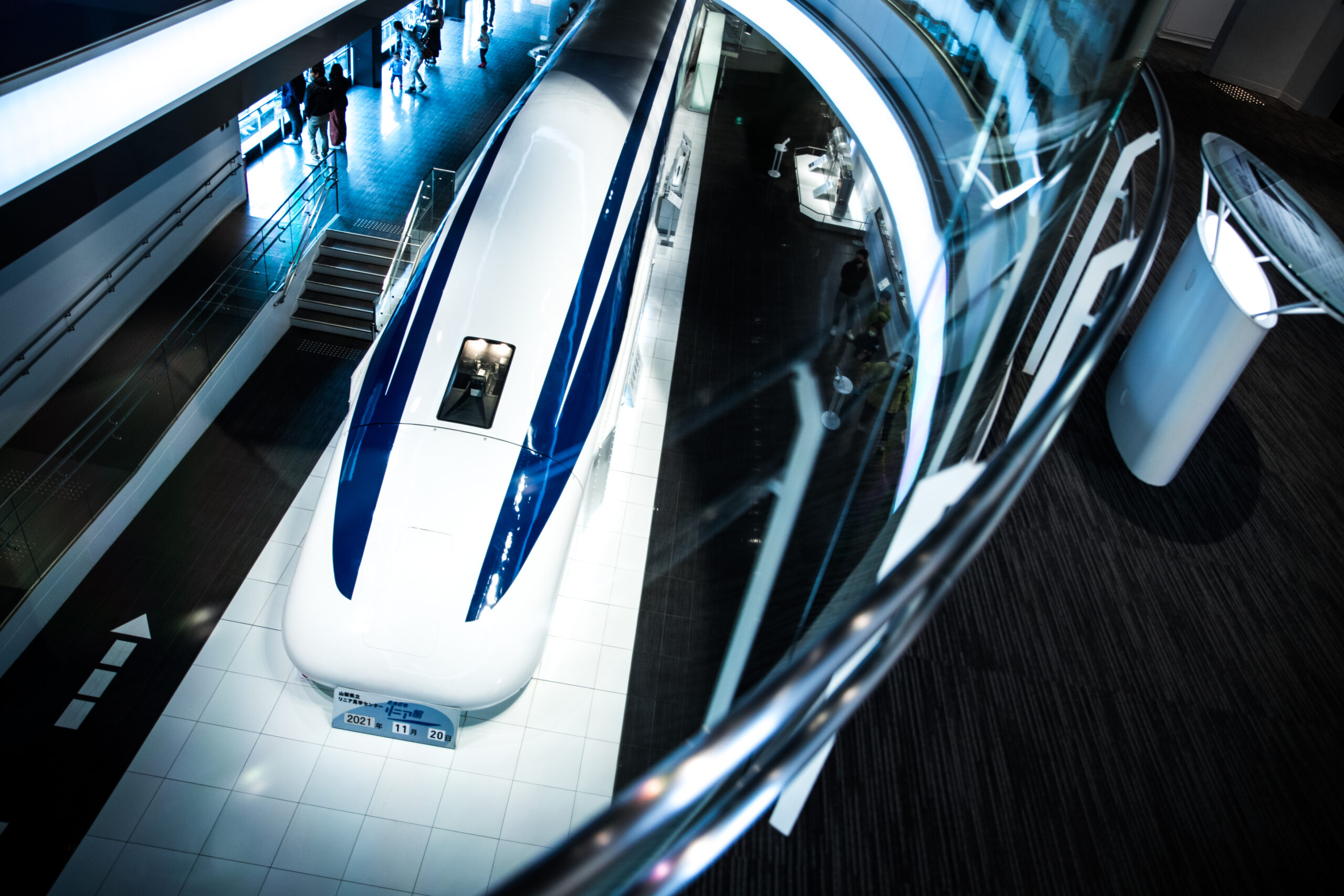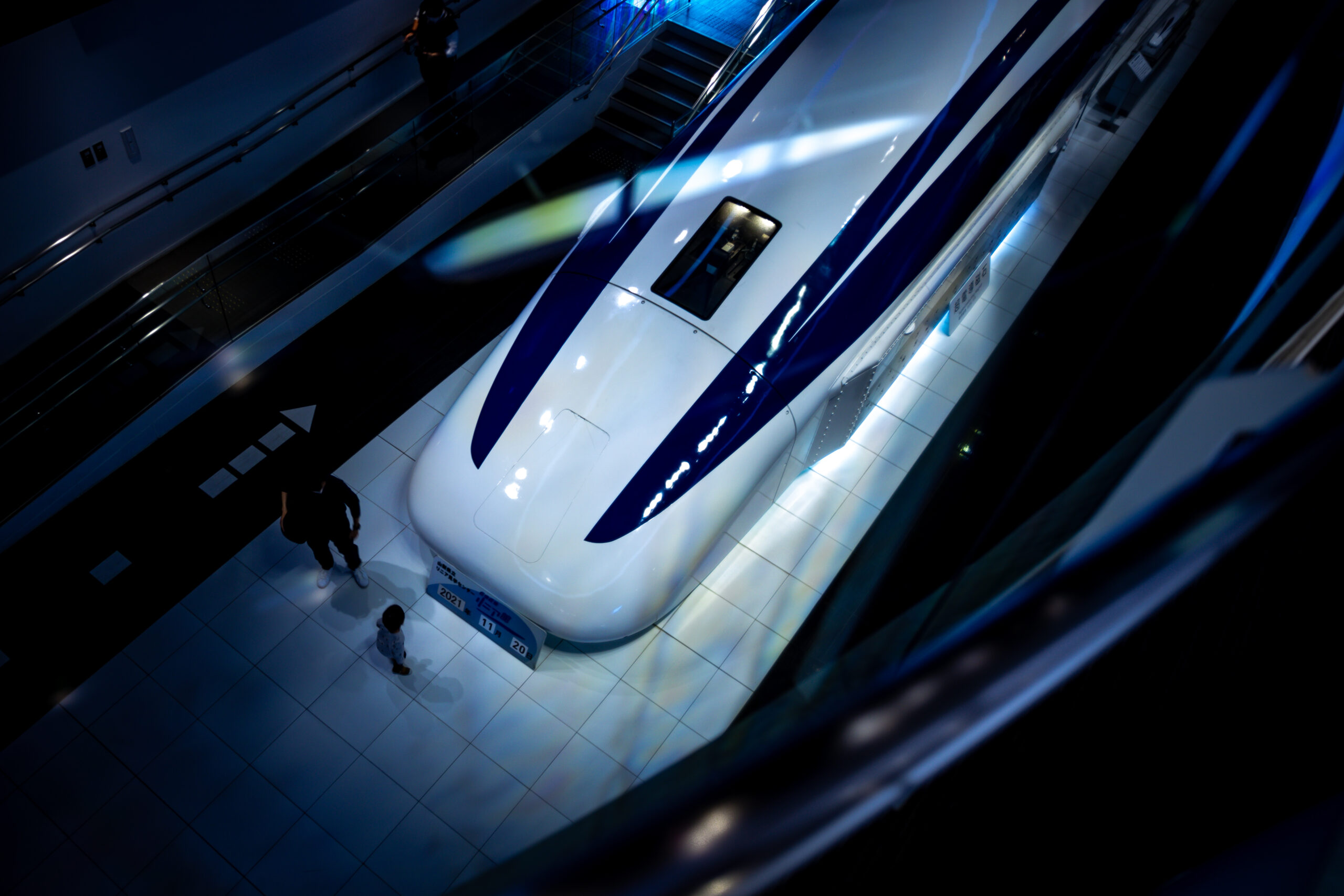
中央新幹線(正式名称:リニア中央新幹線)は、東京(品川)から名古屋・大阪を結ぶ計画の超電導リニア方式による次世代の高速鉄道。
最高時速は約500kmに達し、東京〜名古屋間を最短約40分、東京〜大阪間を約67分で結ぶことを目指している。
現在は品川〜名古屋間(約286km)の建設が進められており、当初は2027年の開業を予定していたが、静岡工区の着工遅れなどにより、開業時期は未定となっている。
この区間の約9割がトンネルで構成され、南アルプスを貫く長大トンネルや都市部の地下工事など、極めて高い技術力が求められる難工事が続いている。
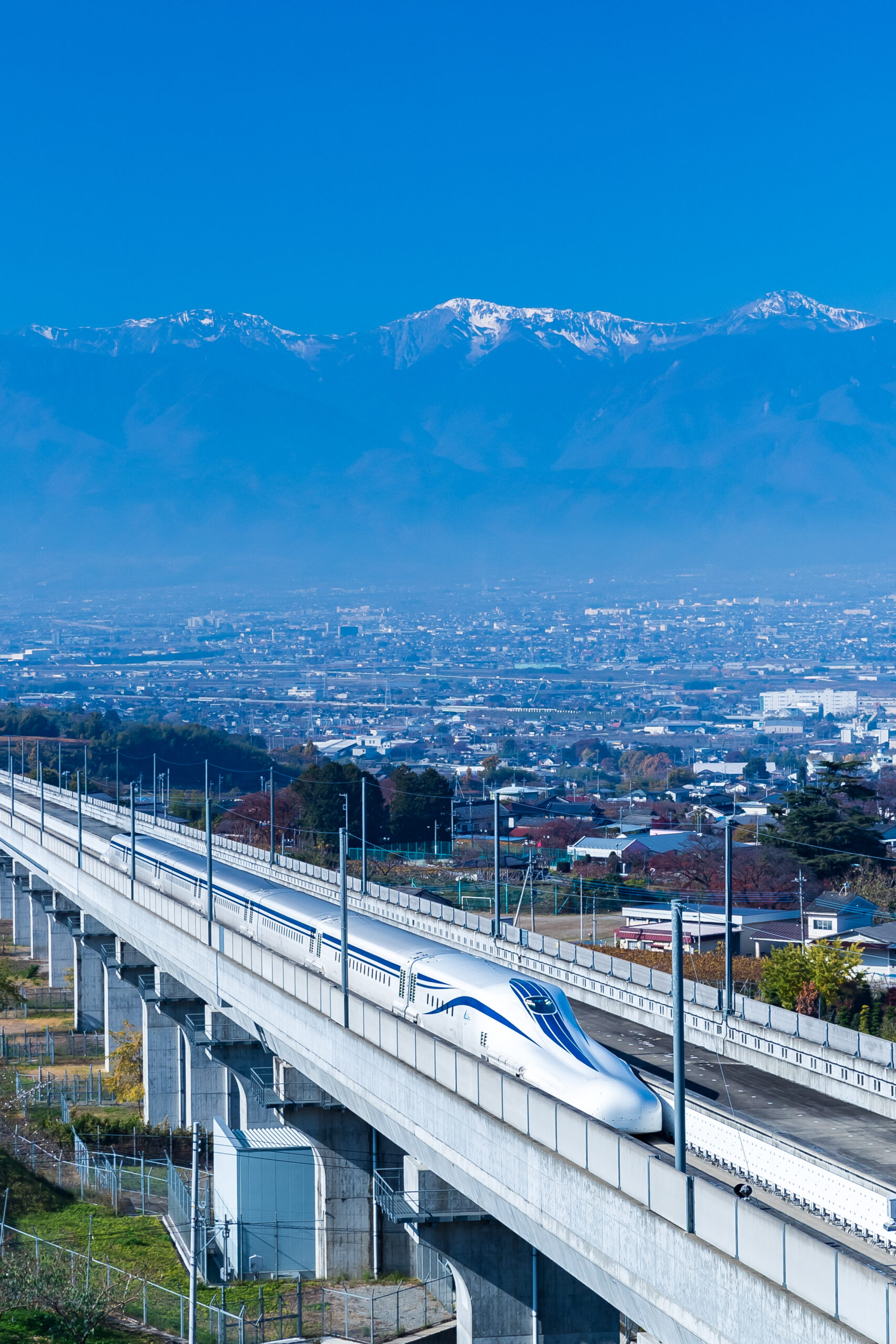
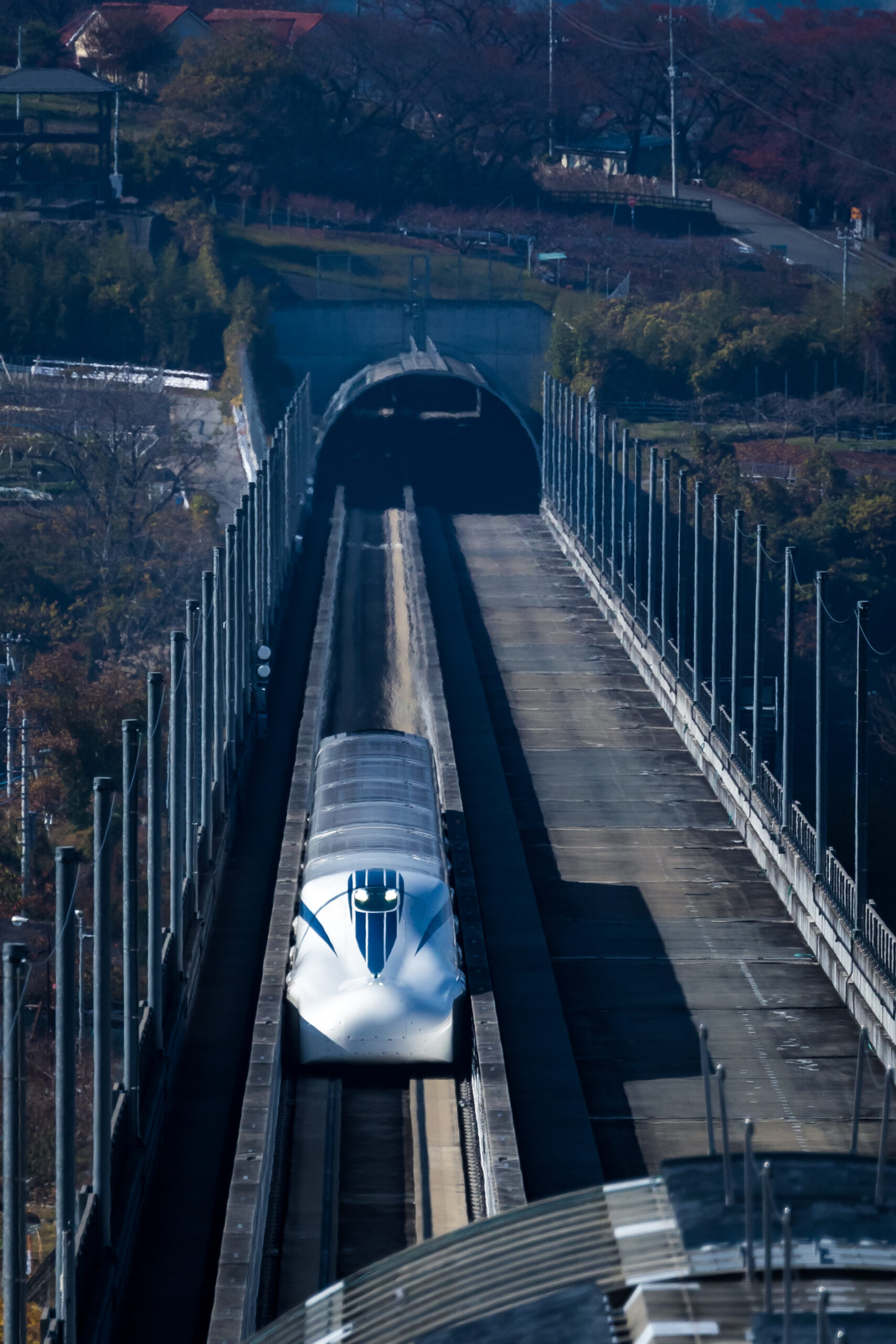
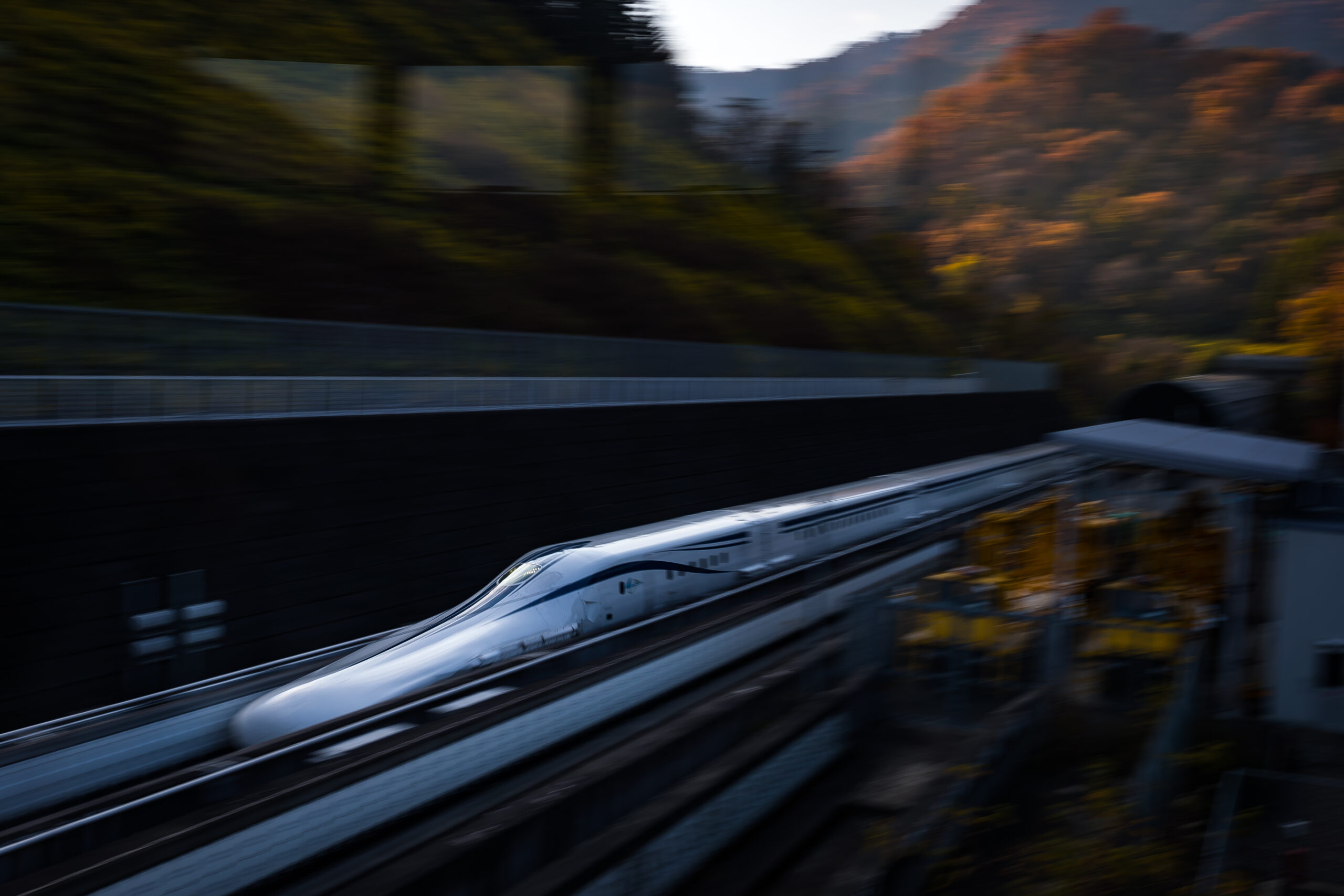
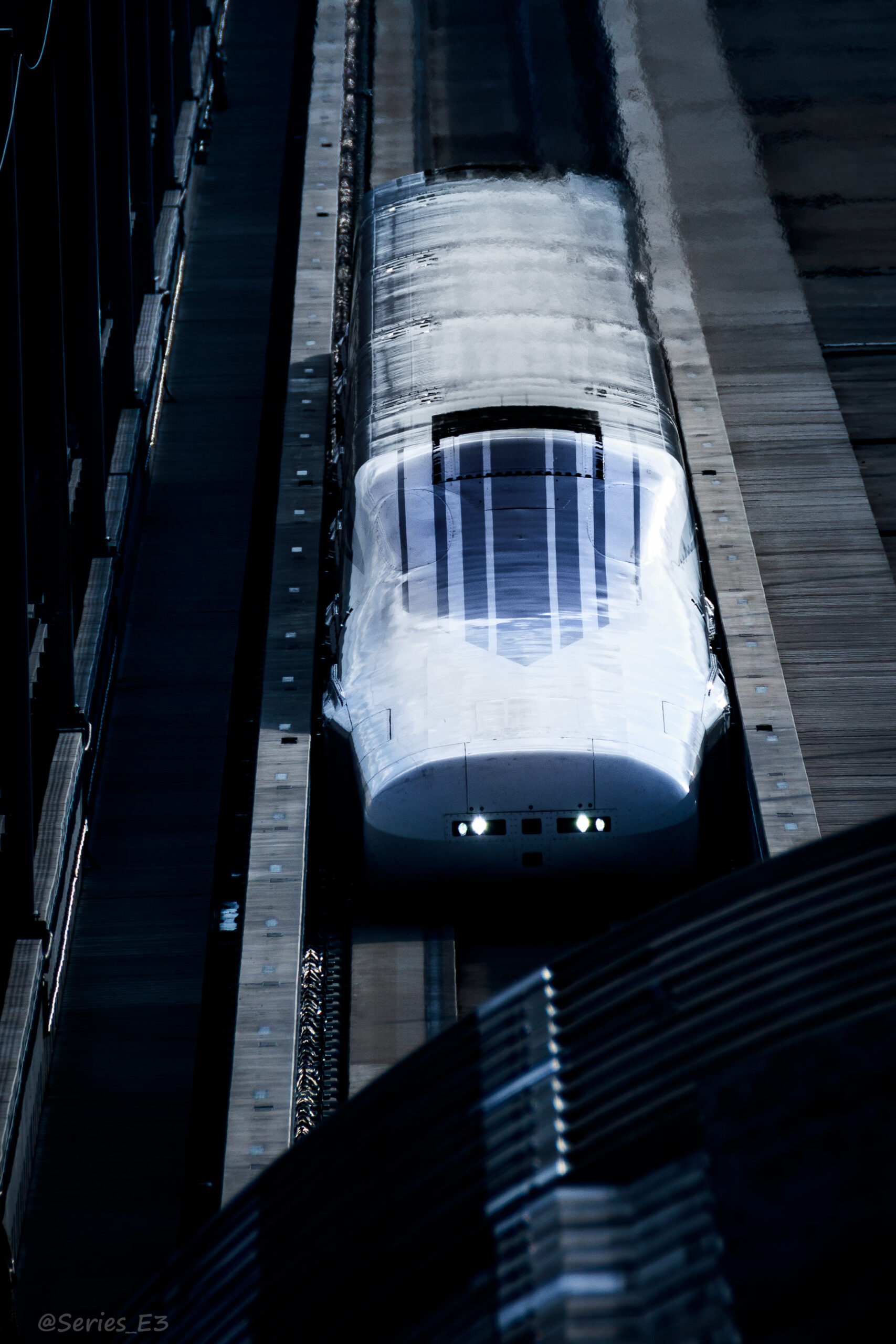
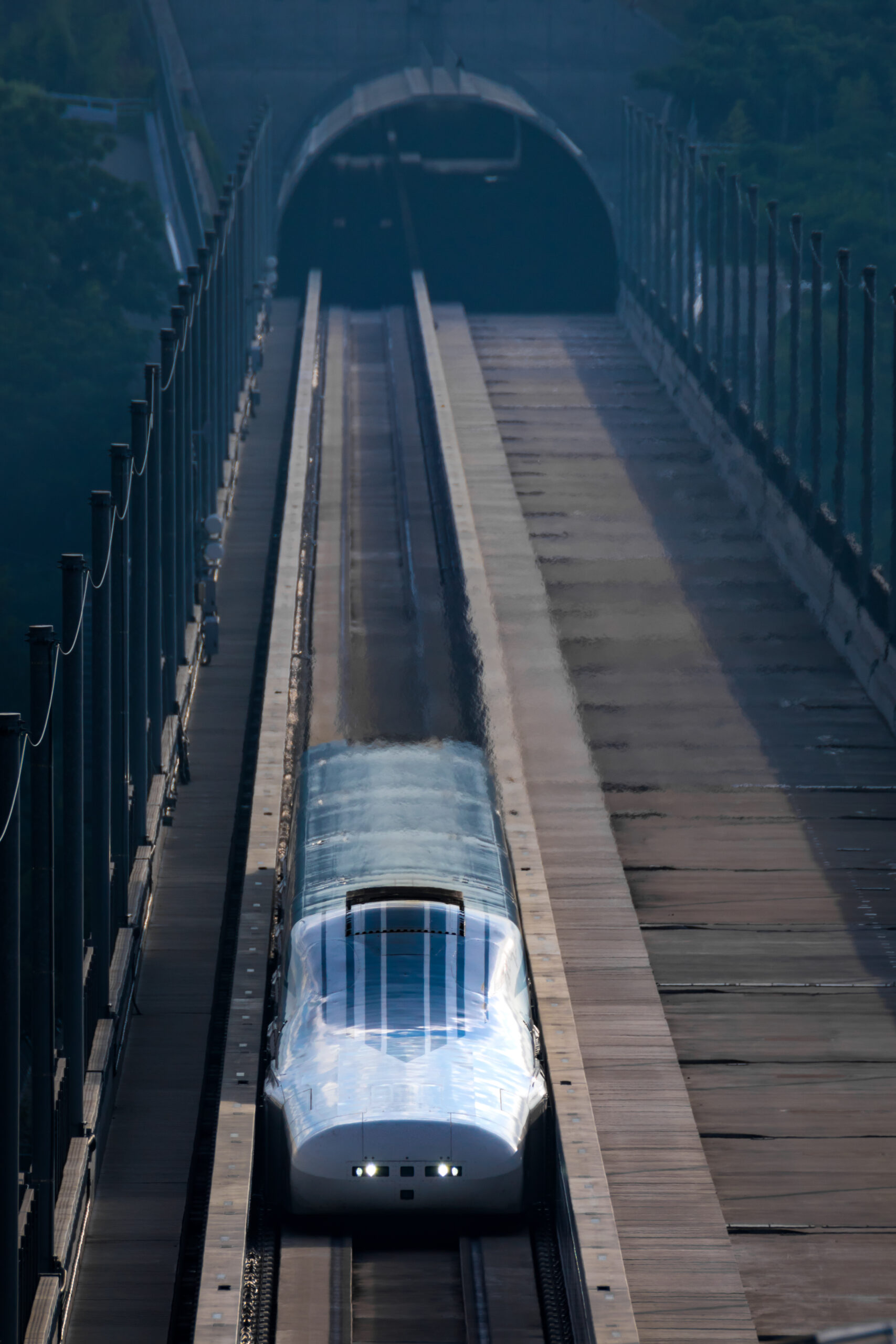
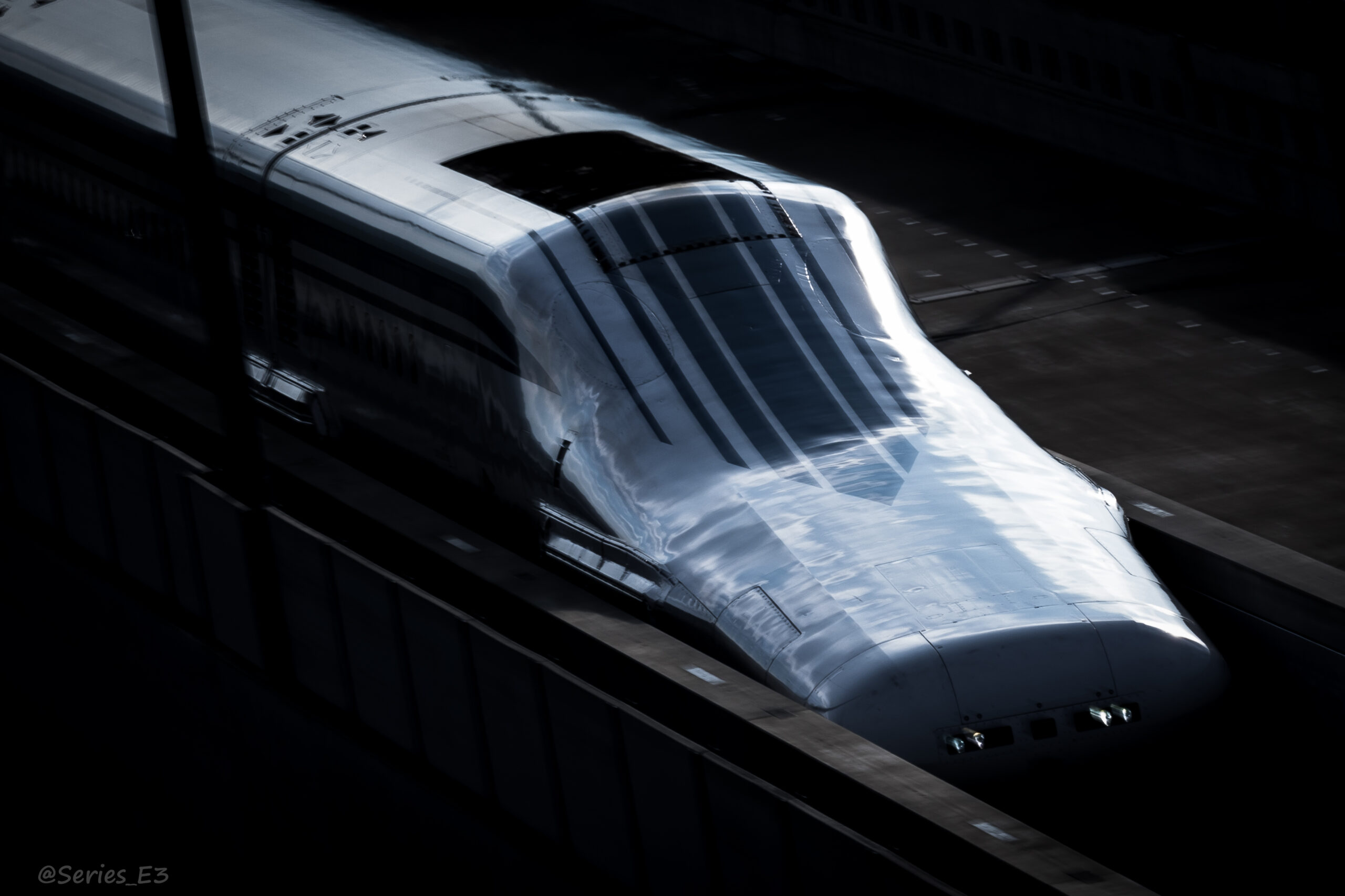
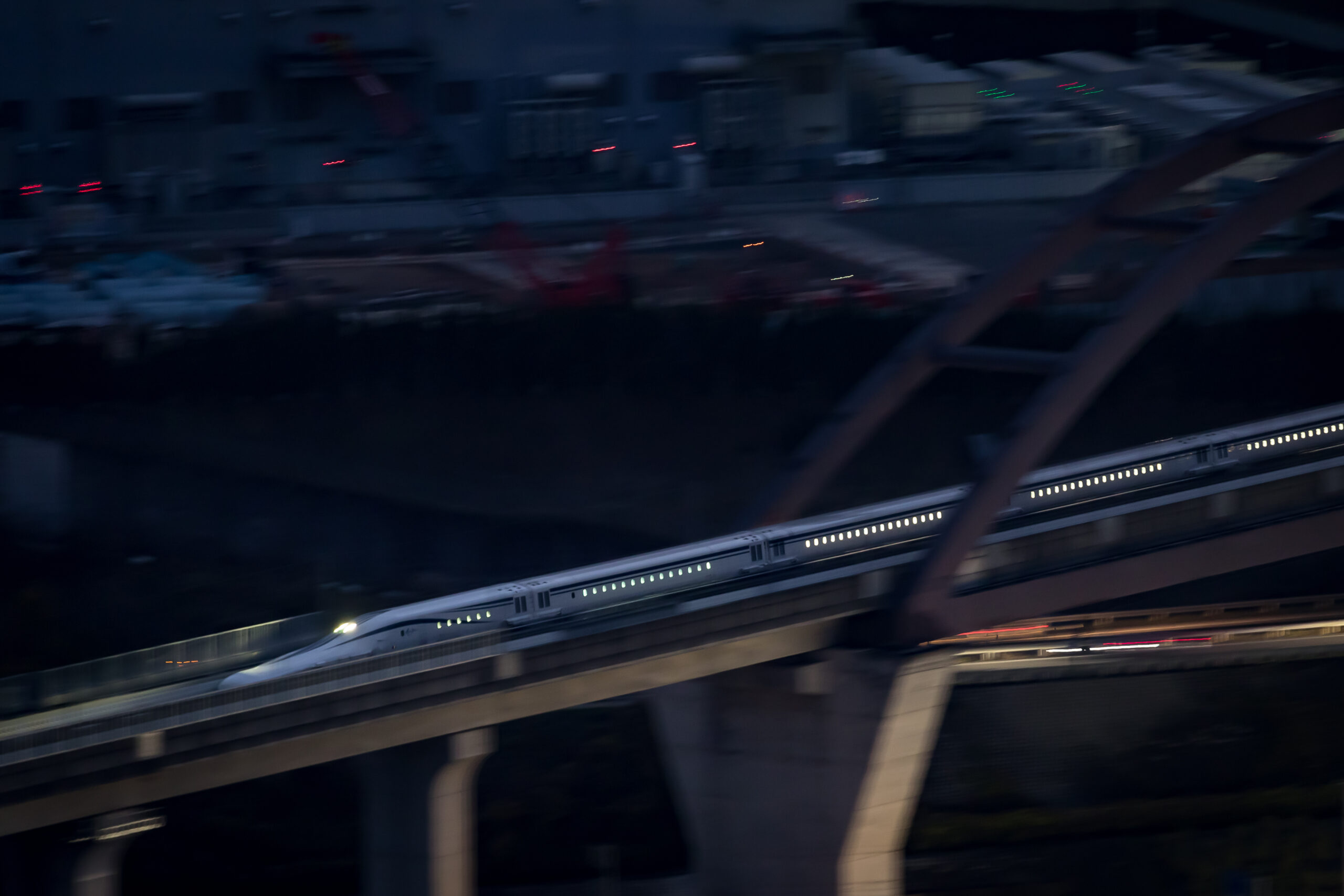
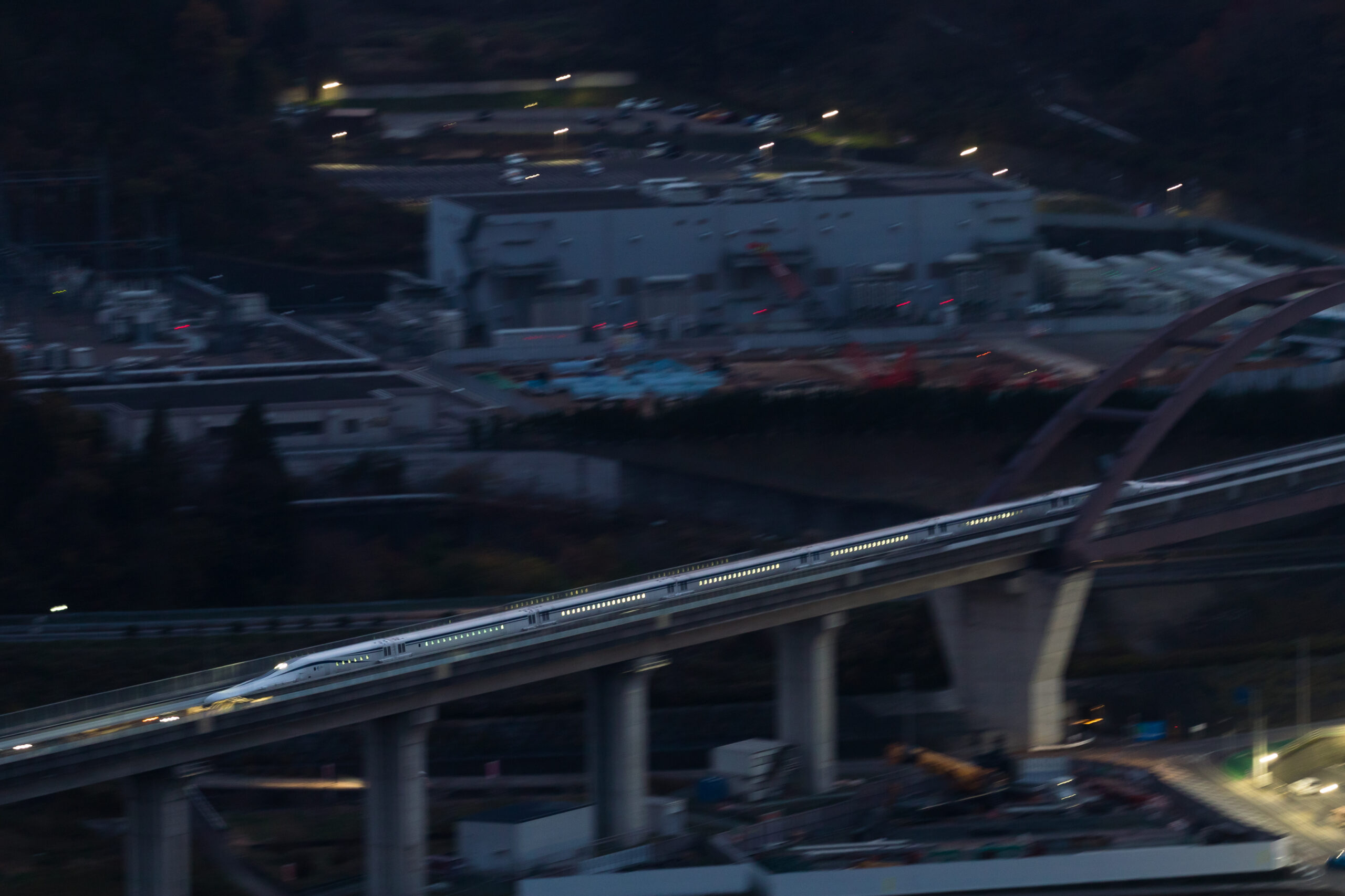
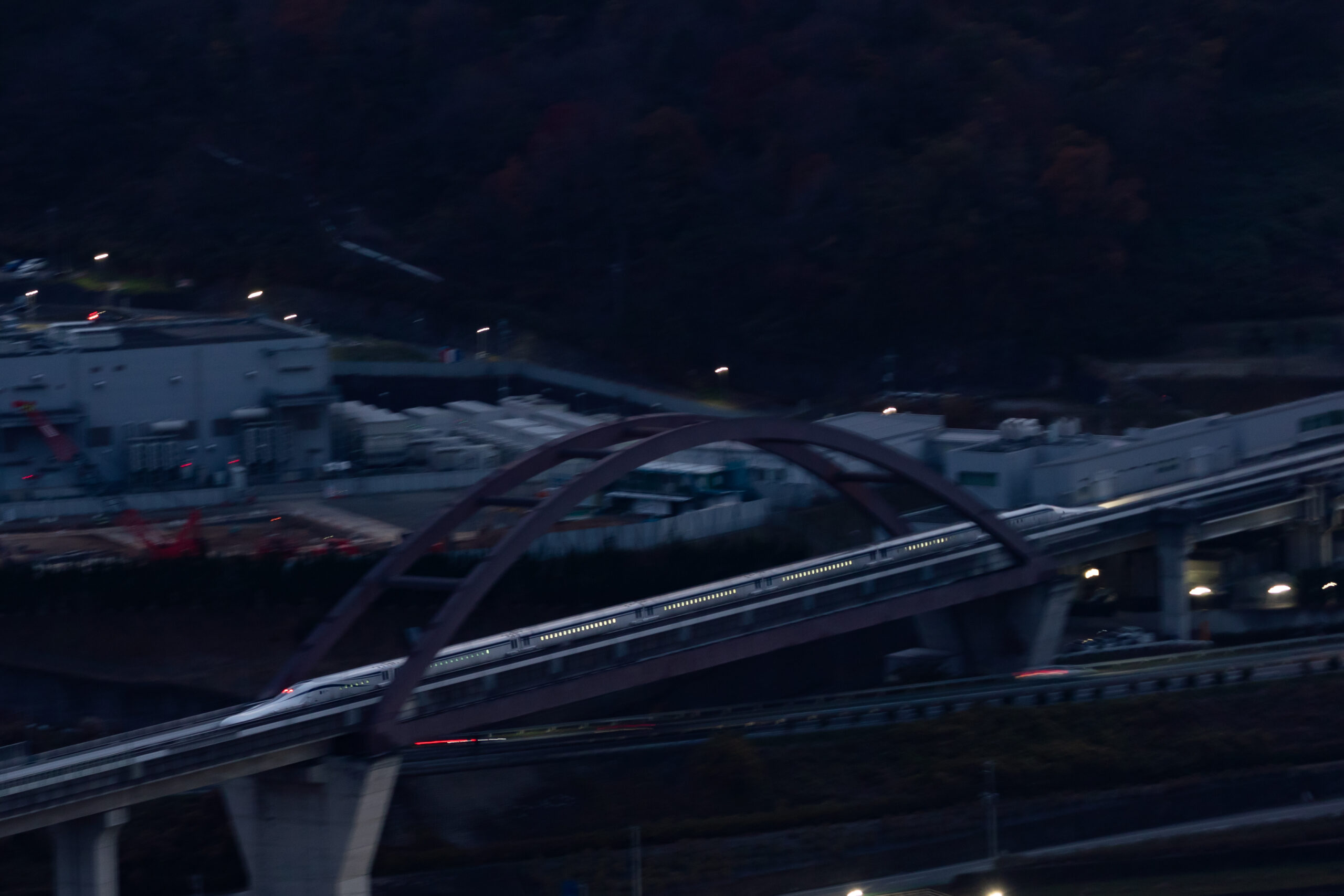
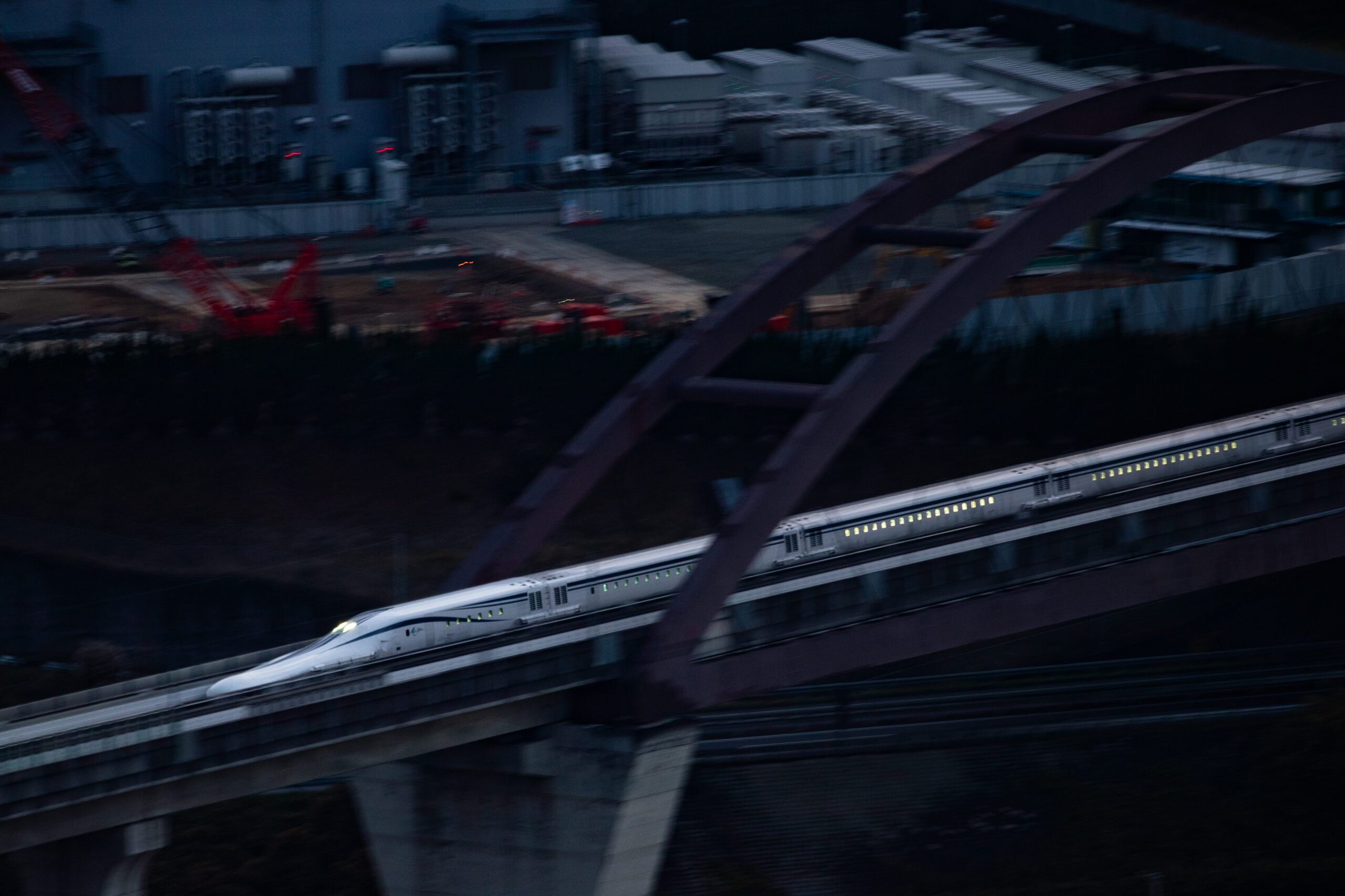
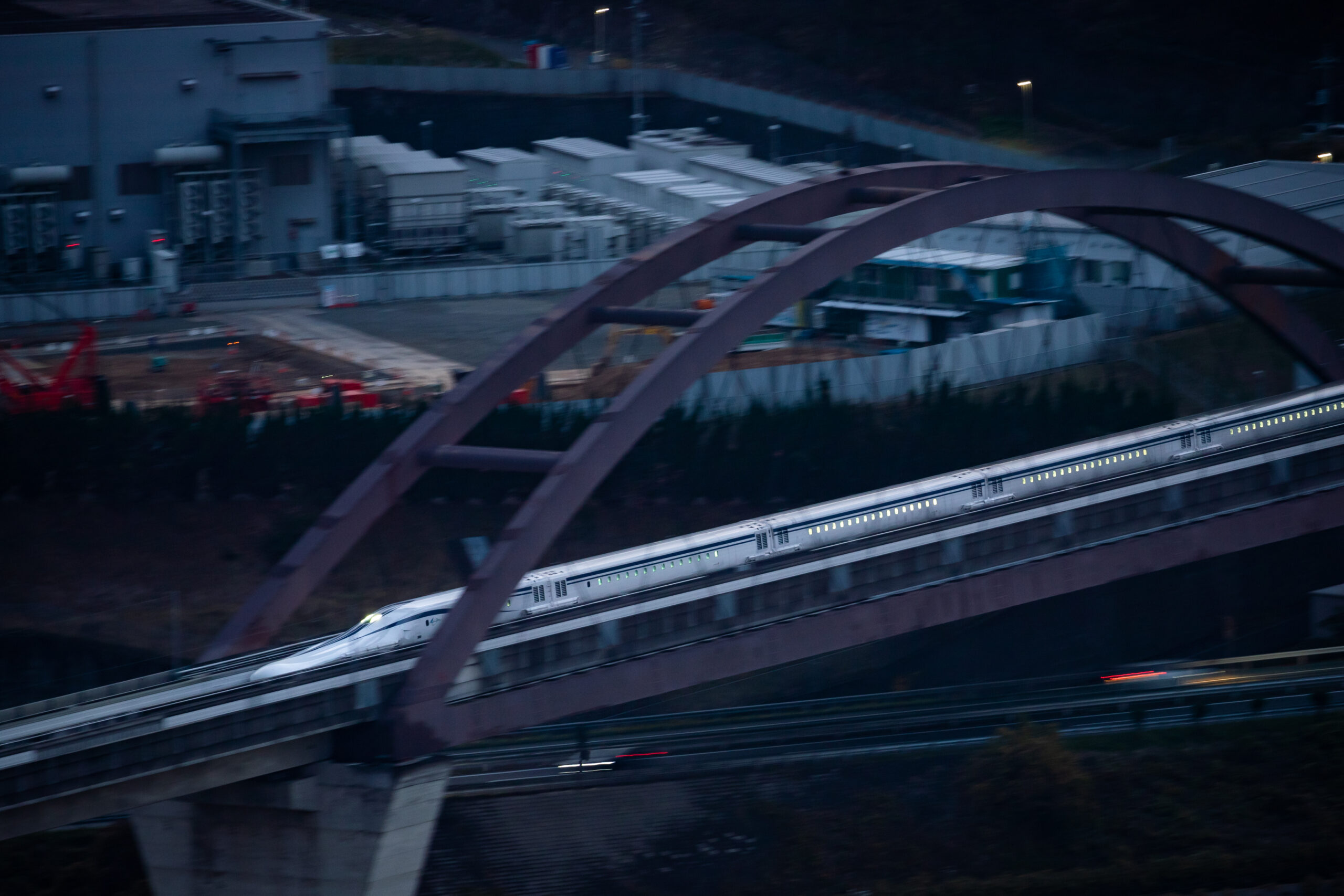
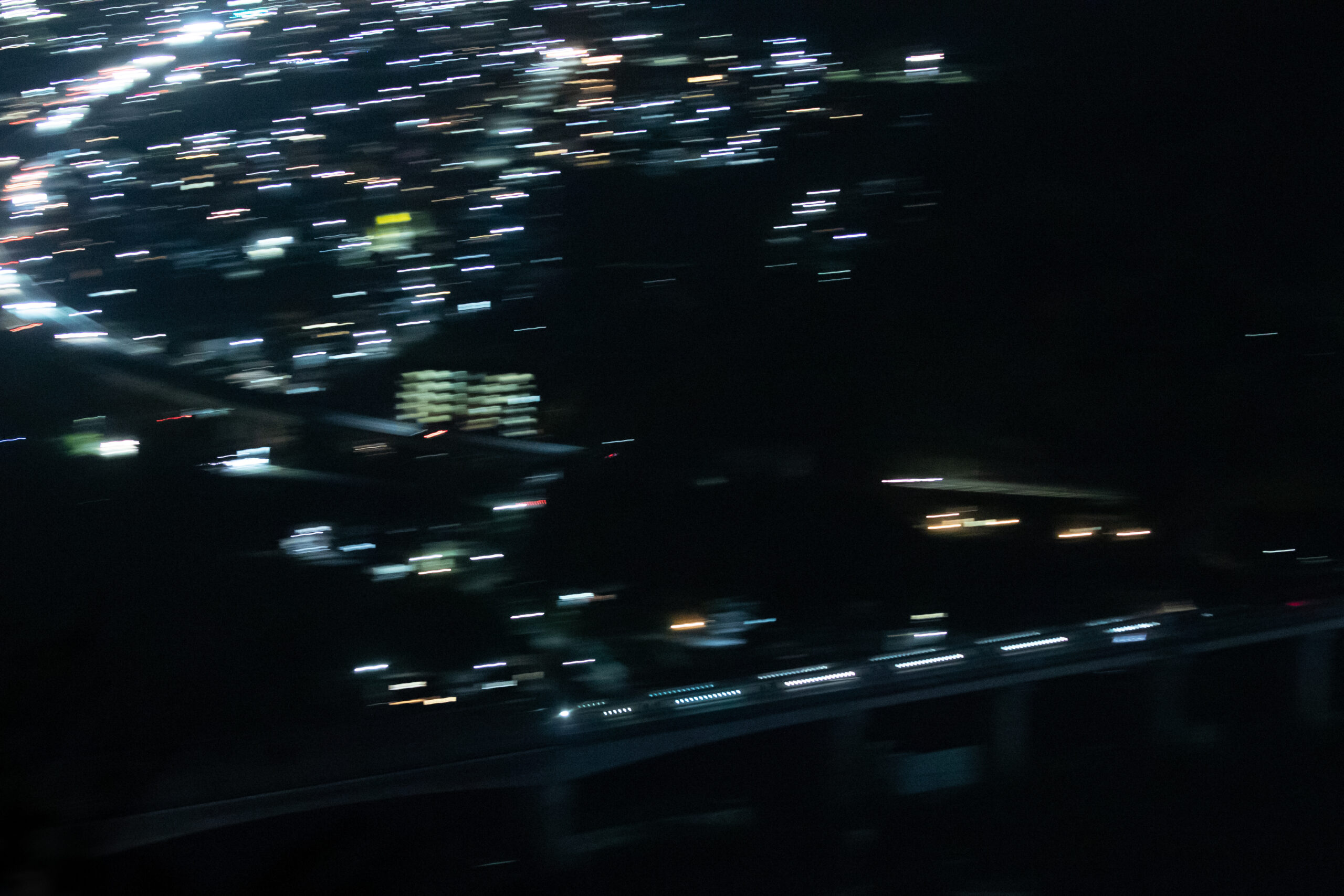
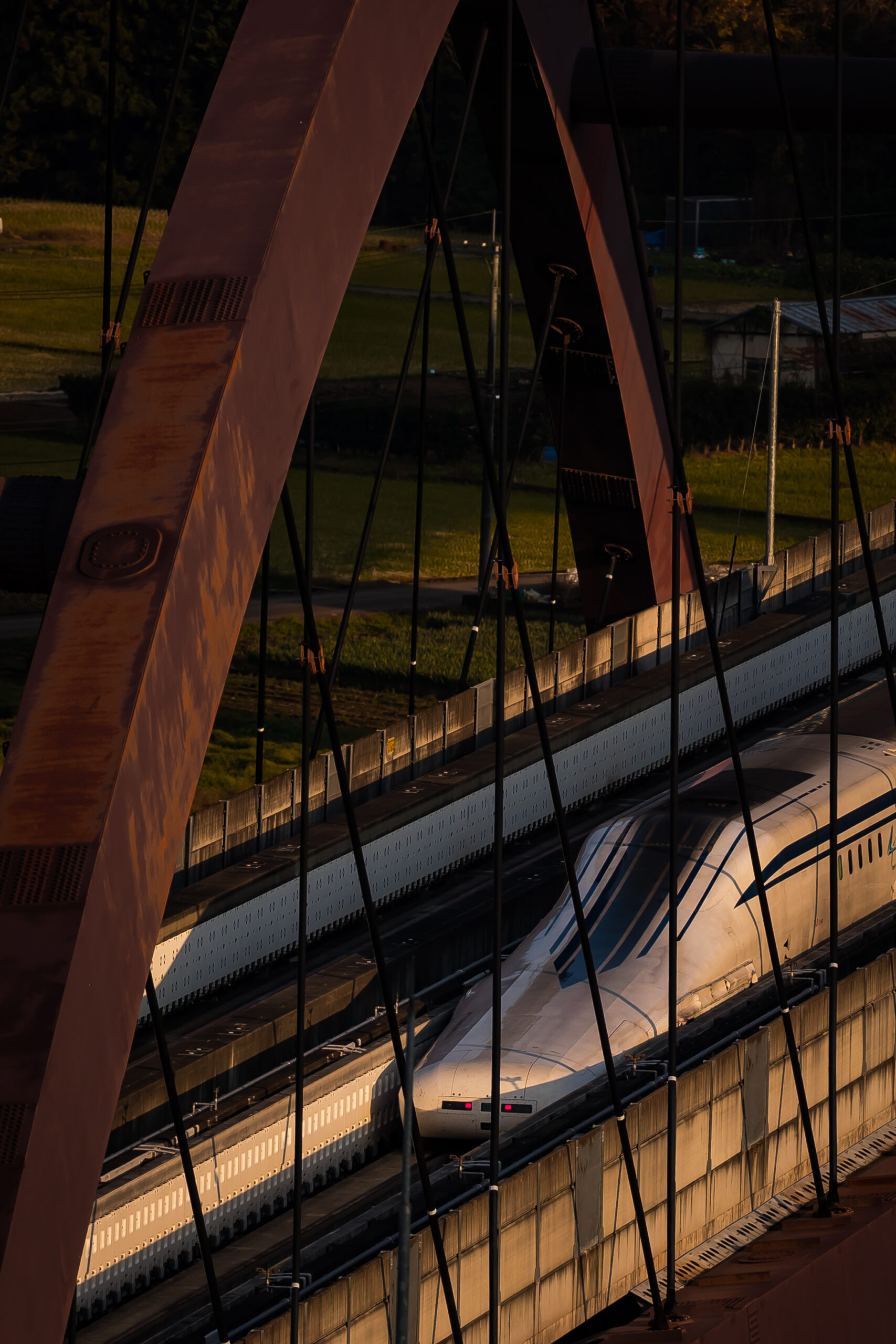
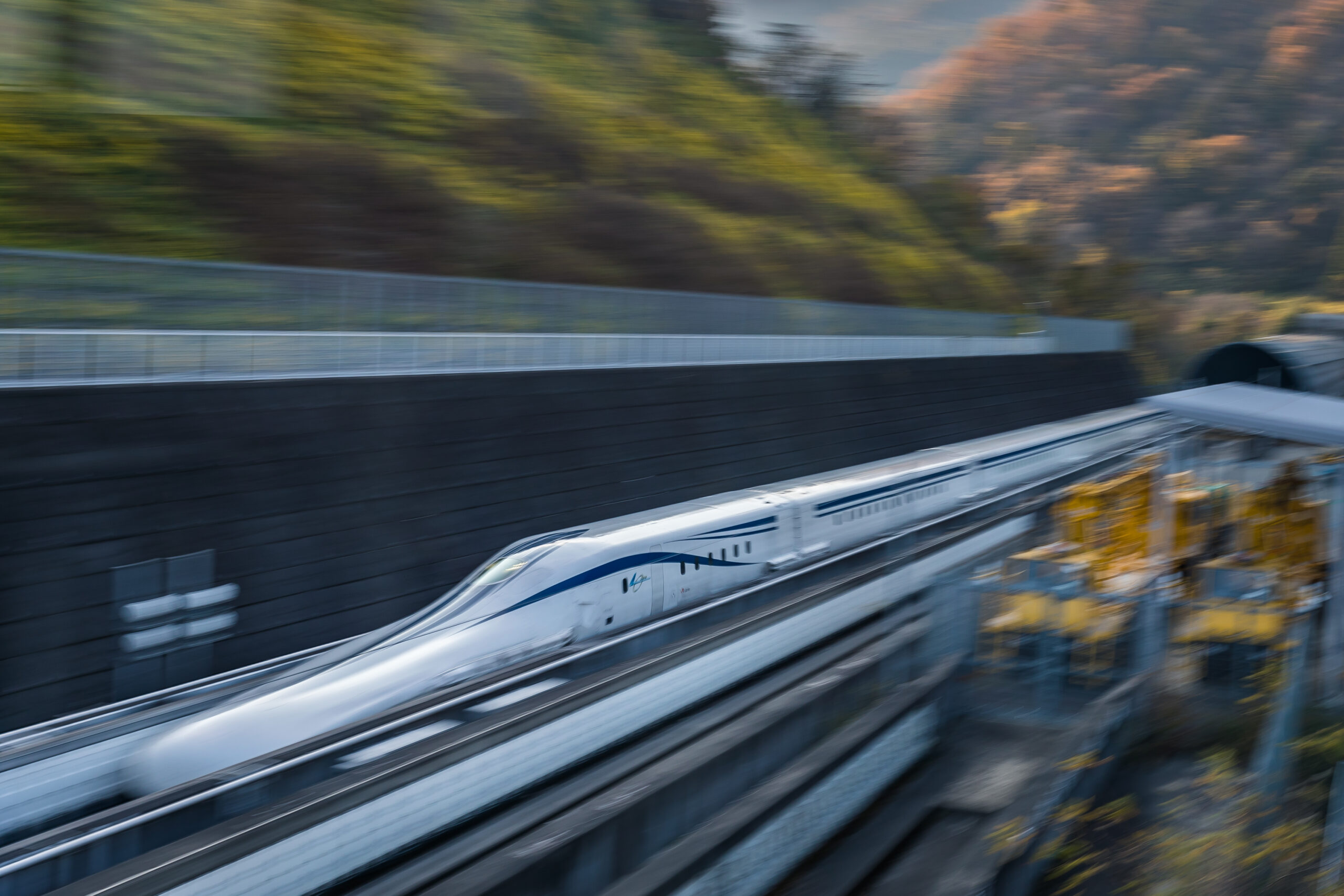
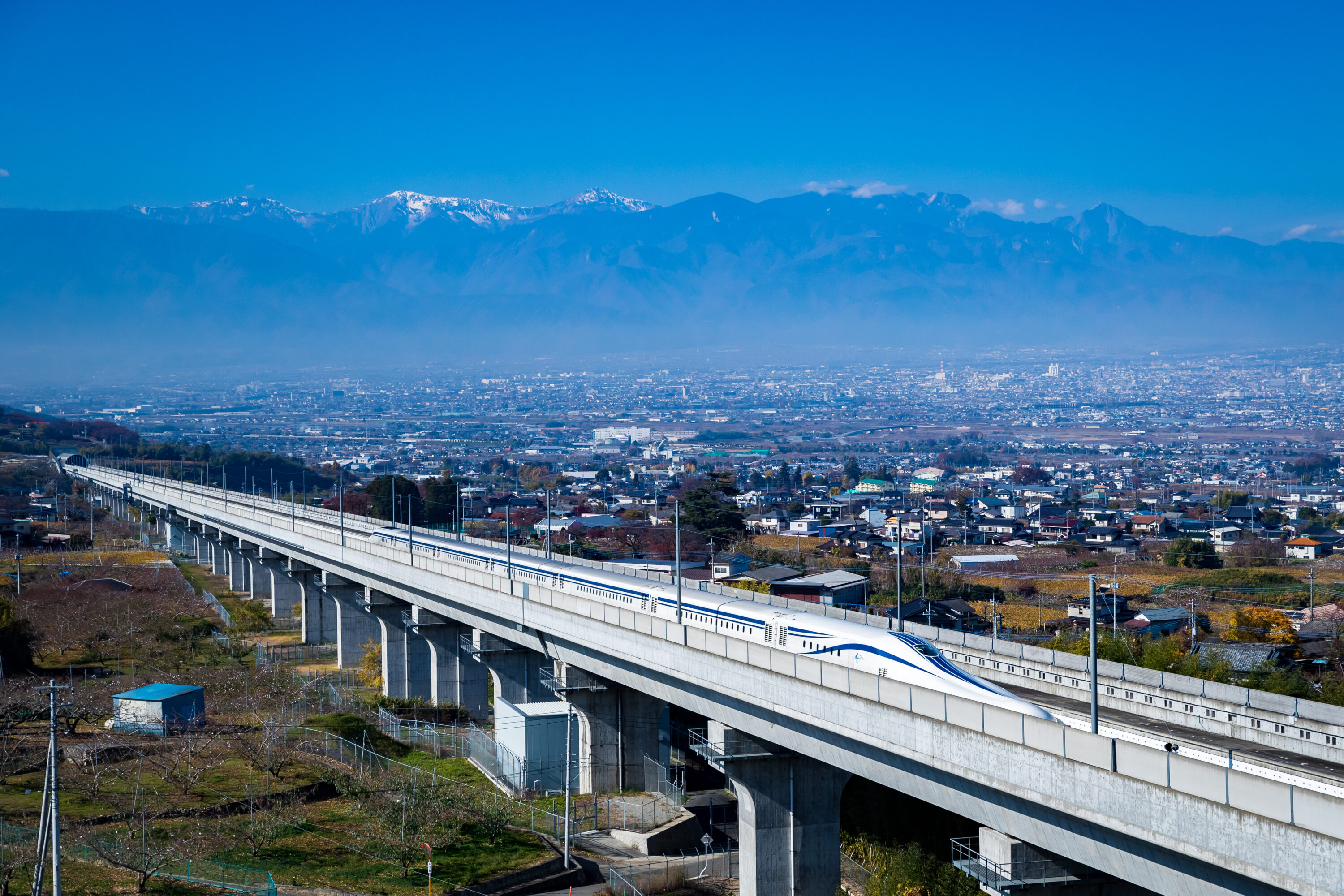
また、中央新幹線の予定ルートの一部は、現在「山梨リニア実験線」として使用されており、走行試験や技術検証が継続的に行われている。
中央新幹線は、東海道新幹線のバイパス機能を担うとともに、首都圏・中京圏・関西圏を結ぶ新たな大動脈として、将来の日本の高速交通を支える基幹インフラとなることが期待されている。
The Chūō Shinkansen (officially the Linear Chūō Shinkansen) is a next-generation high-speed railway planned to connect Tokyo (Shinagawa) with Nagoya and Osaka using superconducting maglev technology.
With a maximum operating speed of approximately 500 km/h, the line aims to link Tokyo and Nagoya in as little as 40 minutes, and Tokyo and Osaka in about 67 minutes.
Currently, construction is underway on the 286 km section between Shinagawa and Nagoya. Although the initial target was to open in 2027, delays in starting construction in the Shizuoka section have left the opening date uncertain.
Approximately 90% of this section consists of tunnels, including long tunnels through the Southern Japanese Alps and underground segments in urban areas, making it a technically demanding project.
Part of the planned route is currently being used as the Yamanashi Maglev Test Line, where running tests and technical verifications are ongoing.
The Chūō Shinkansen is expected to serve not only as a bypass for the Tōkaidō Shinkansen but also as a new major artery connecting the Tokyo, Chūkyō, and Kansai metropolitan areas, forming a core infrastructure for Japan’s future high-speed transportation network.