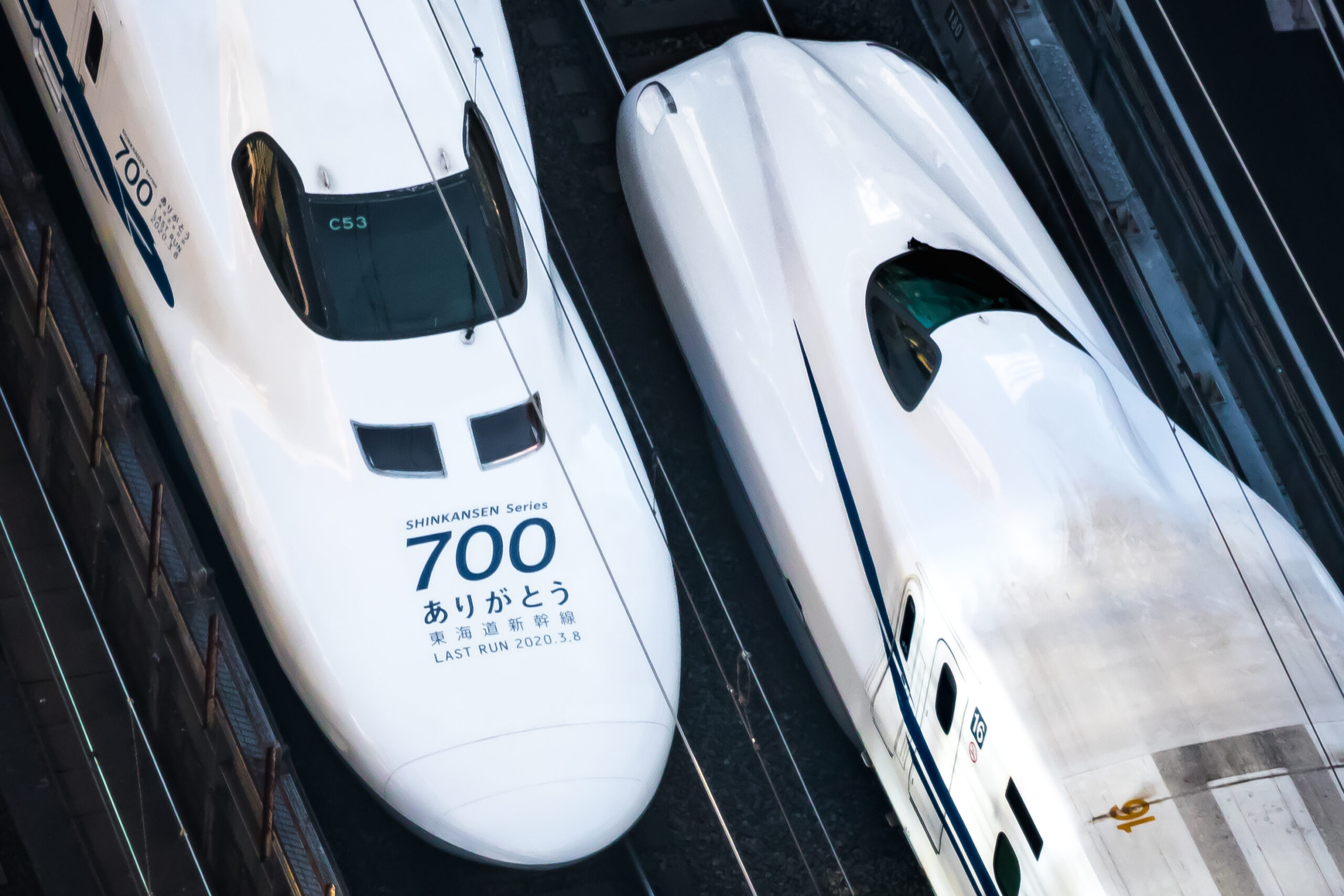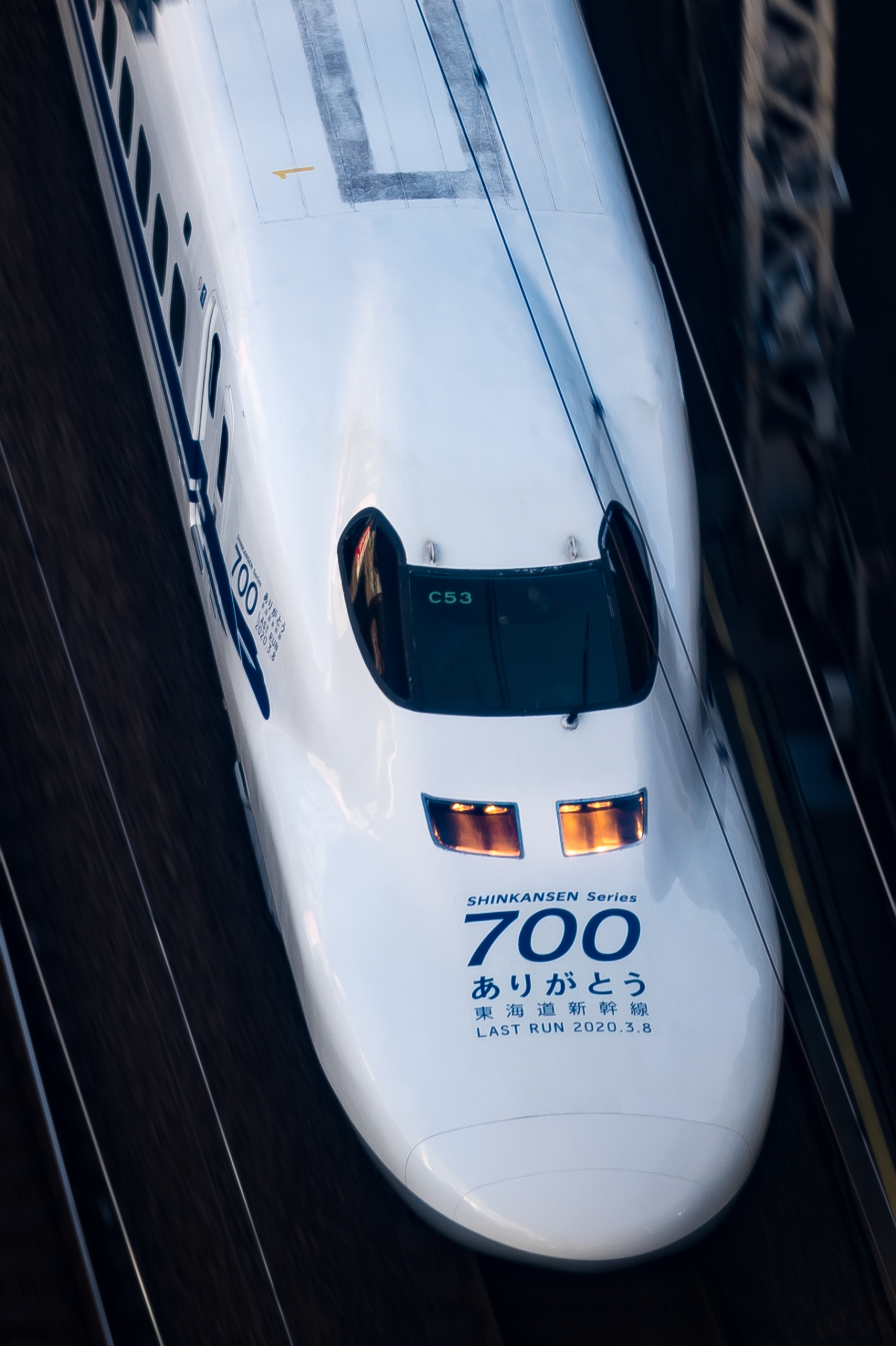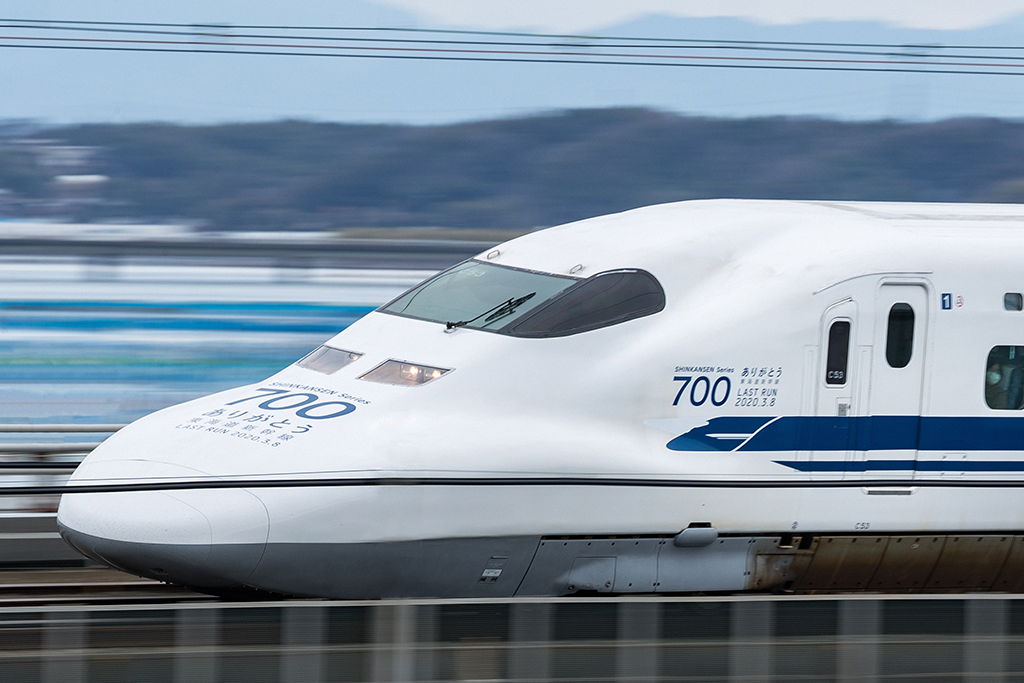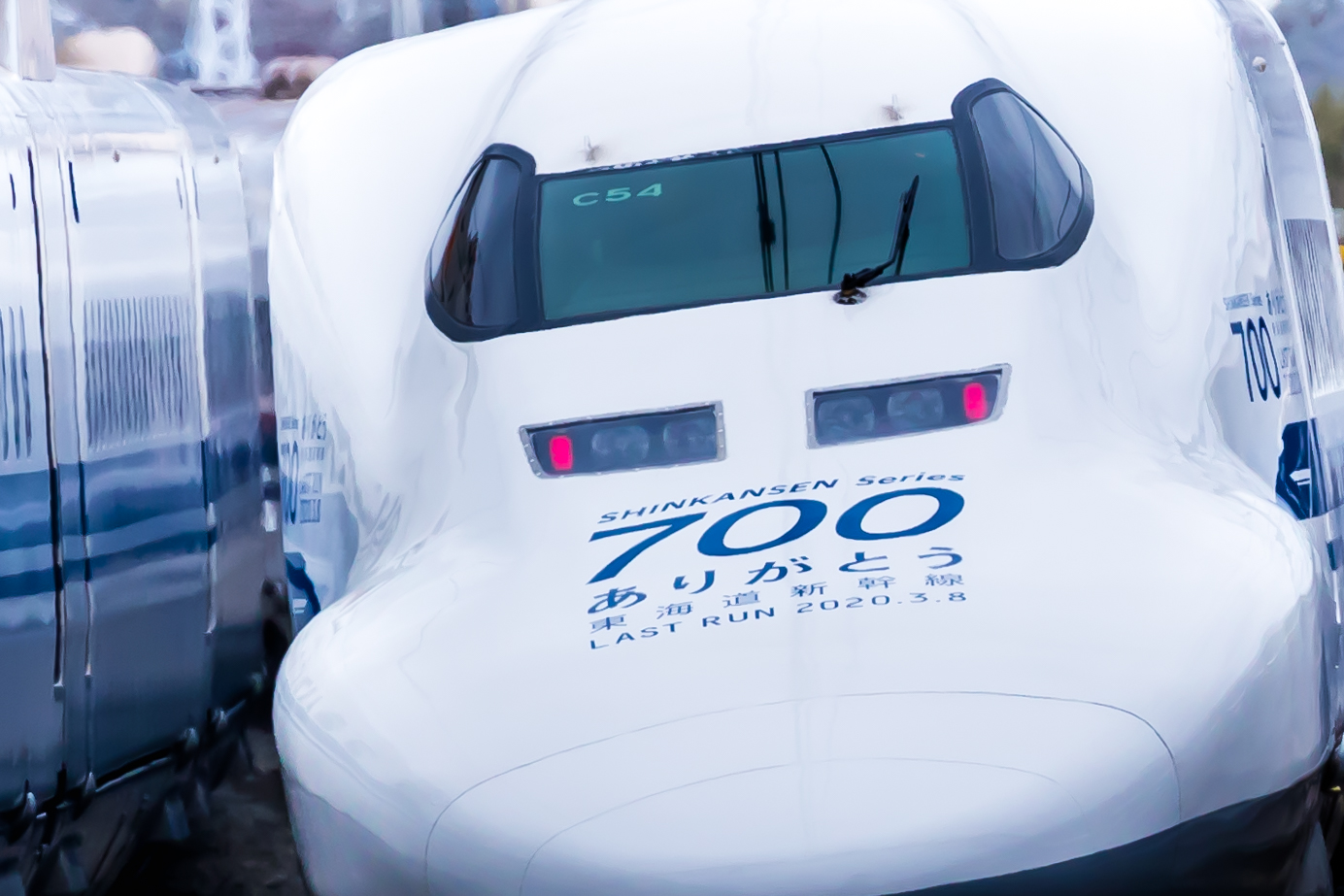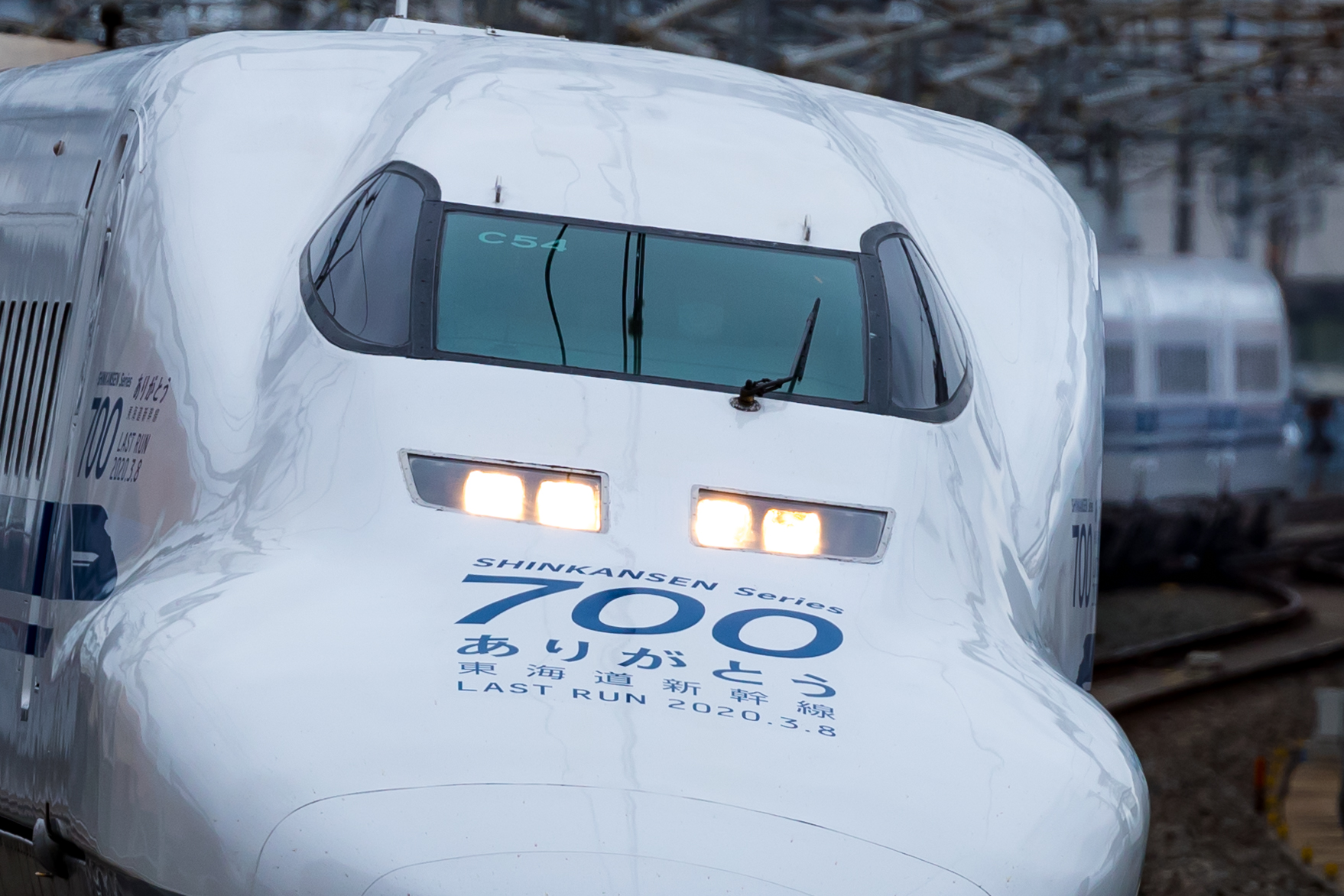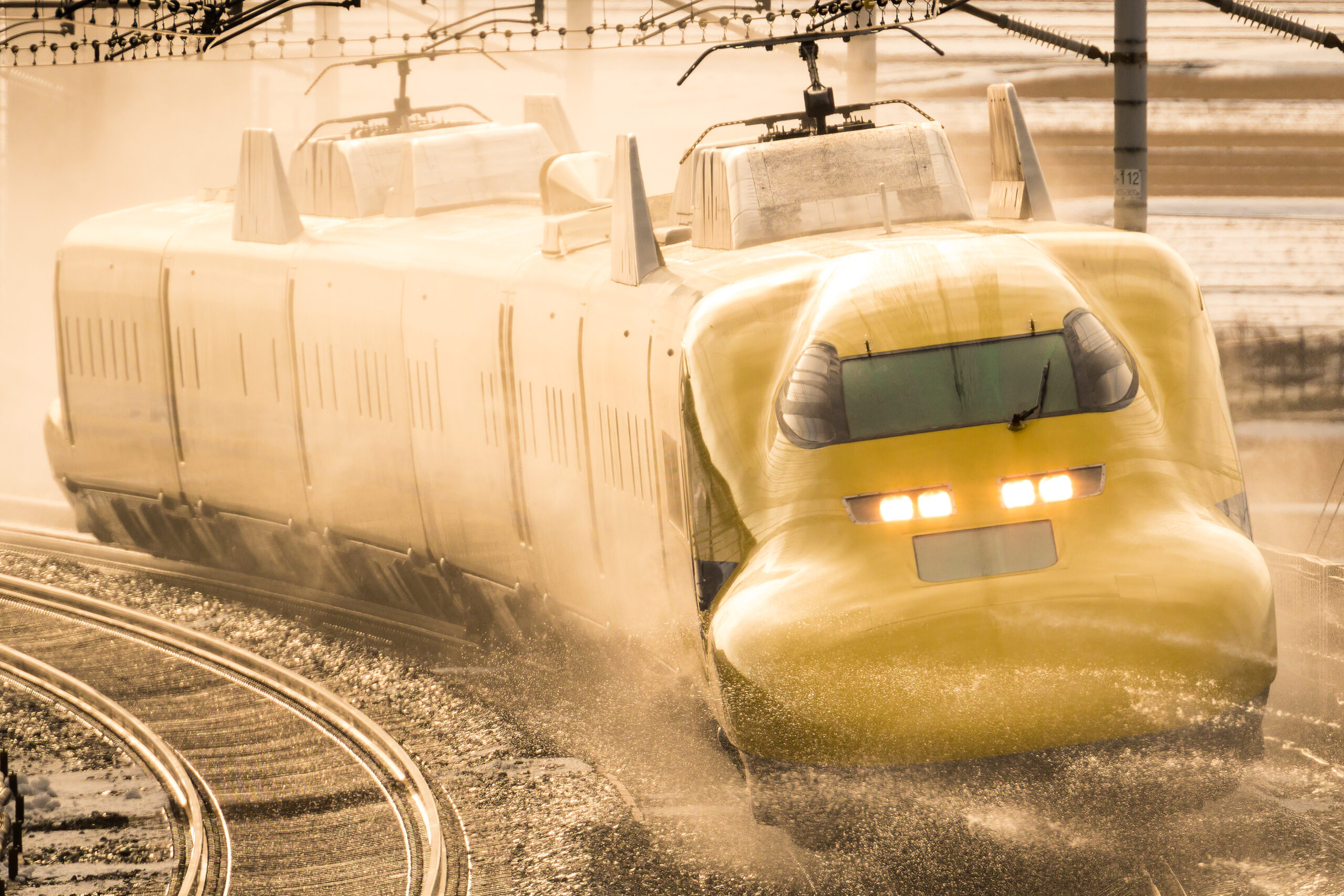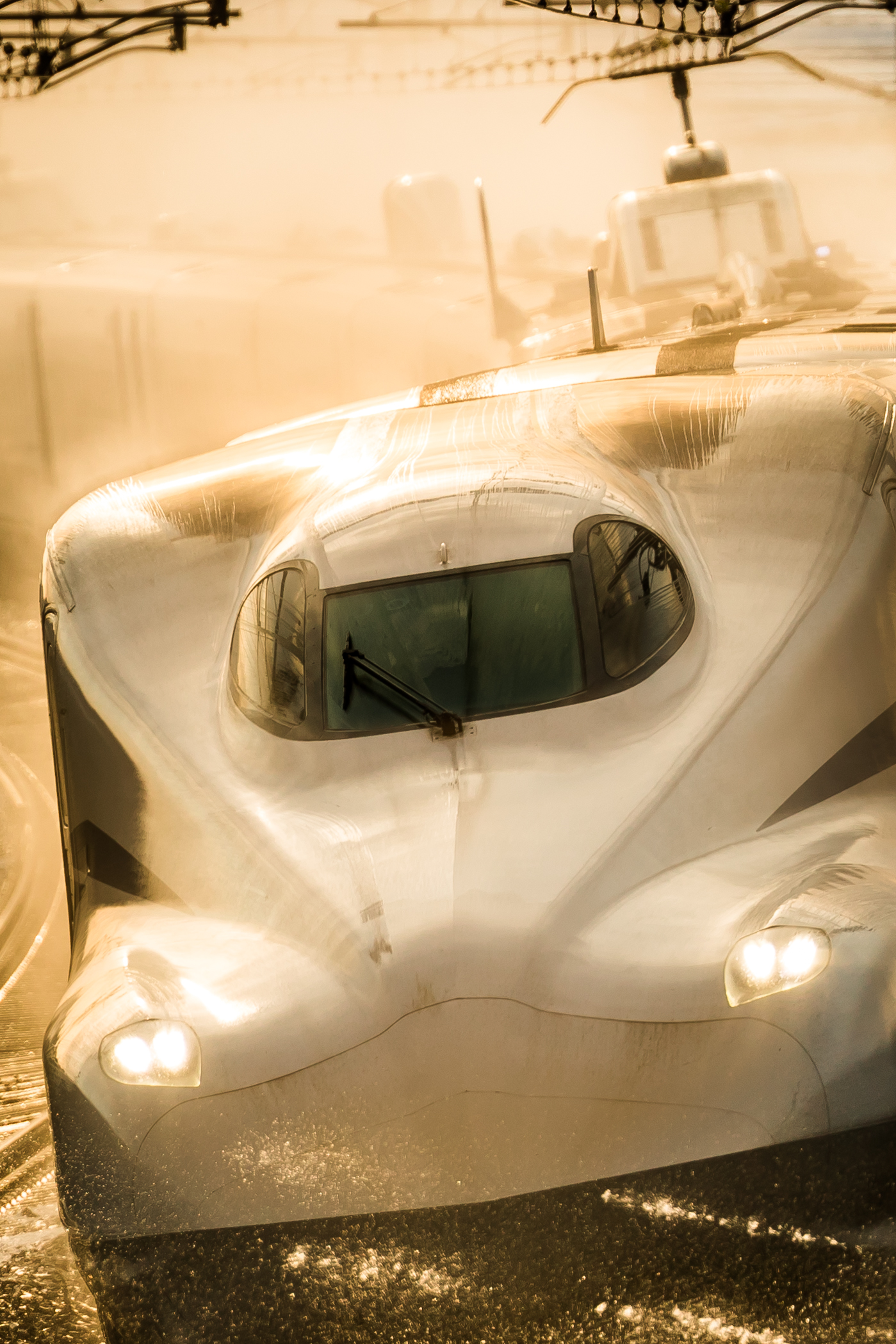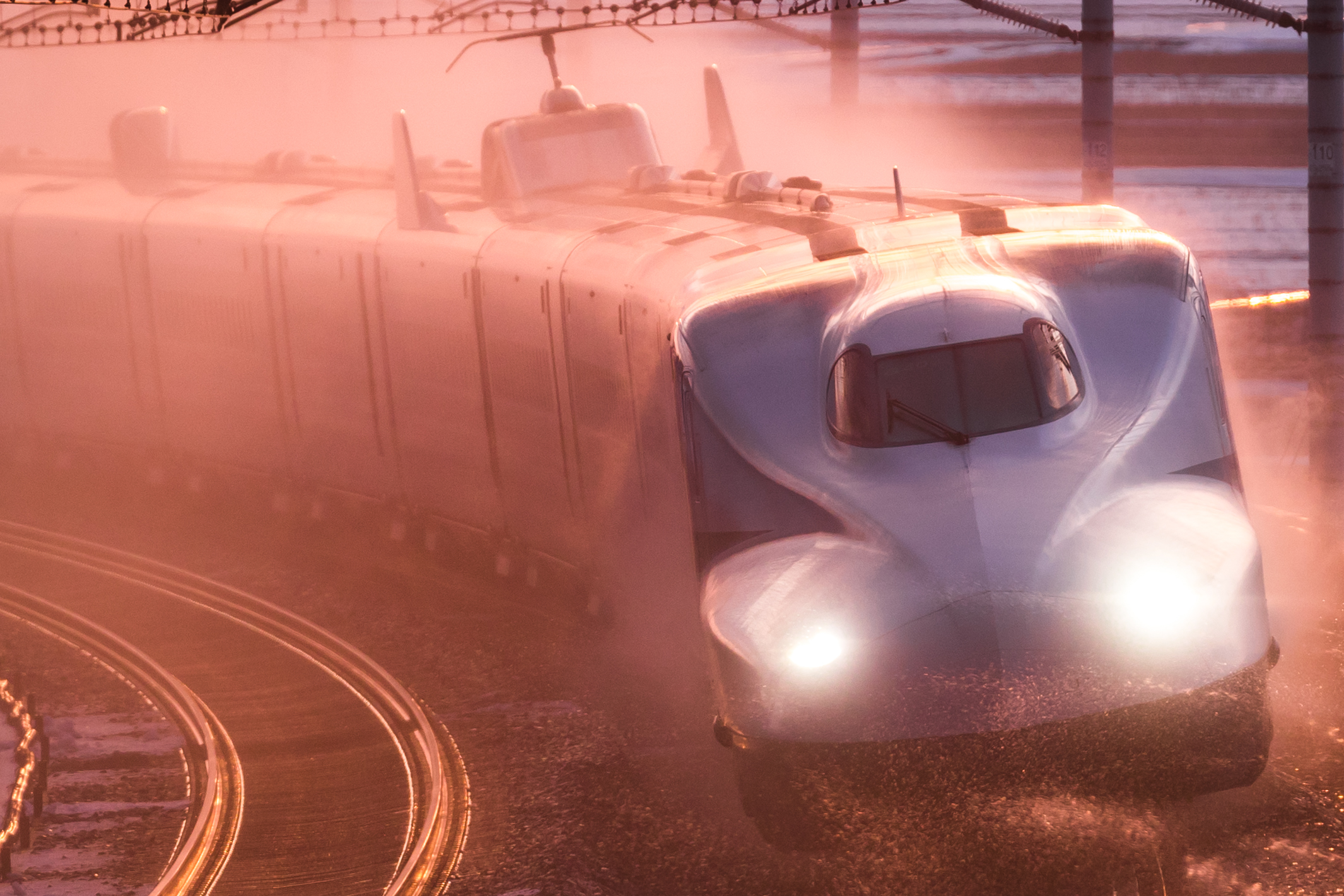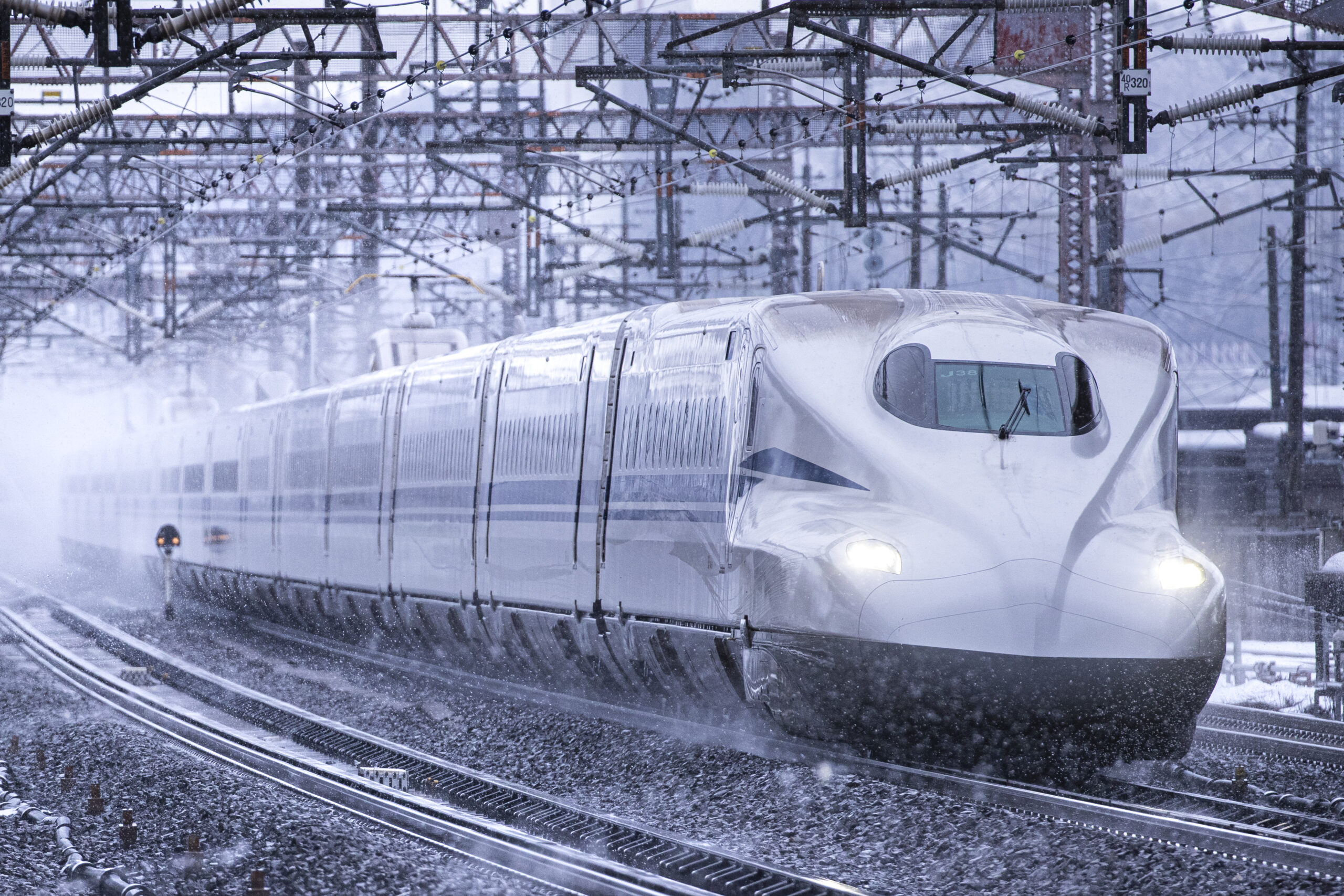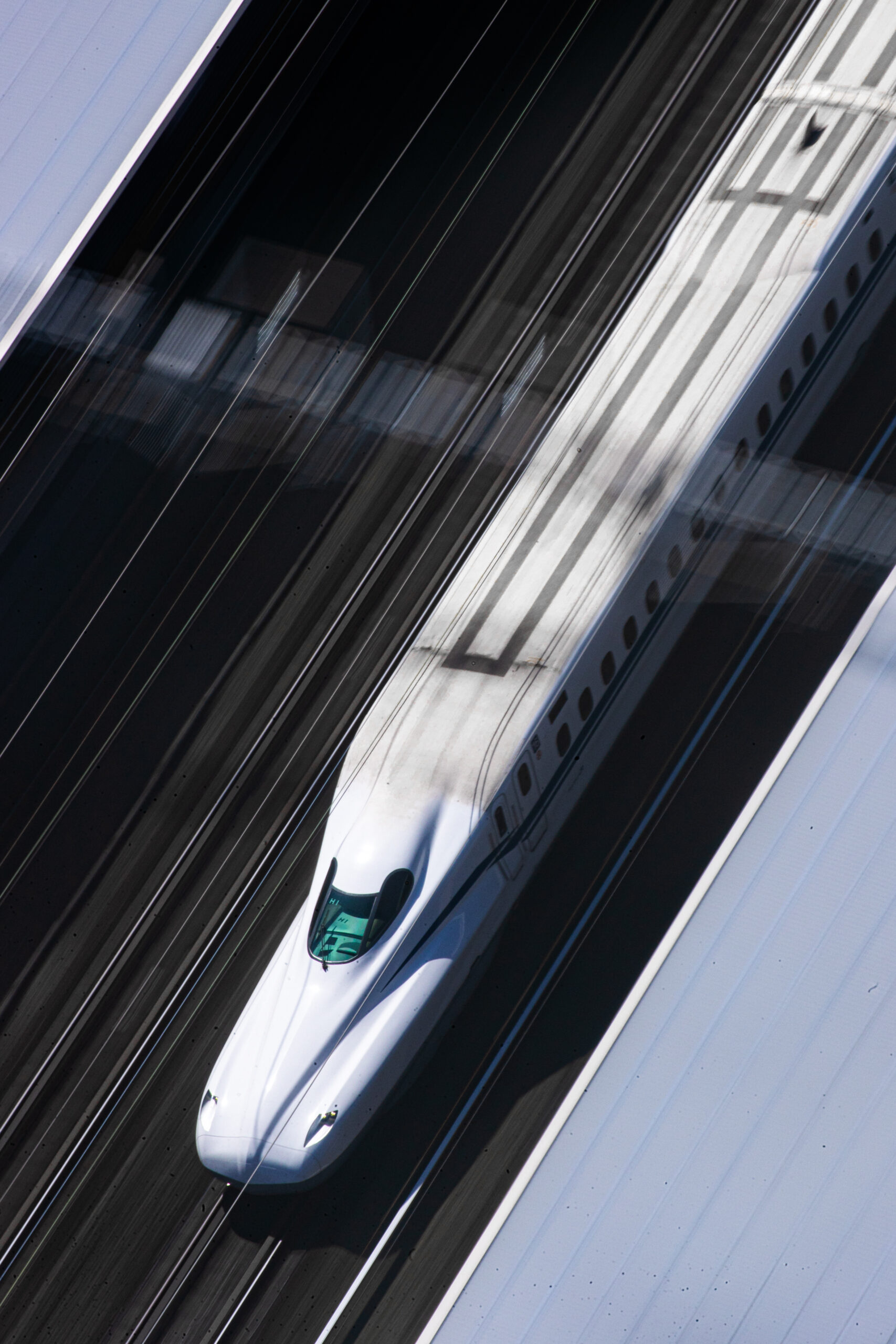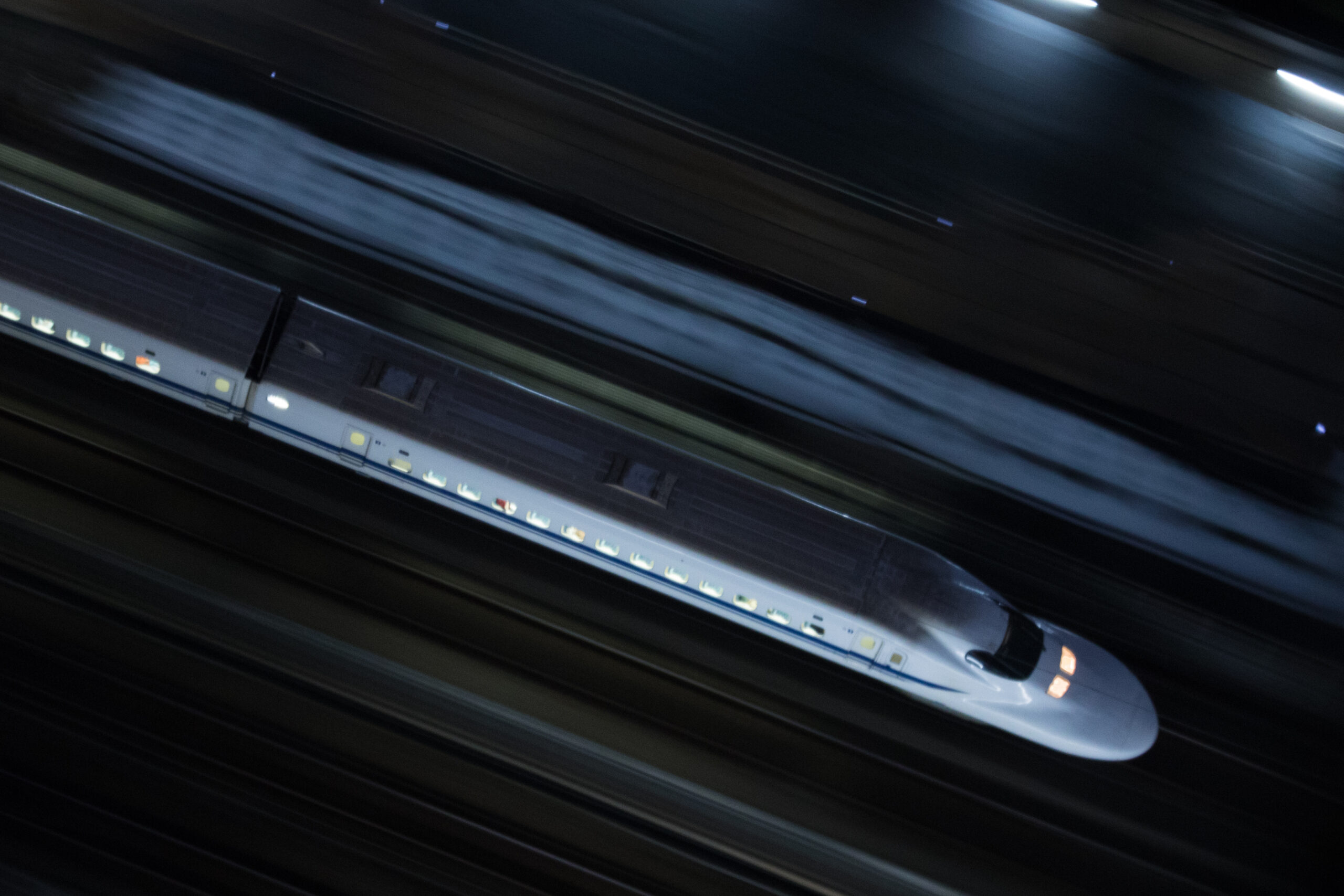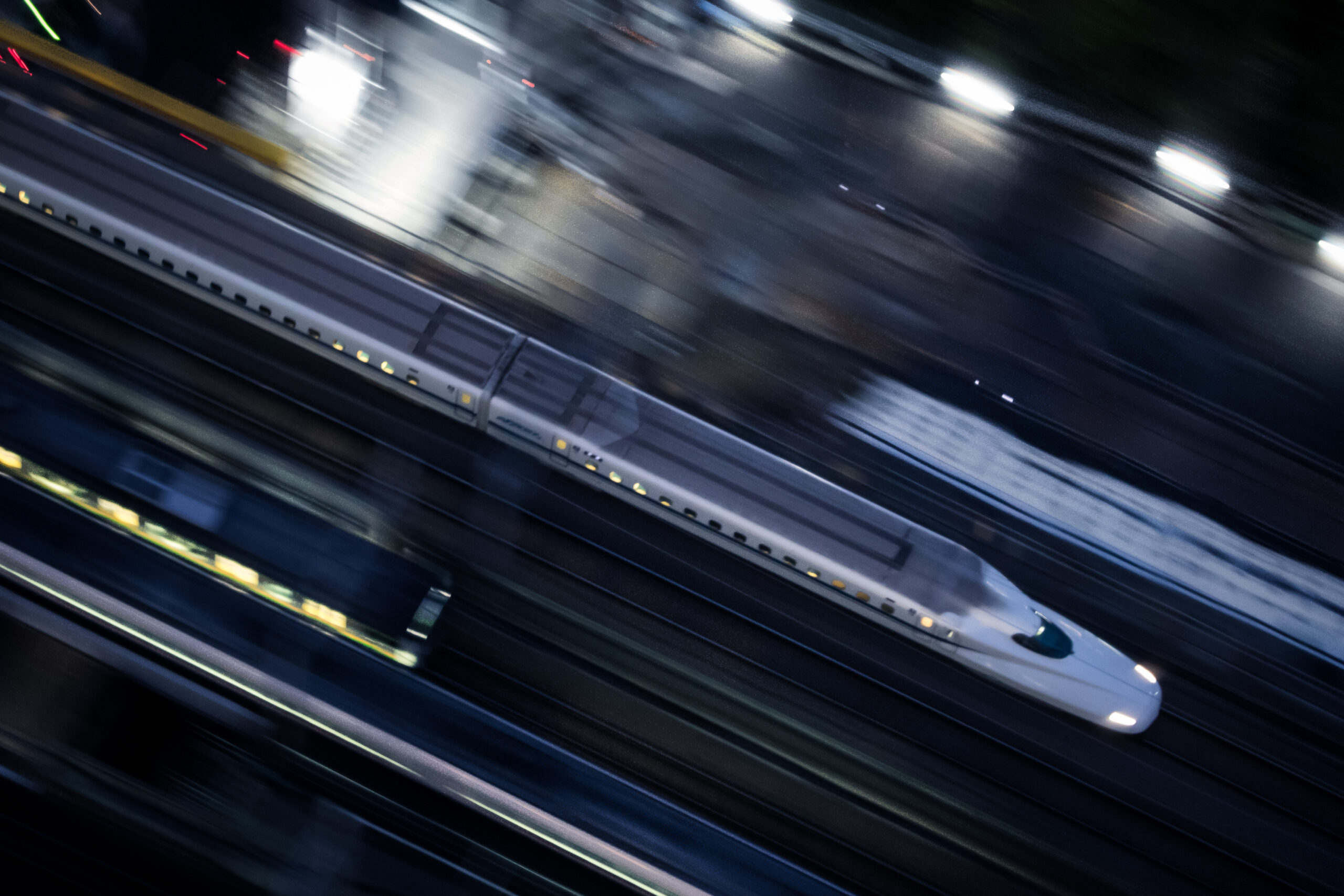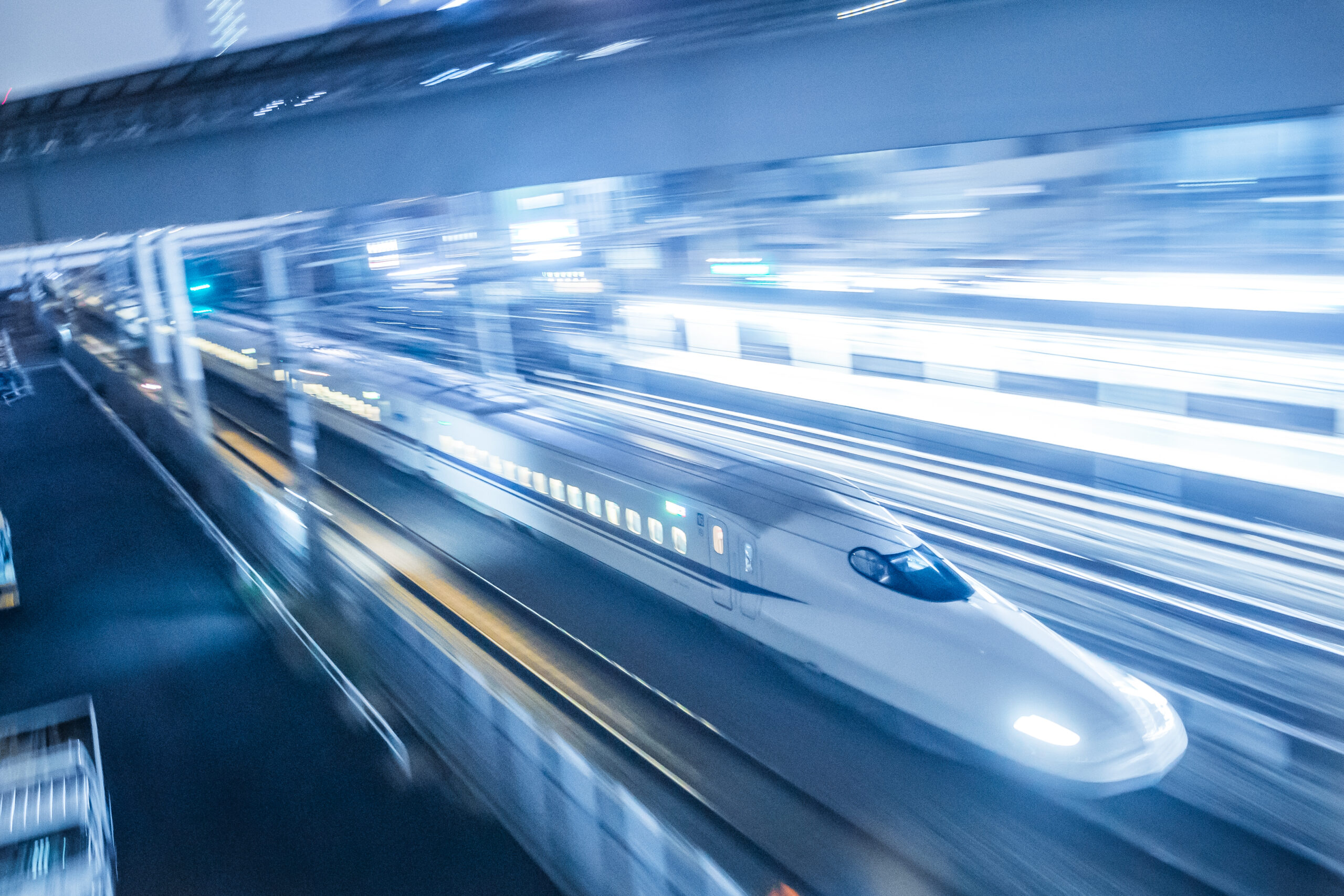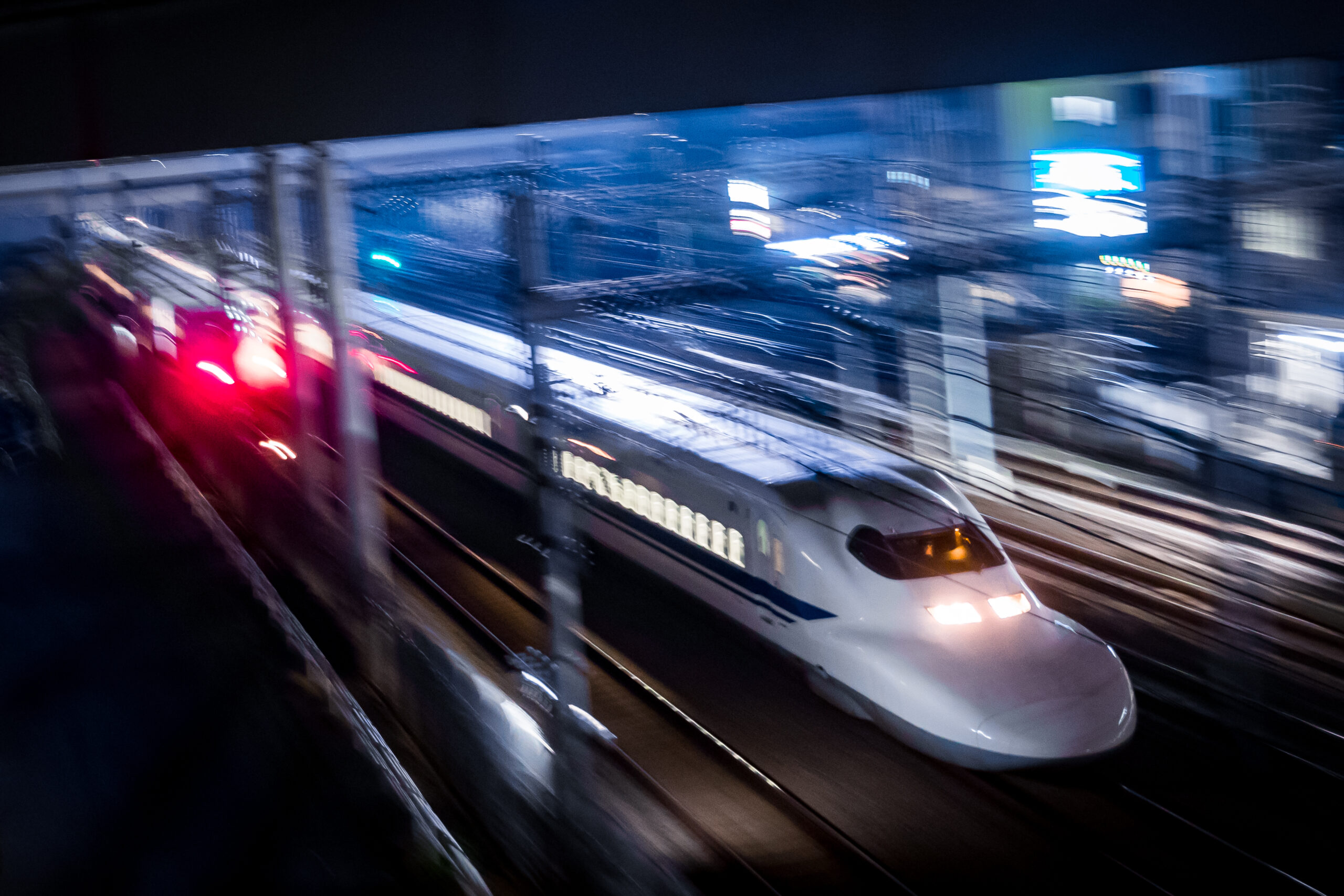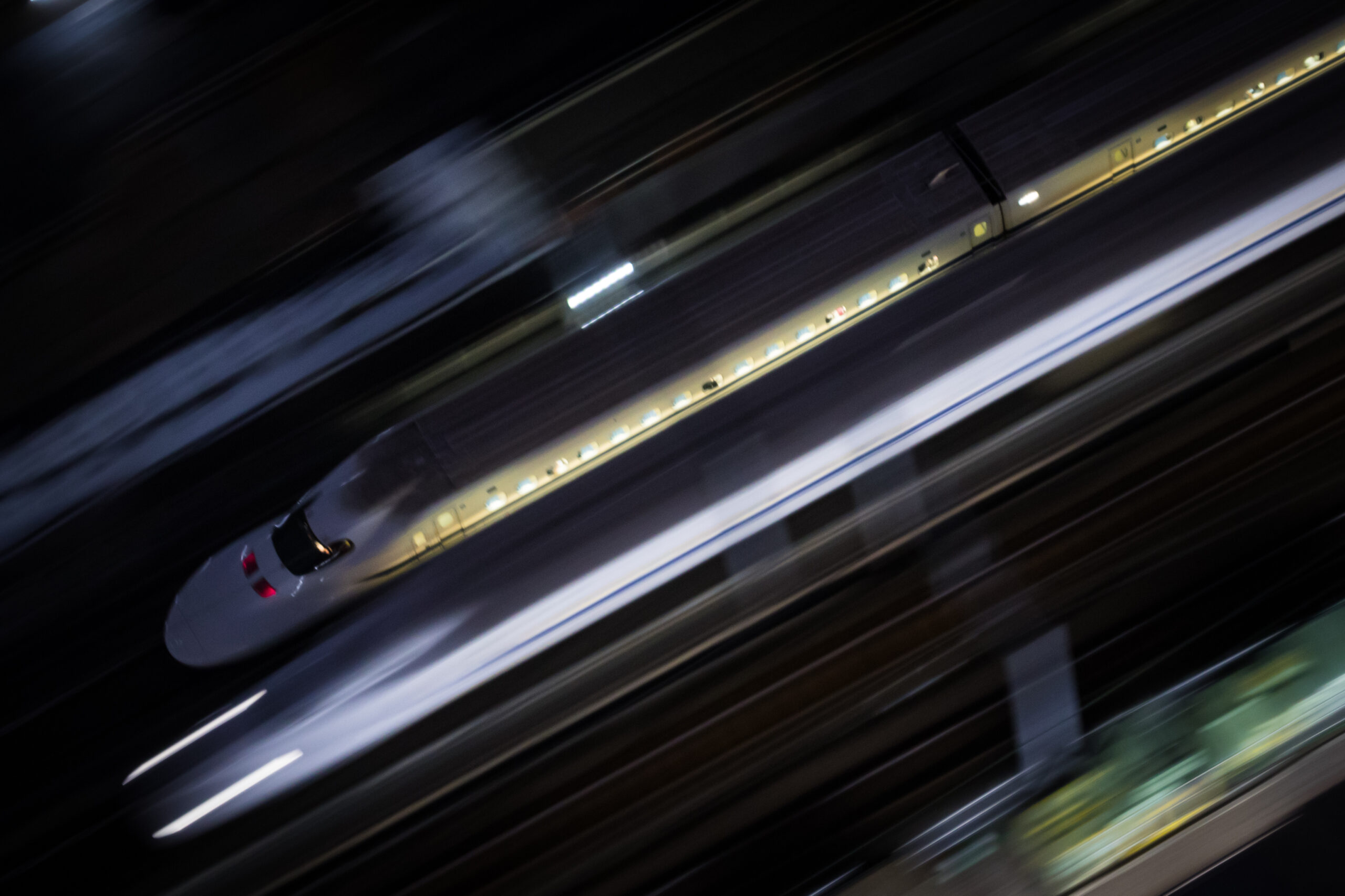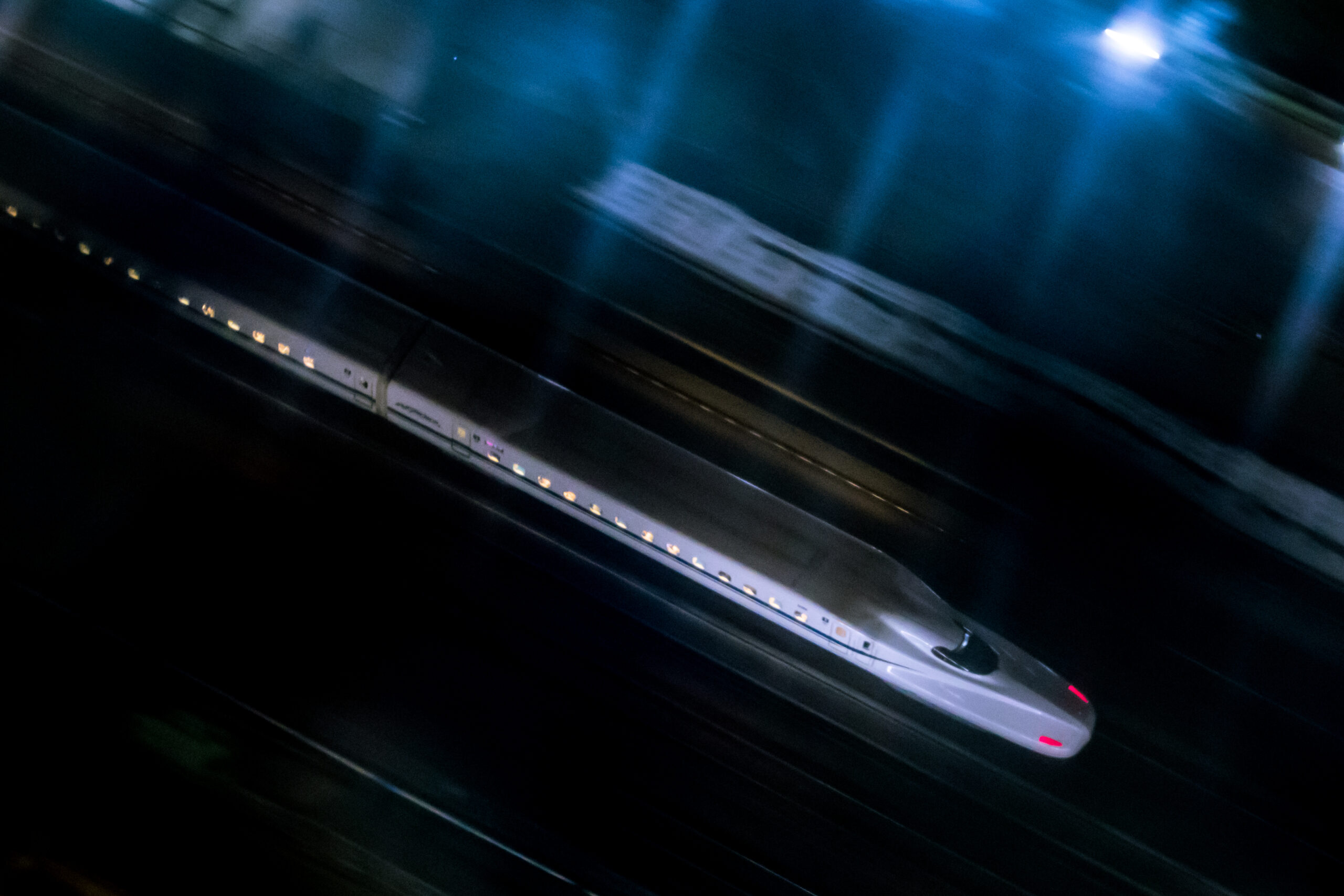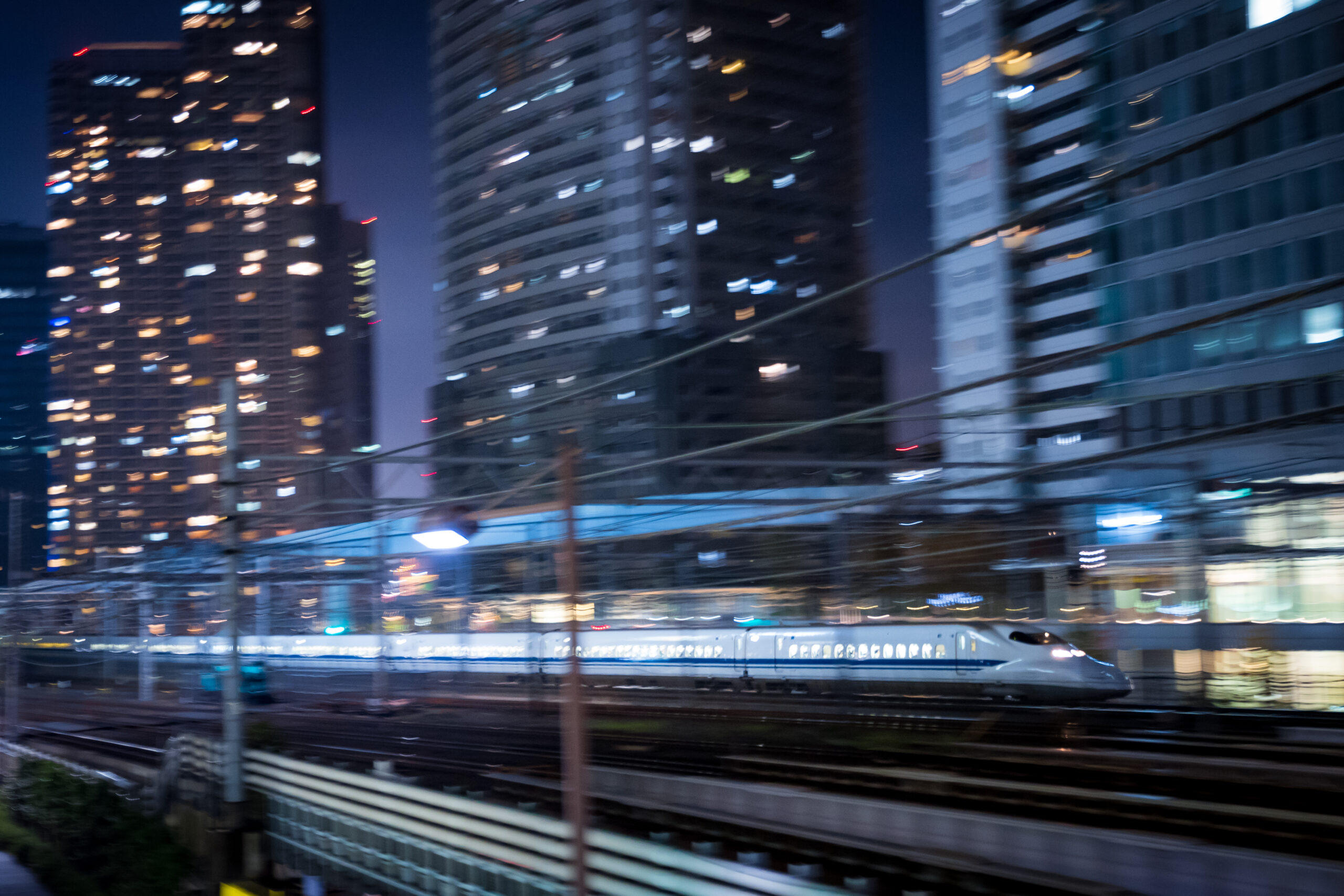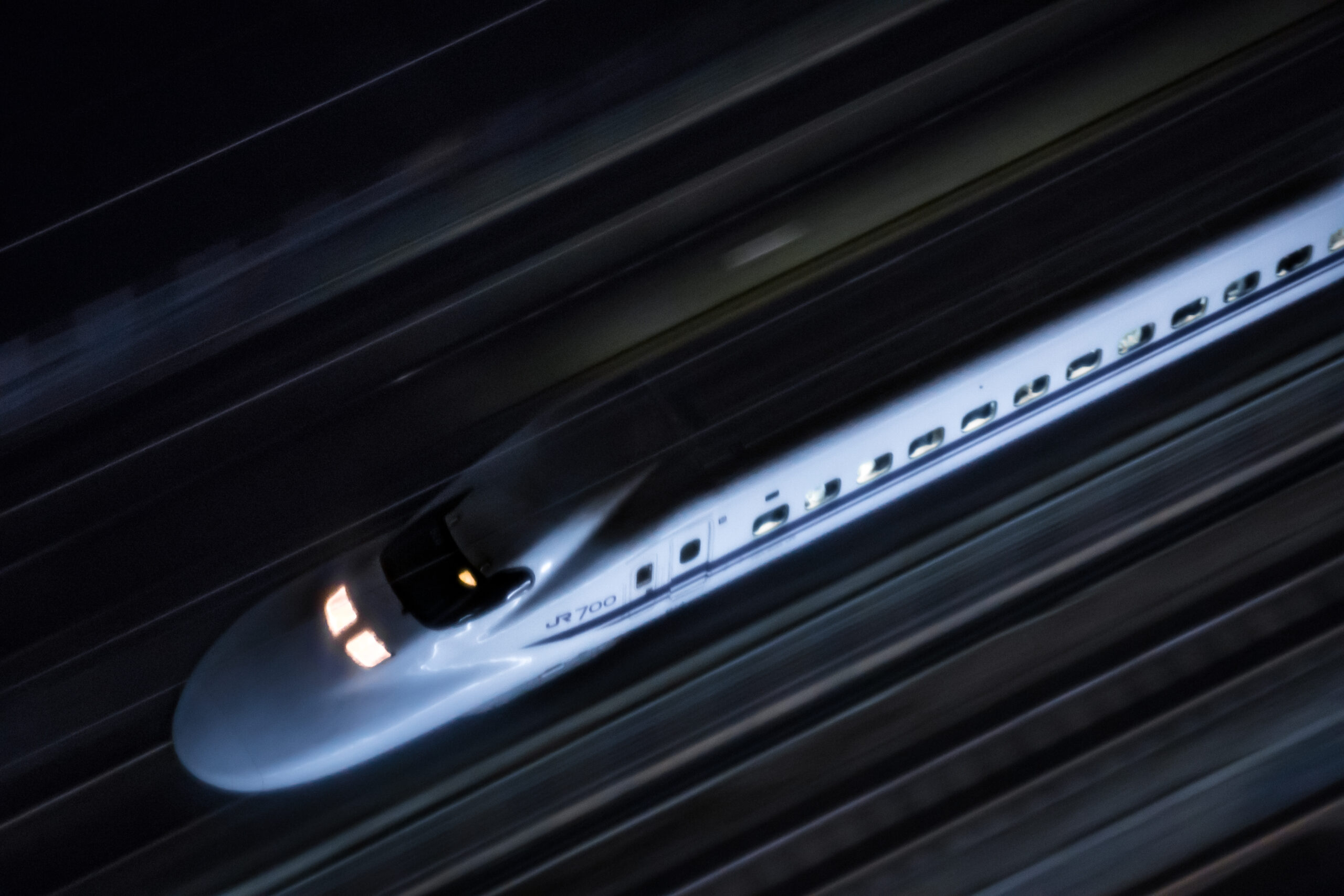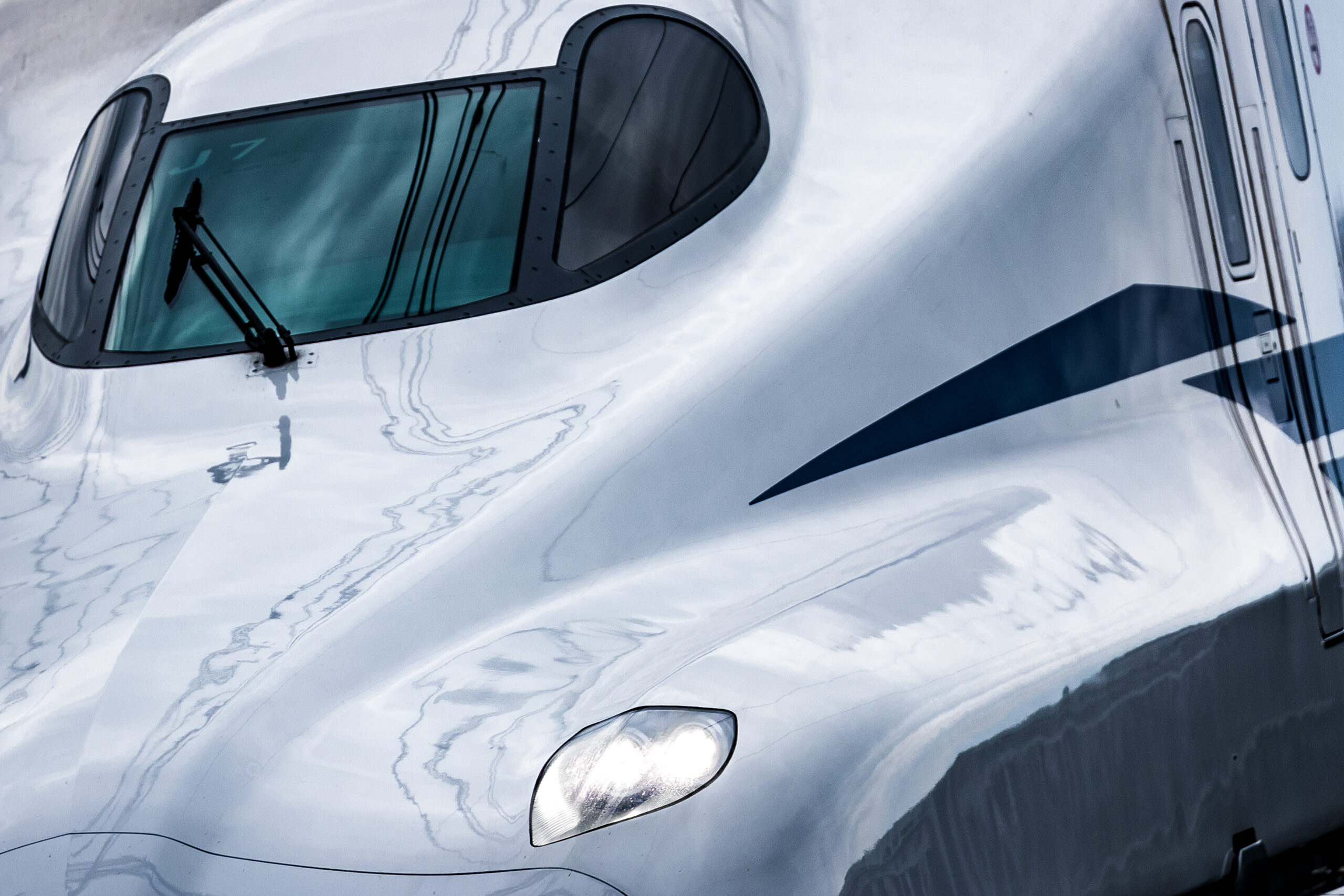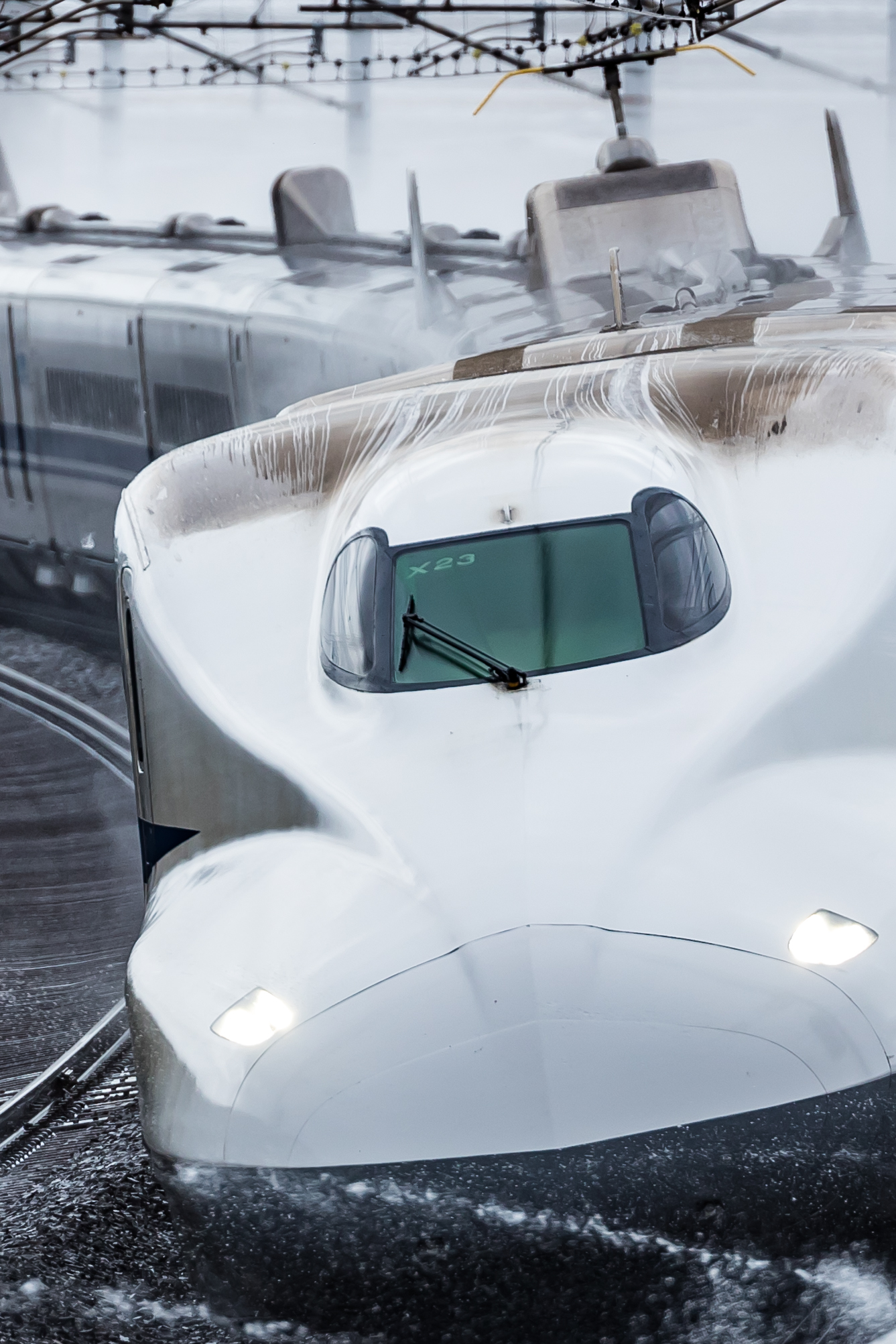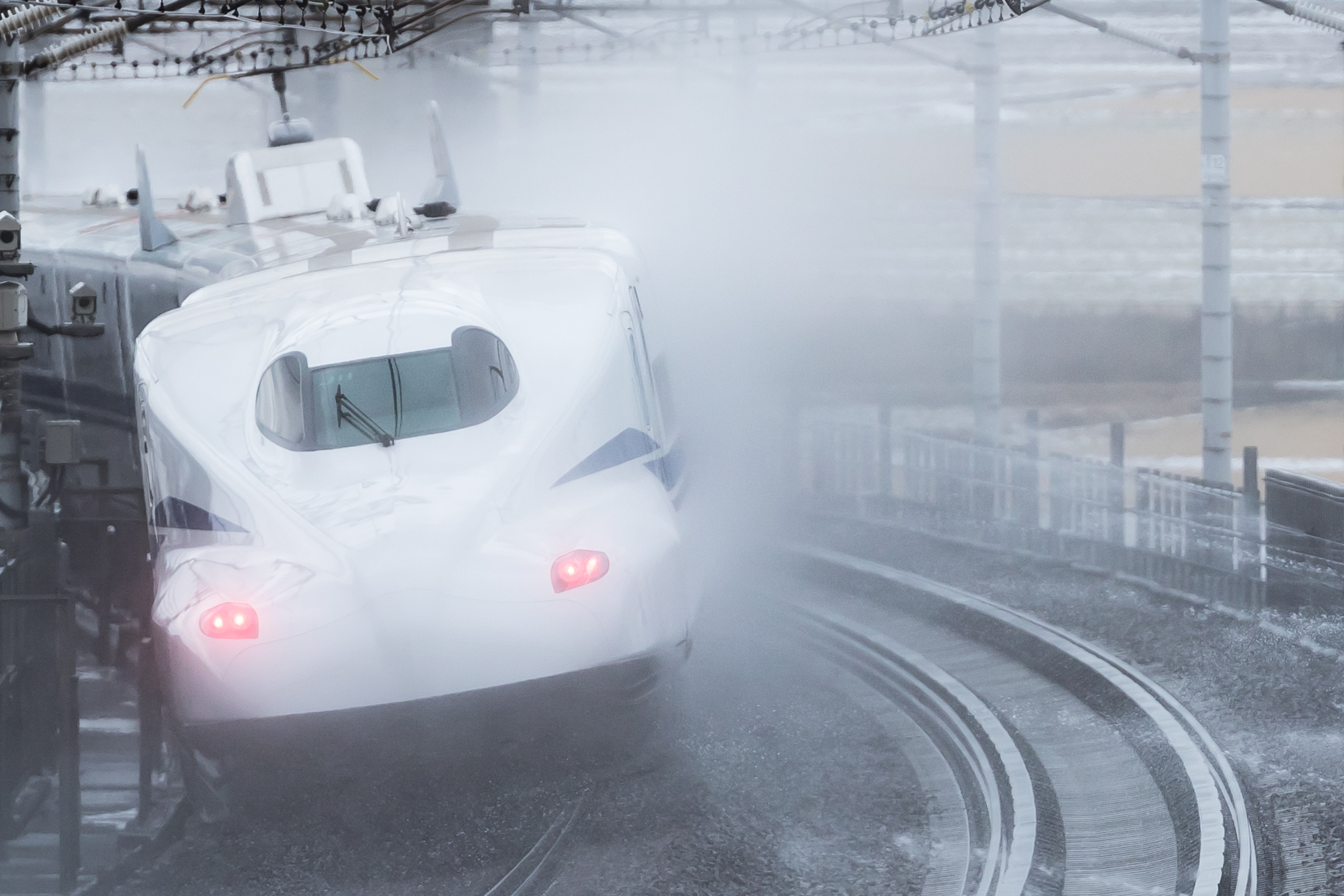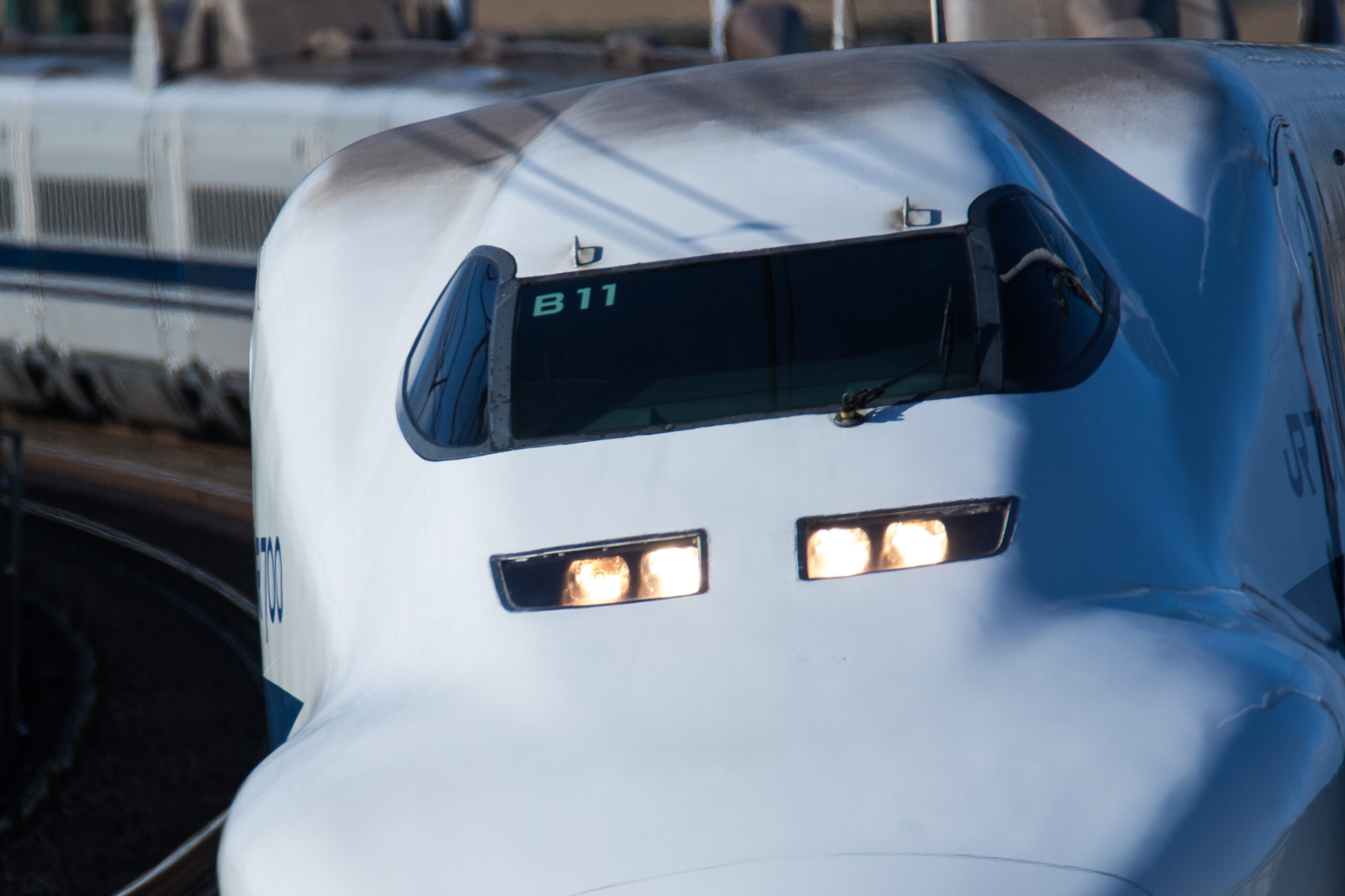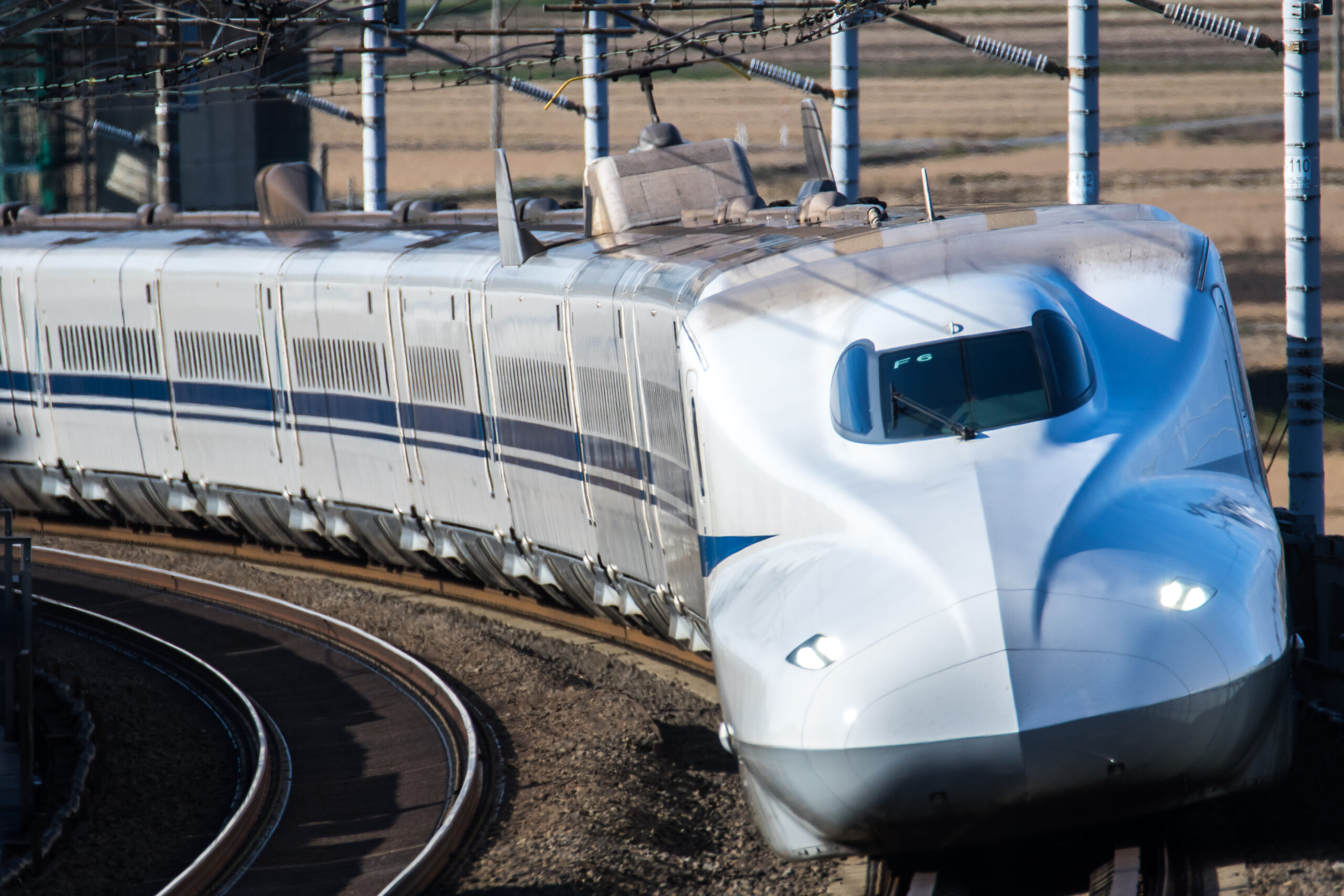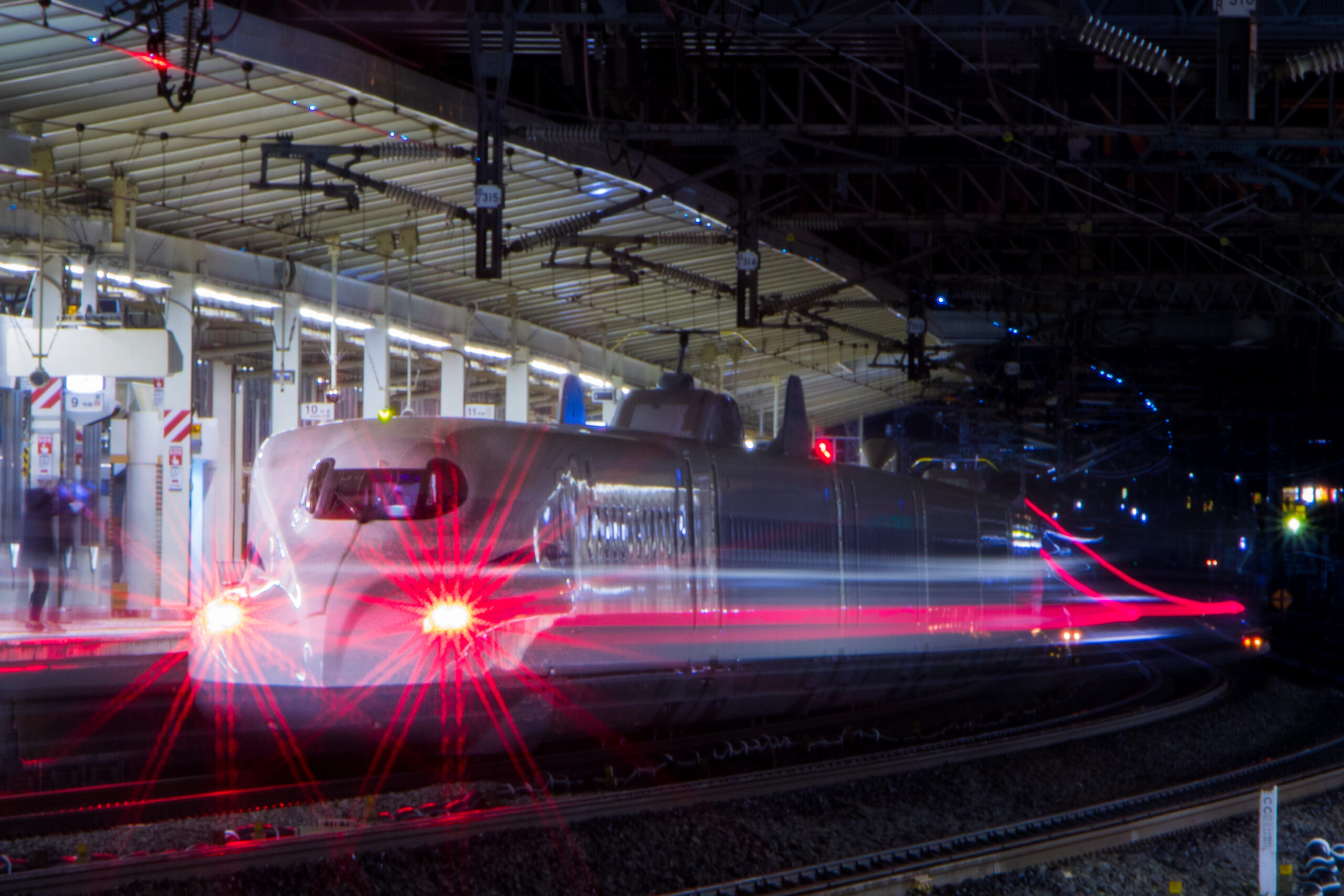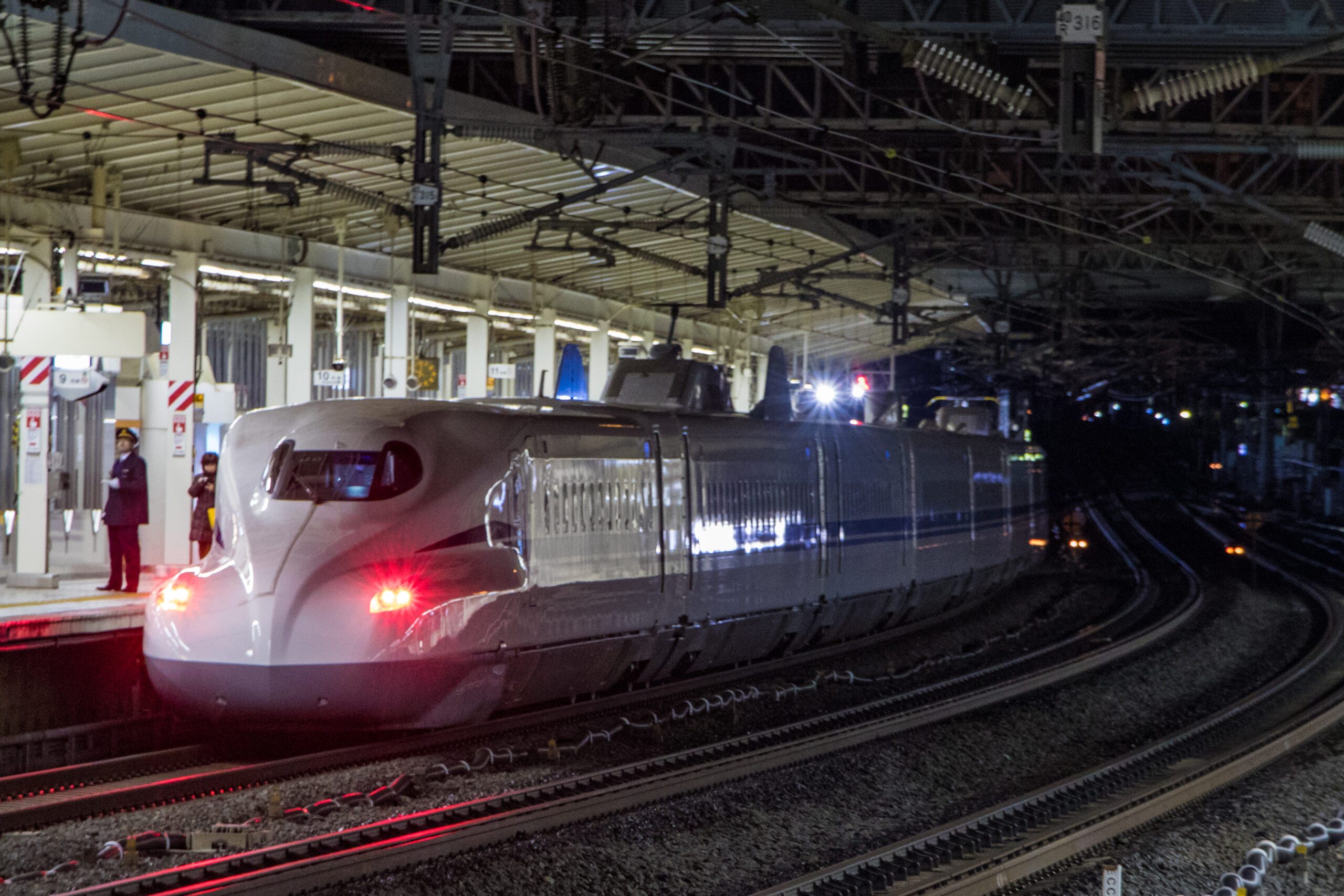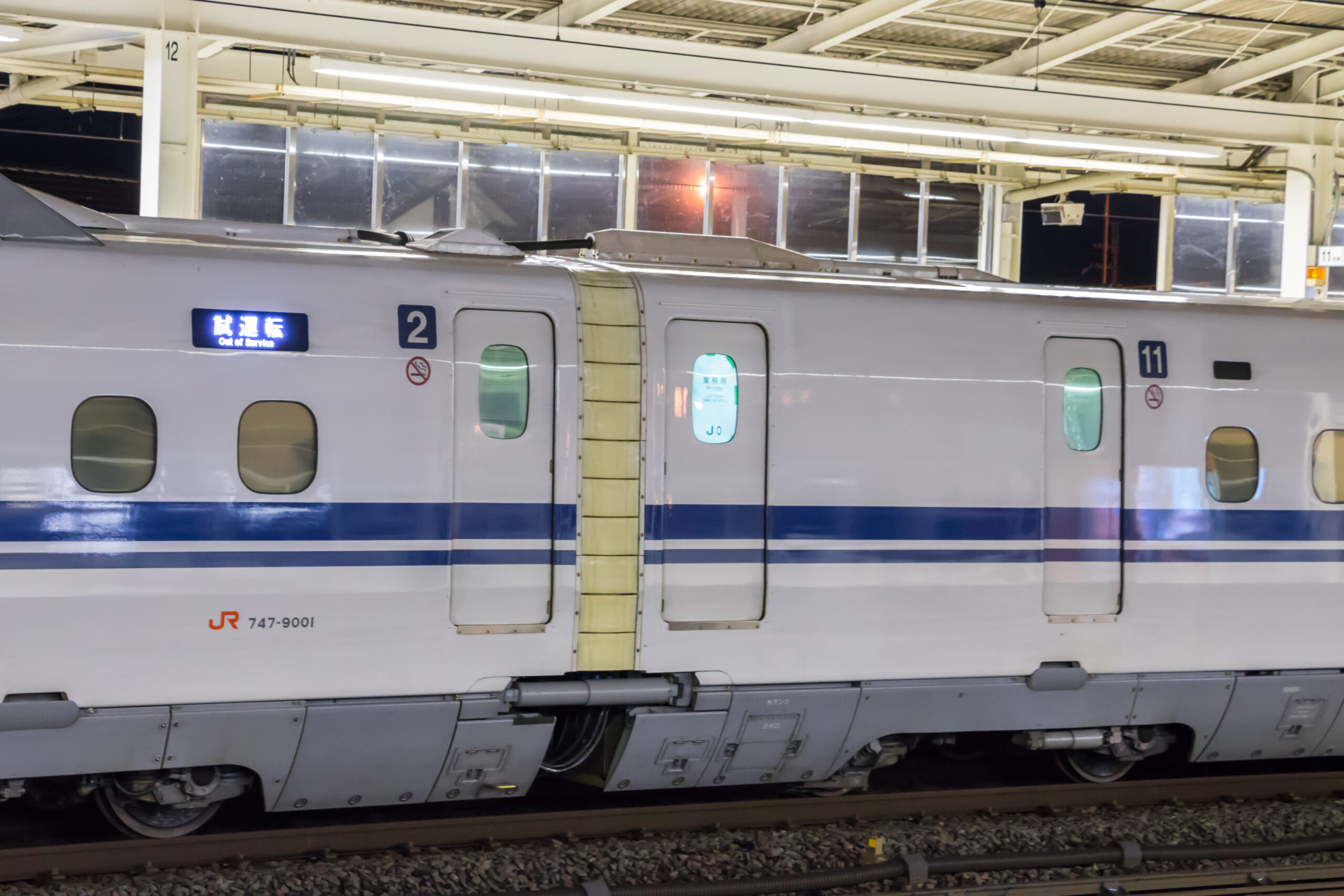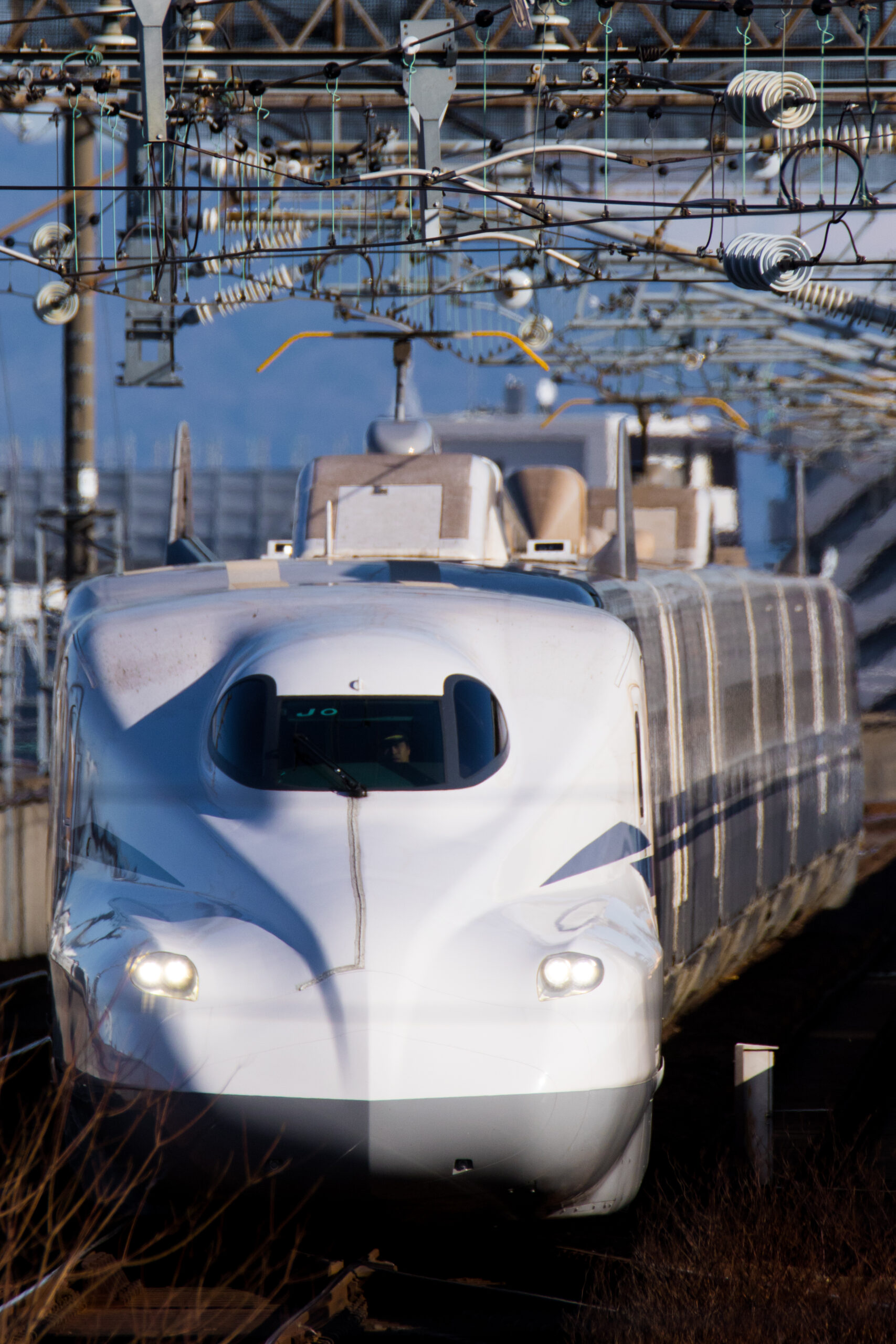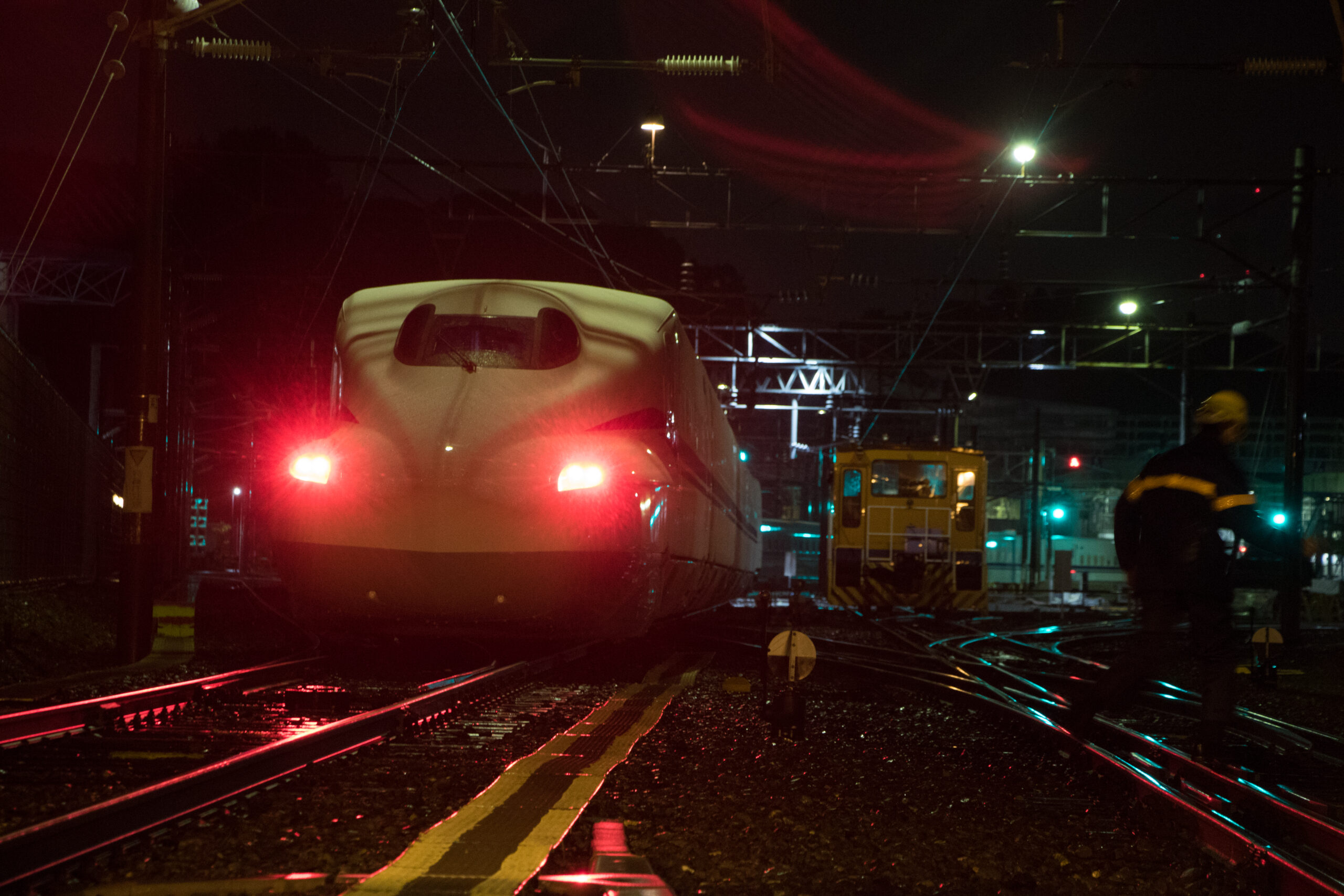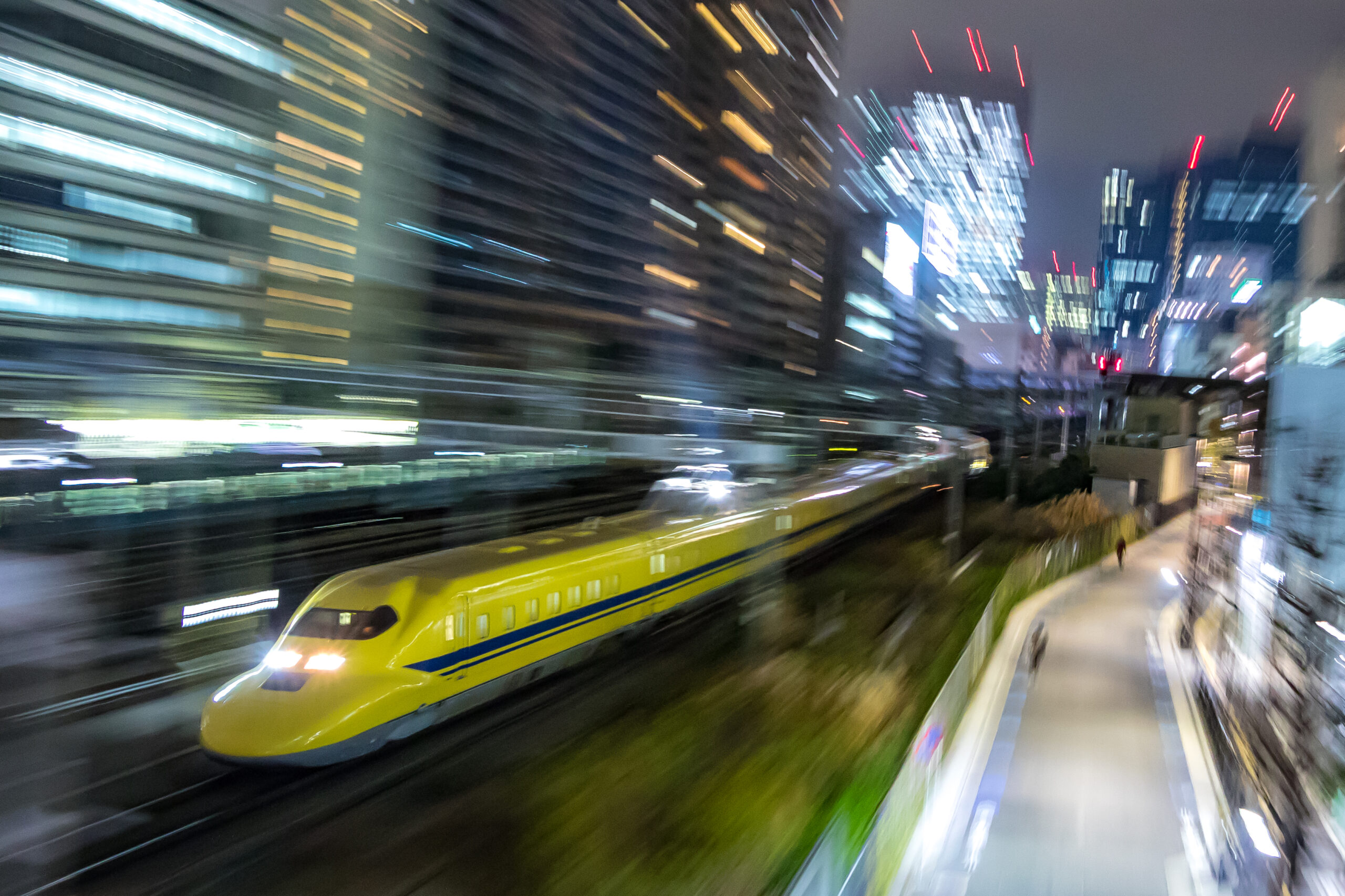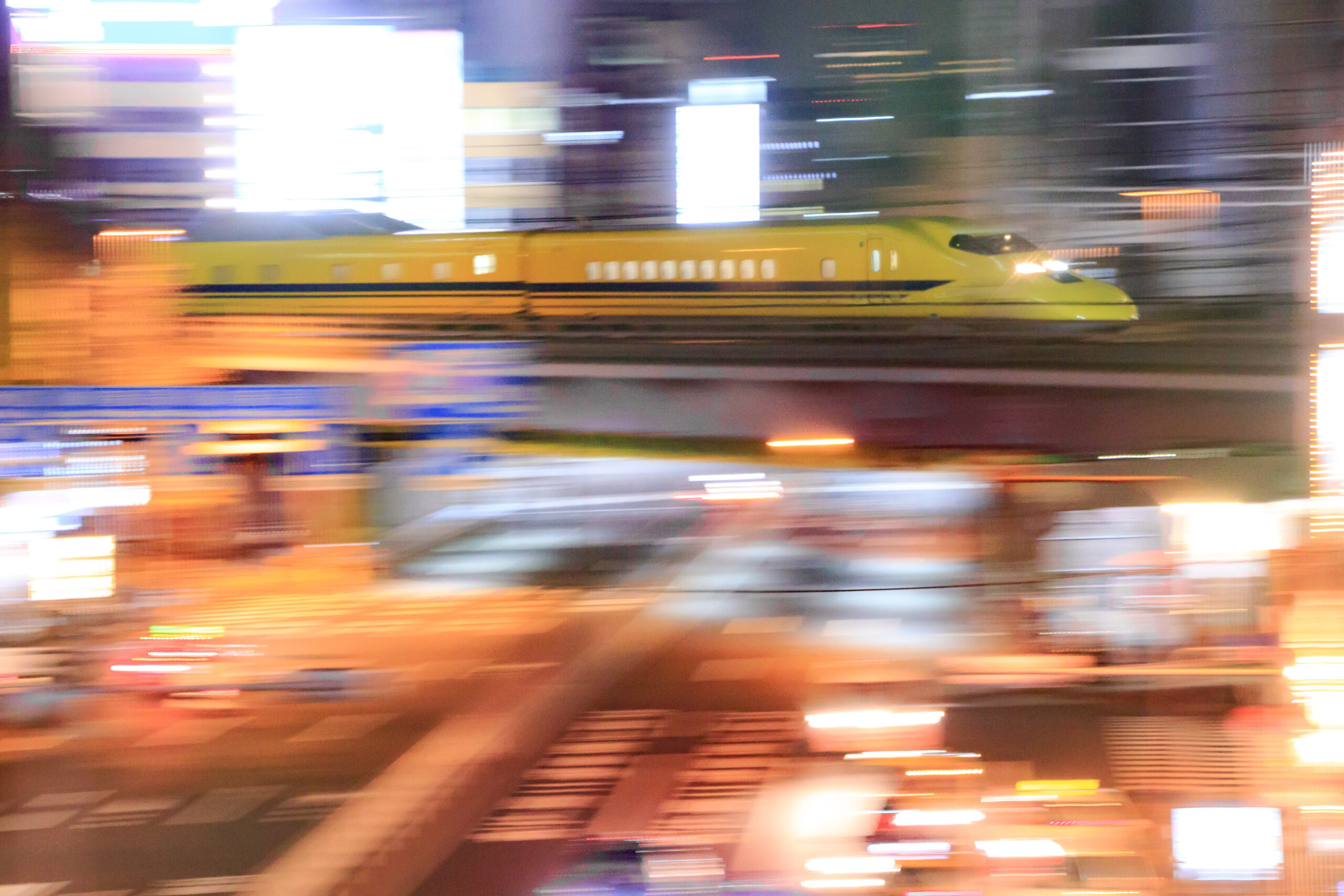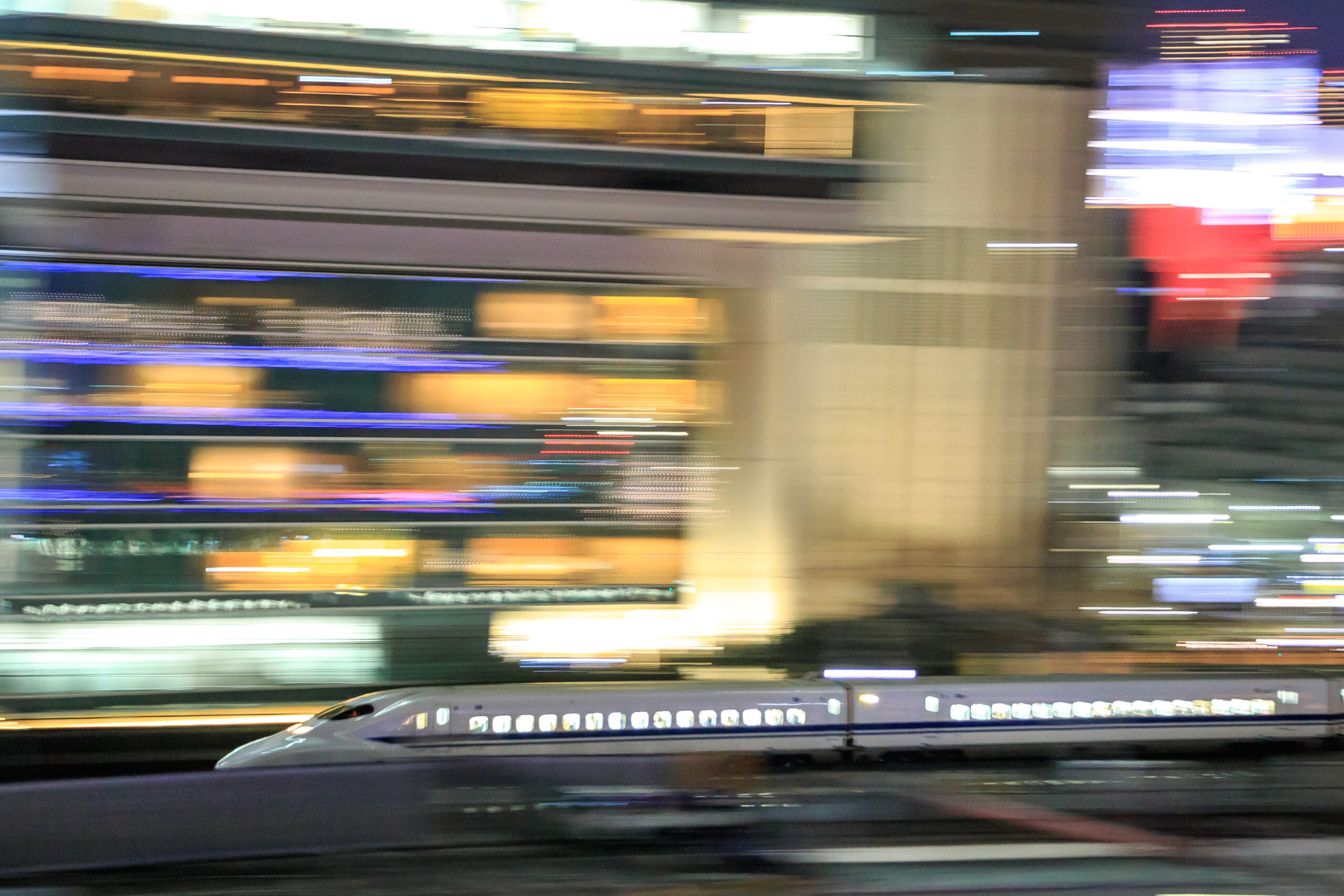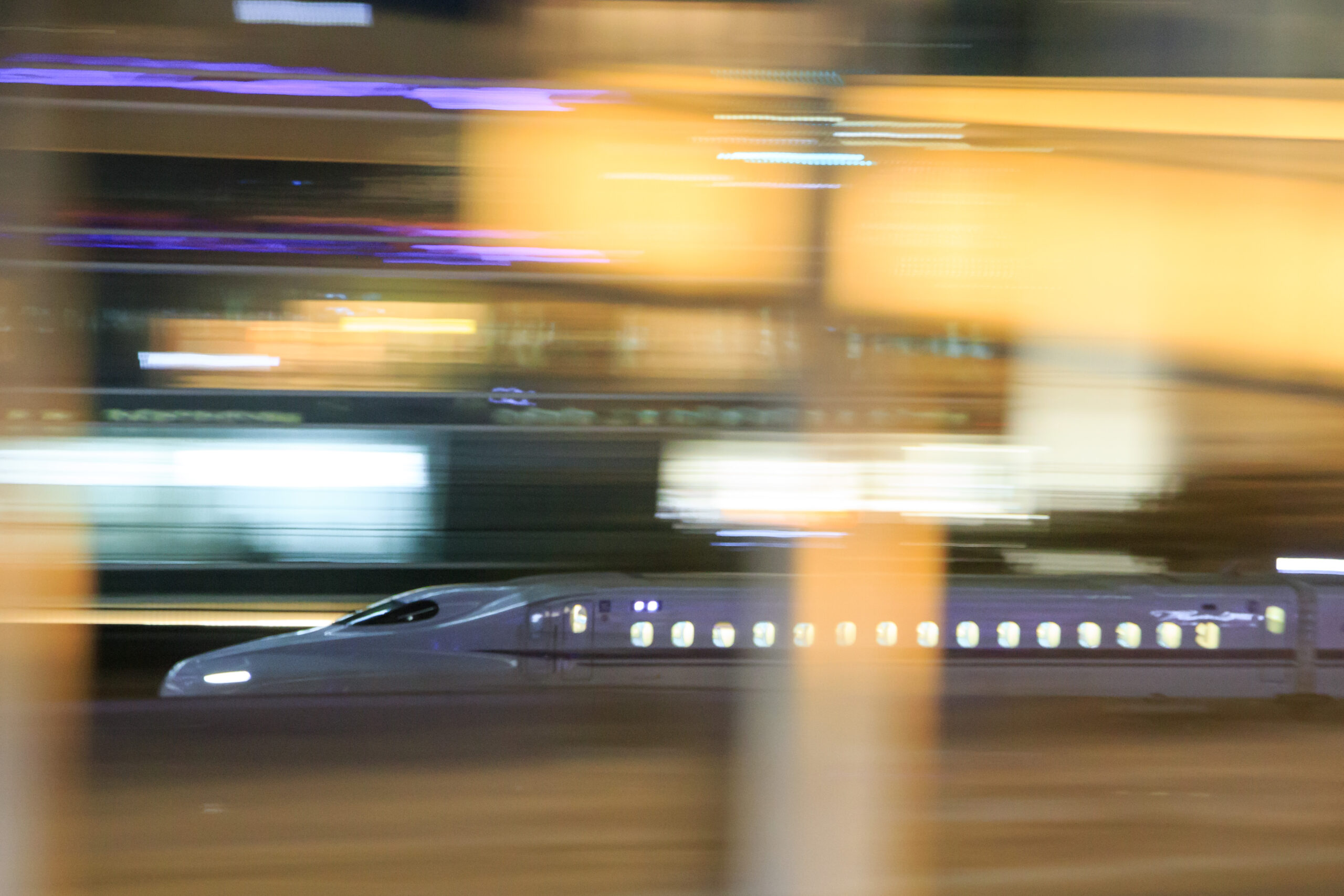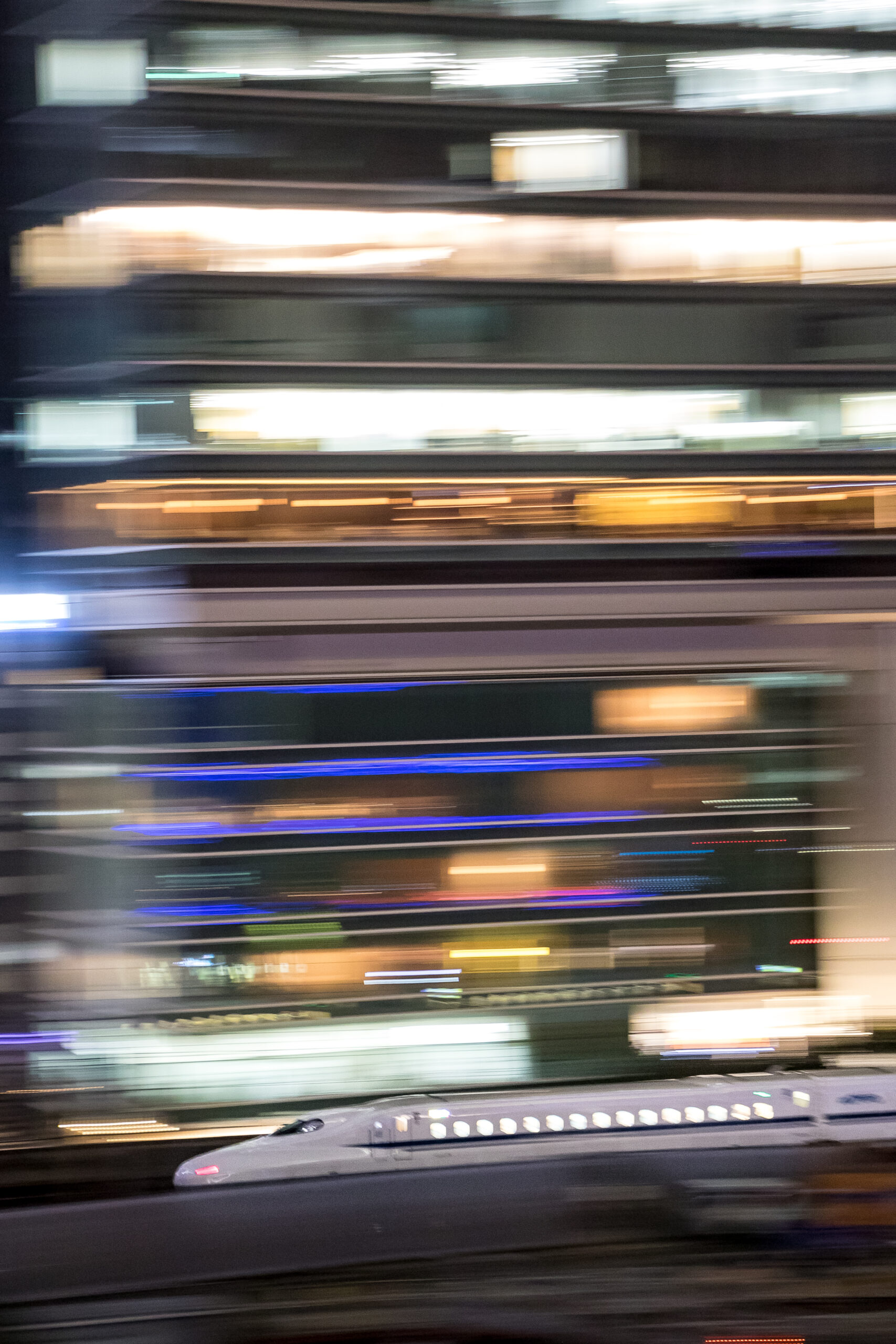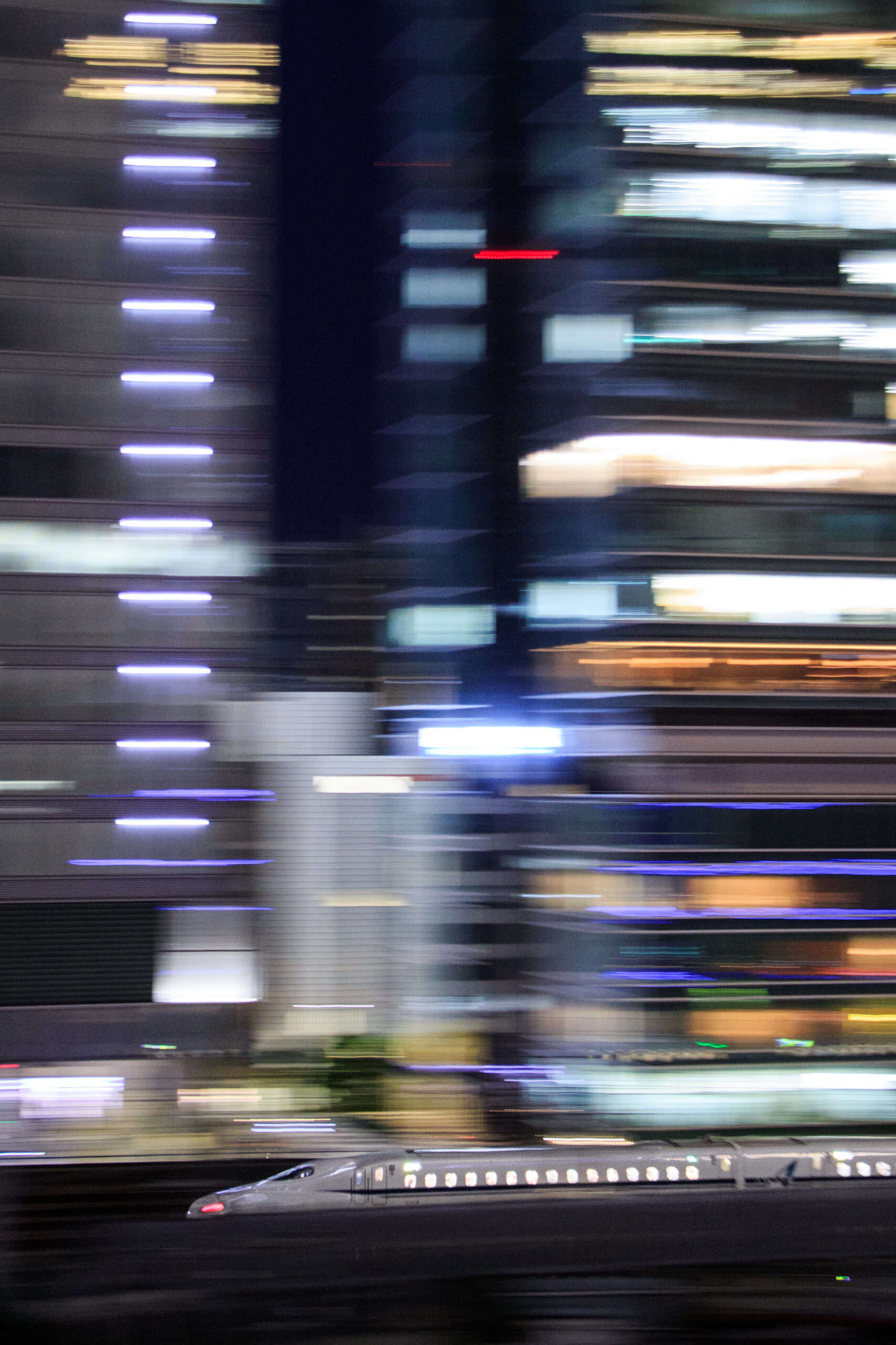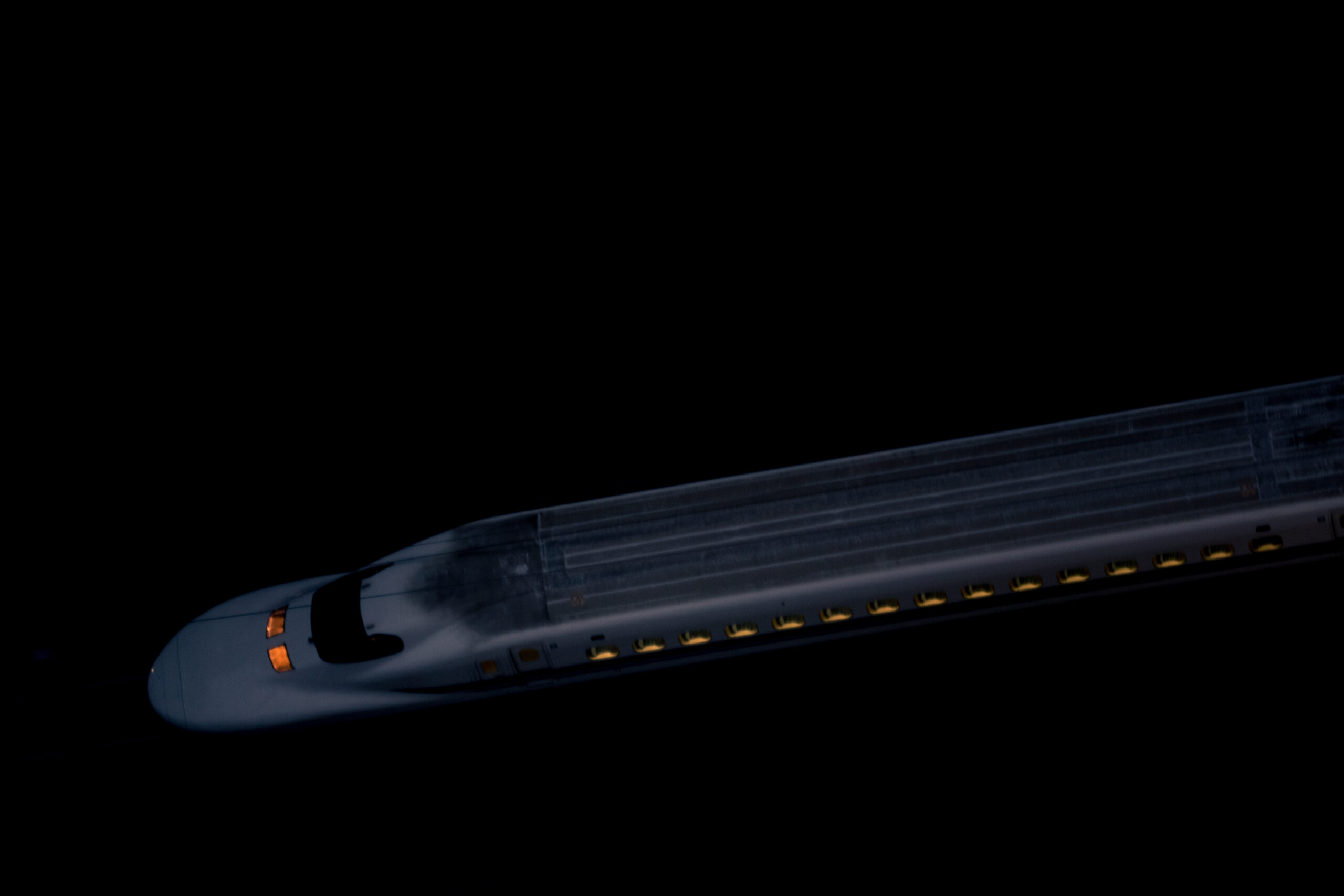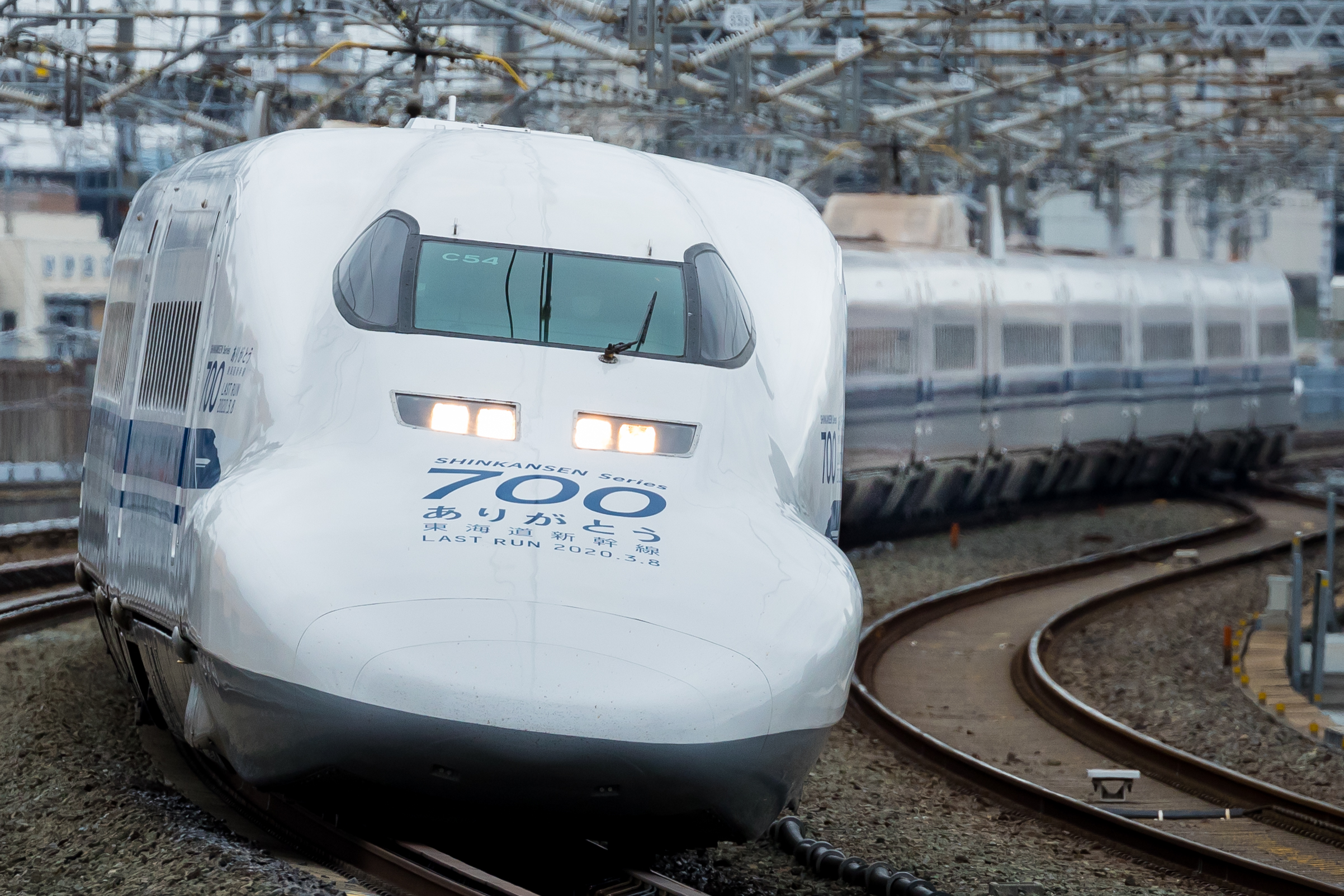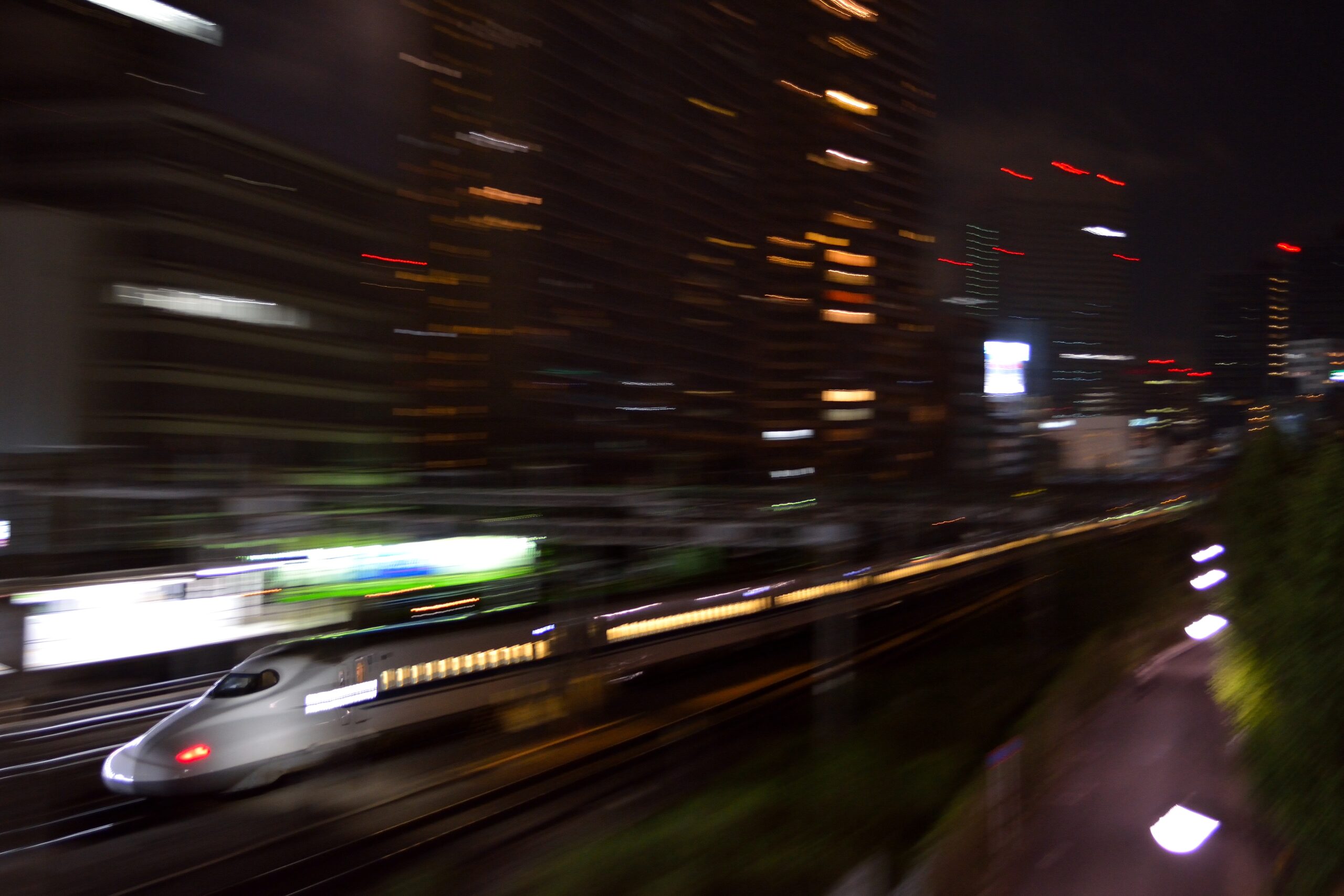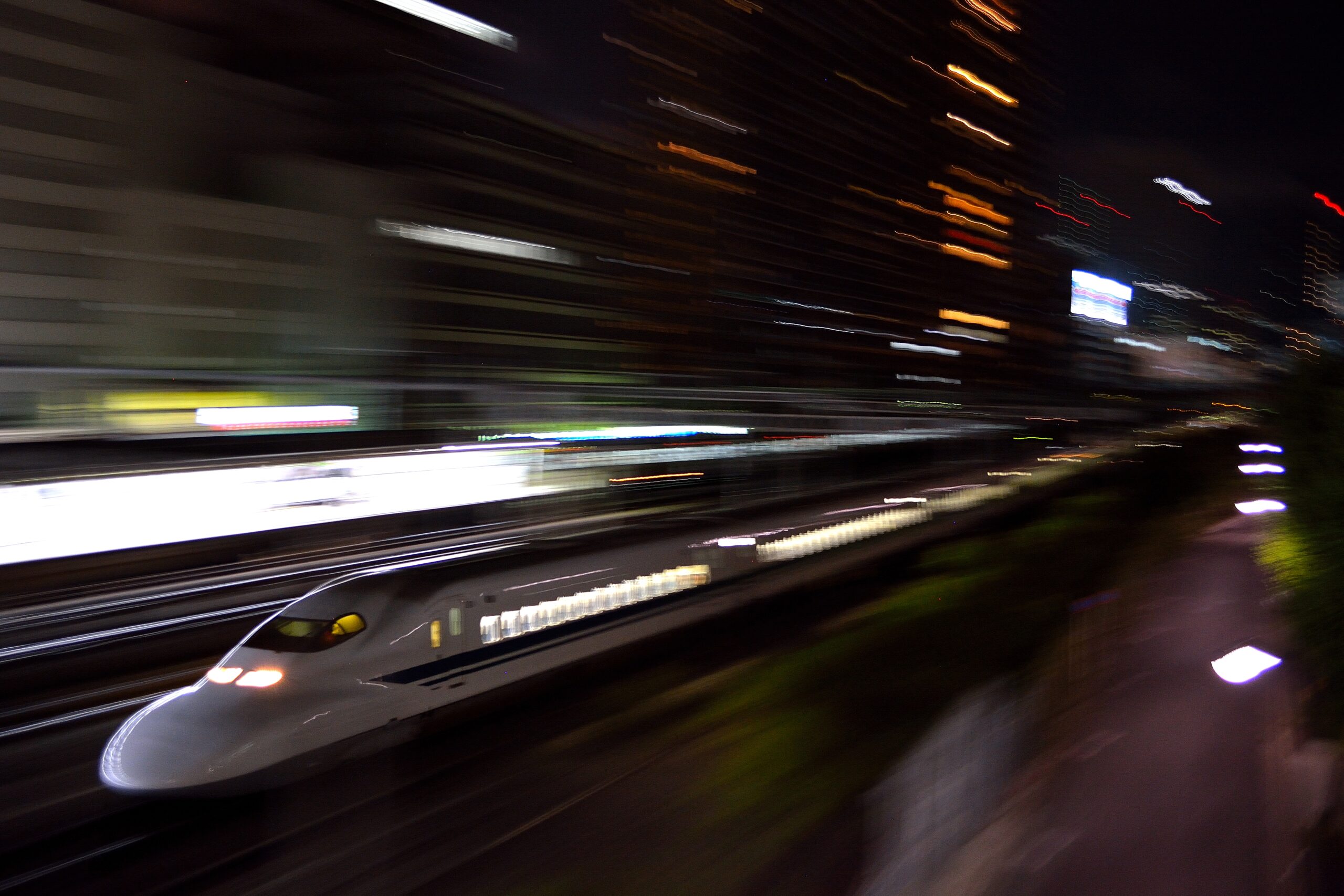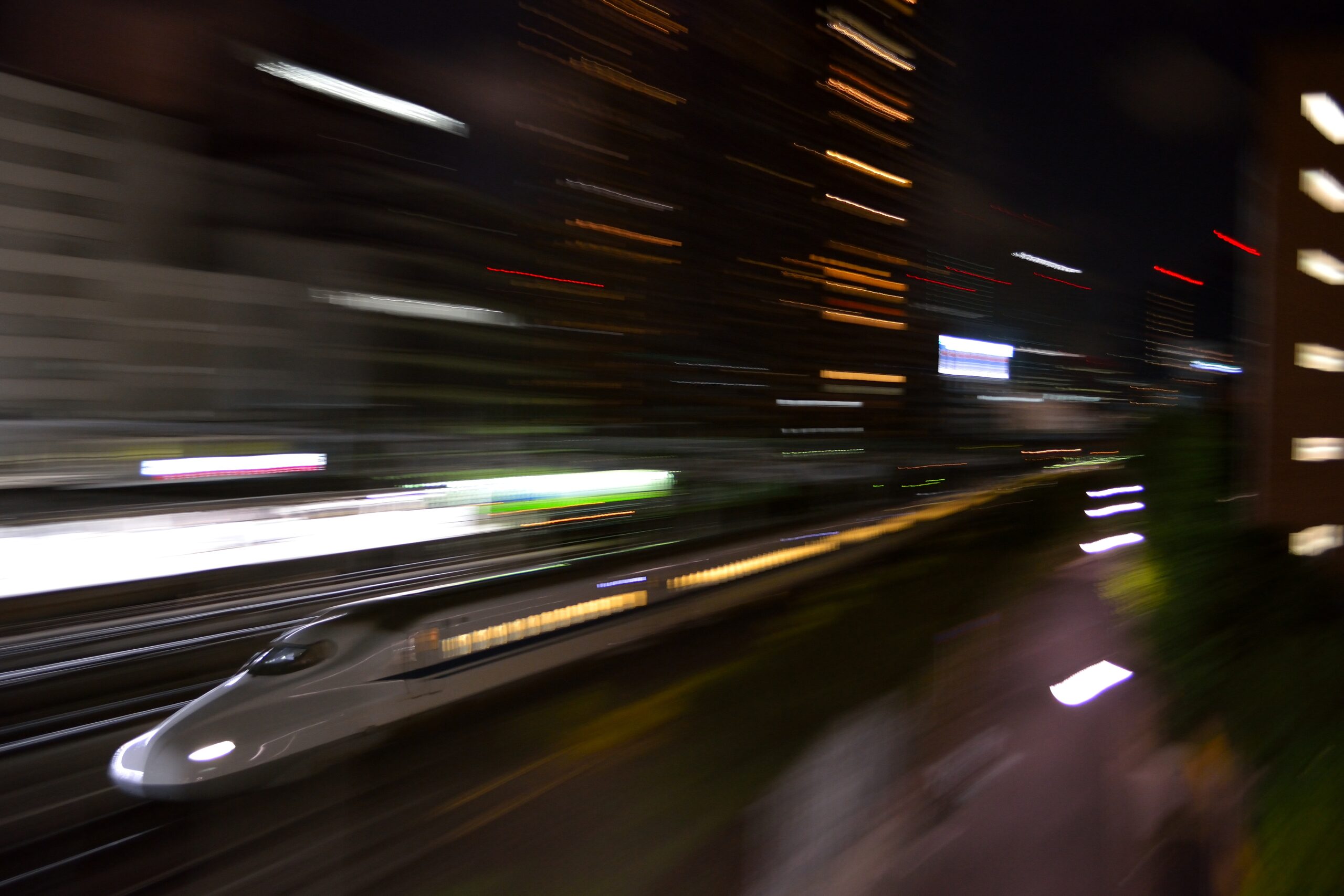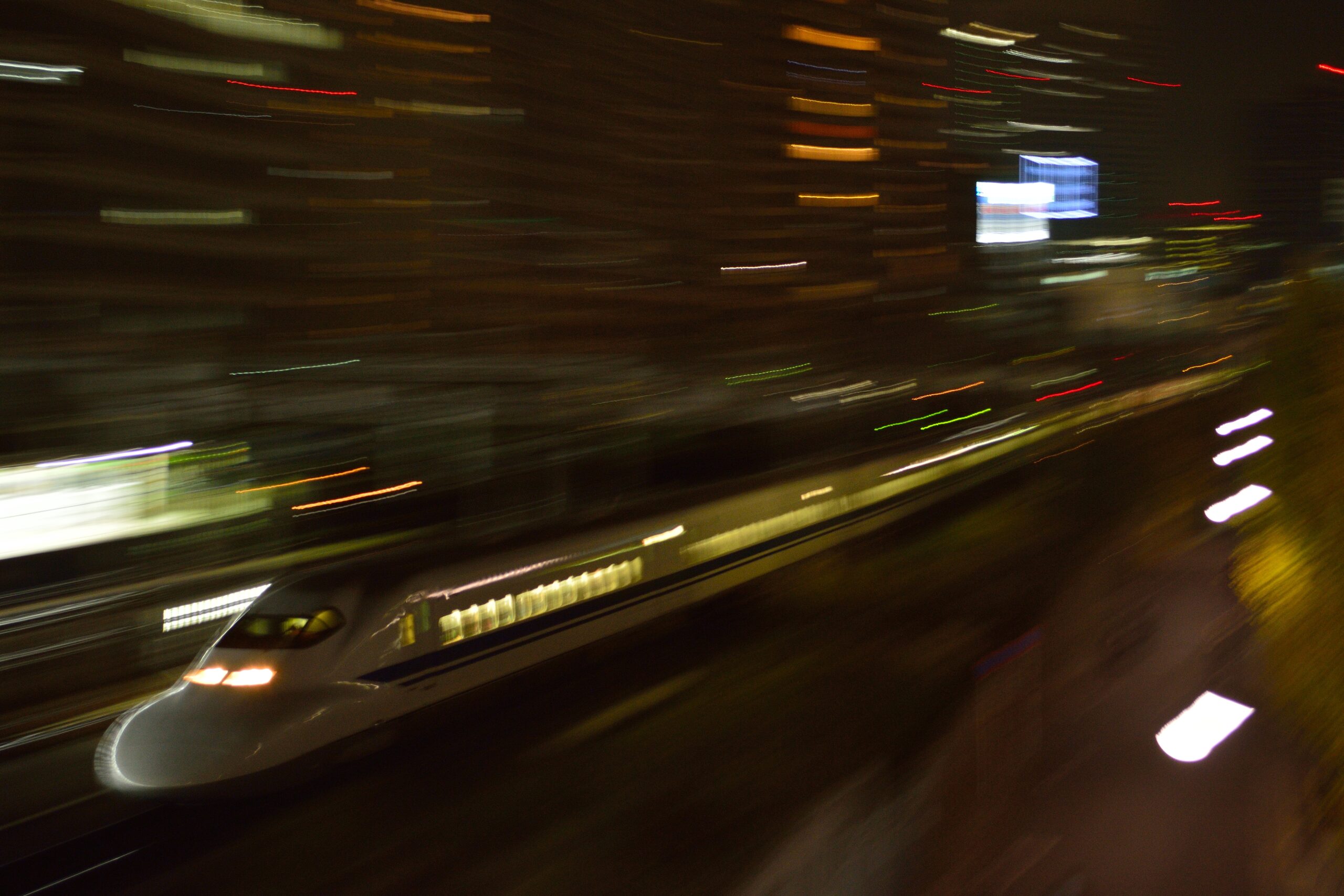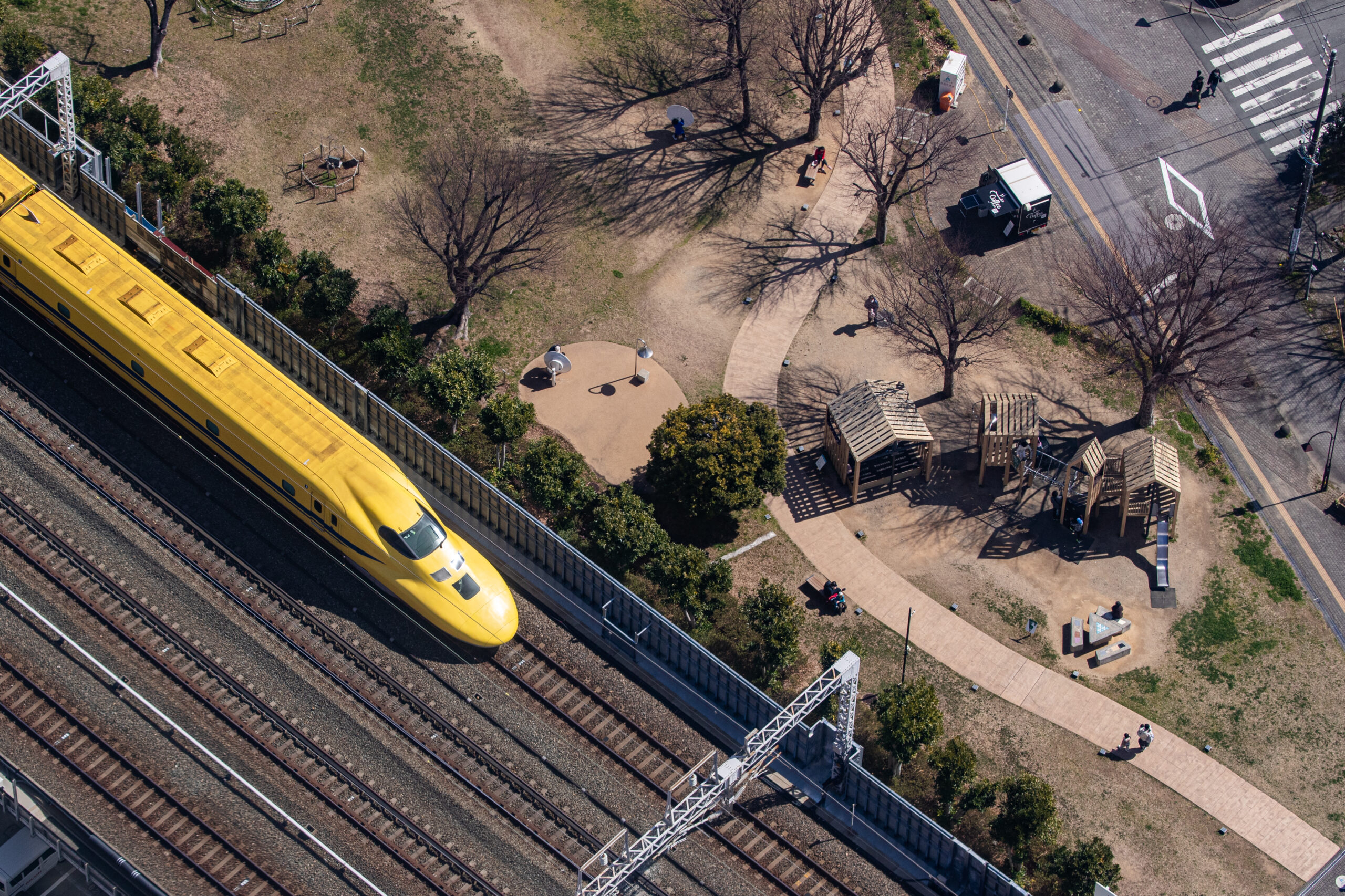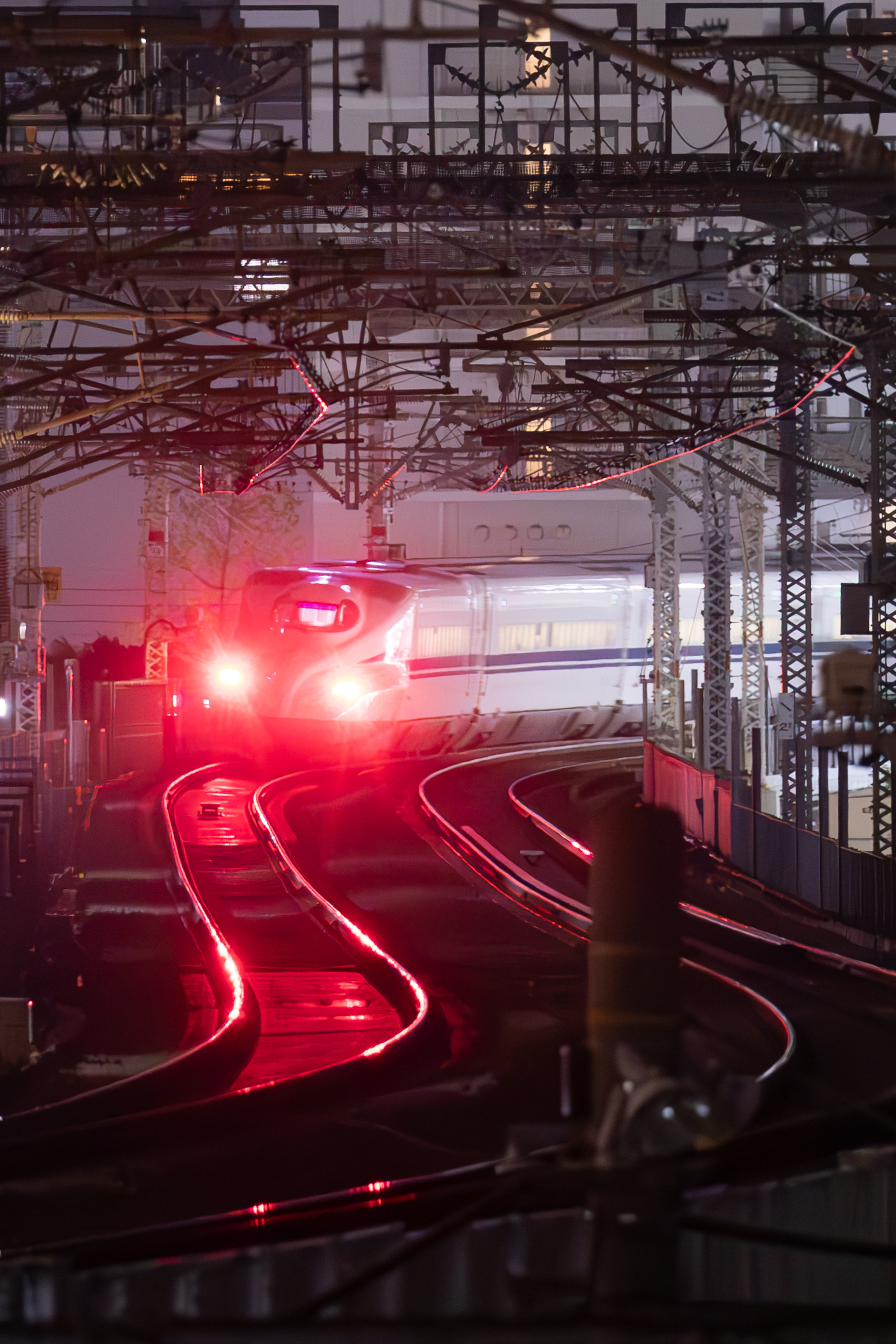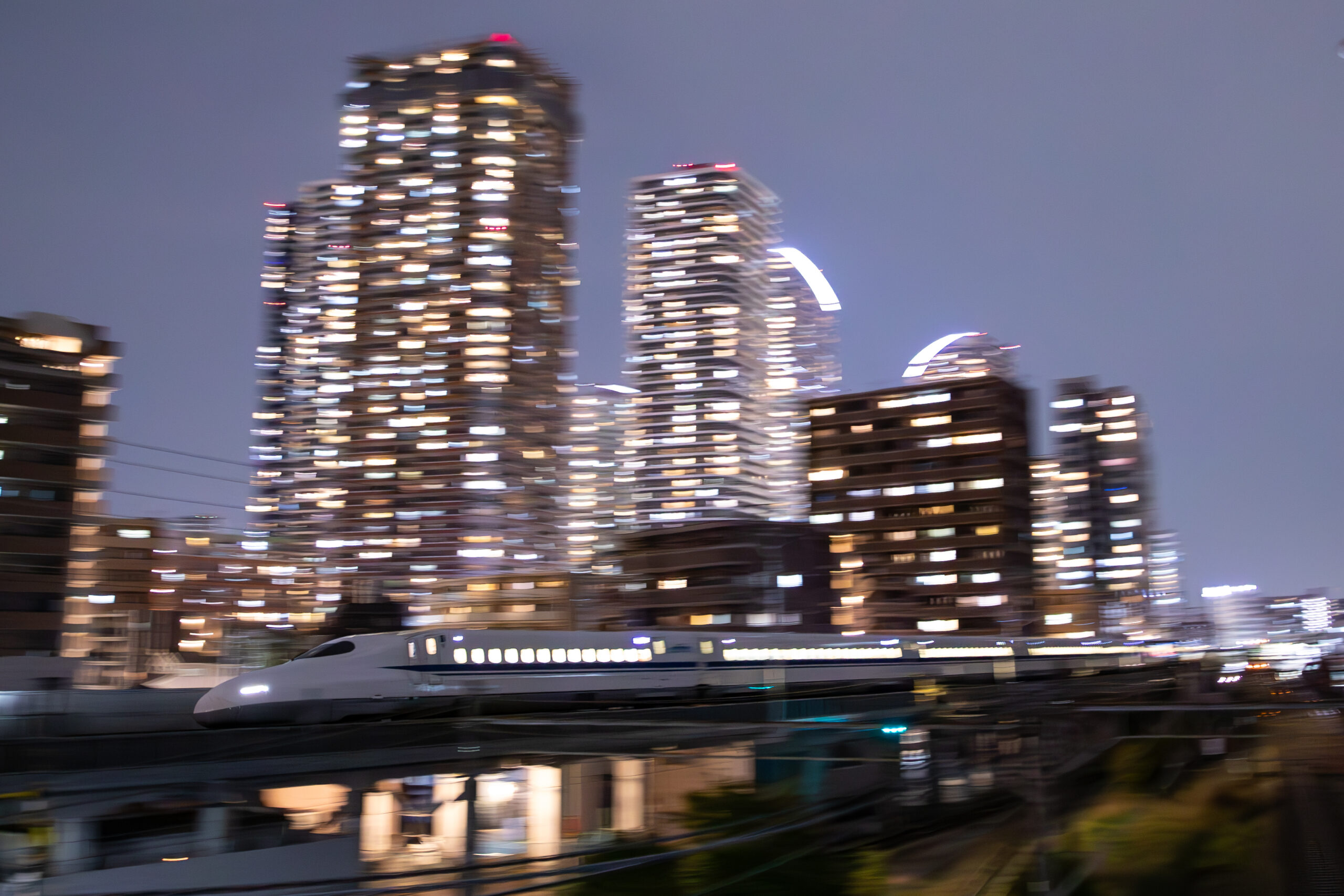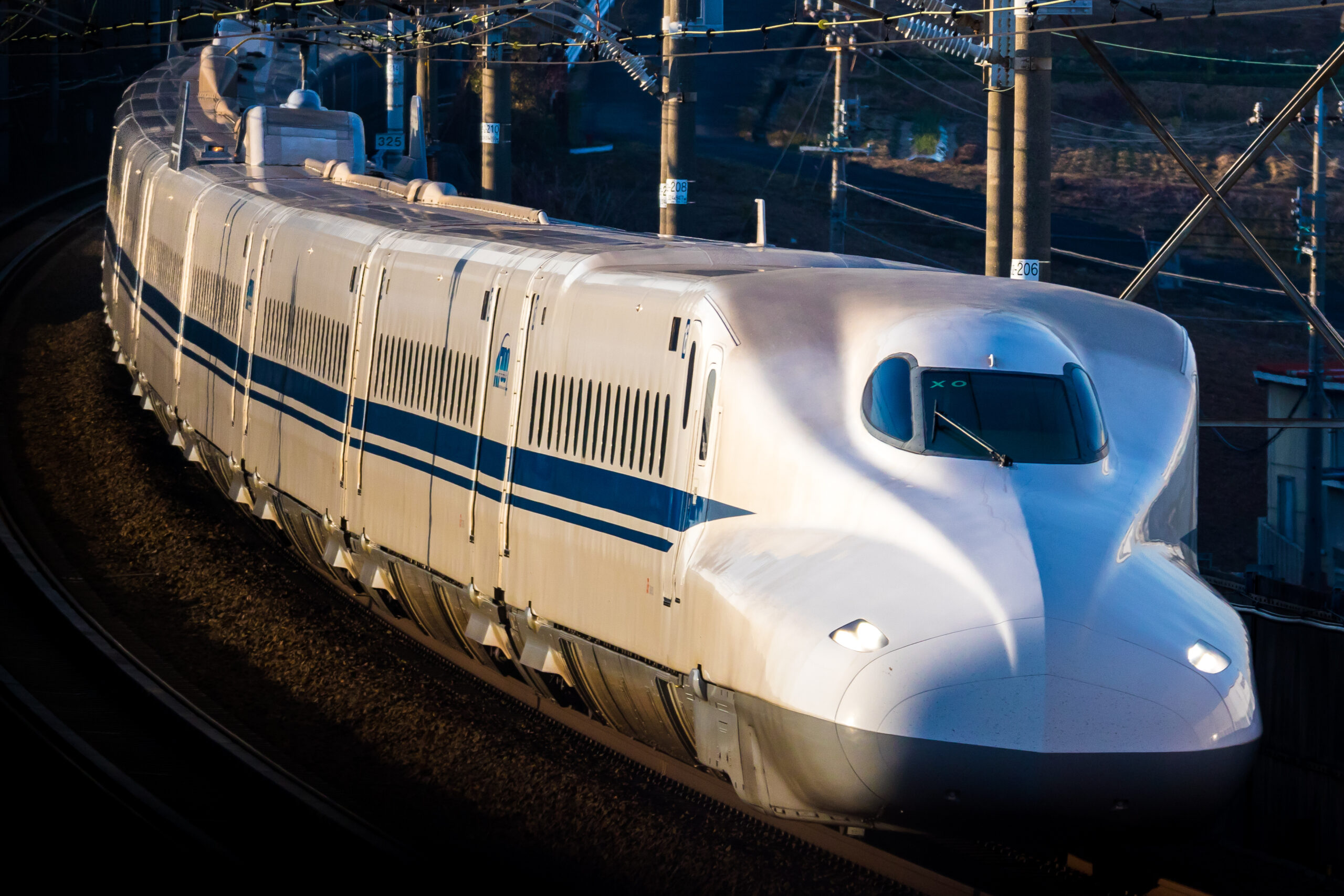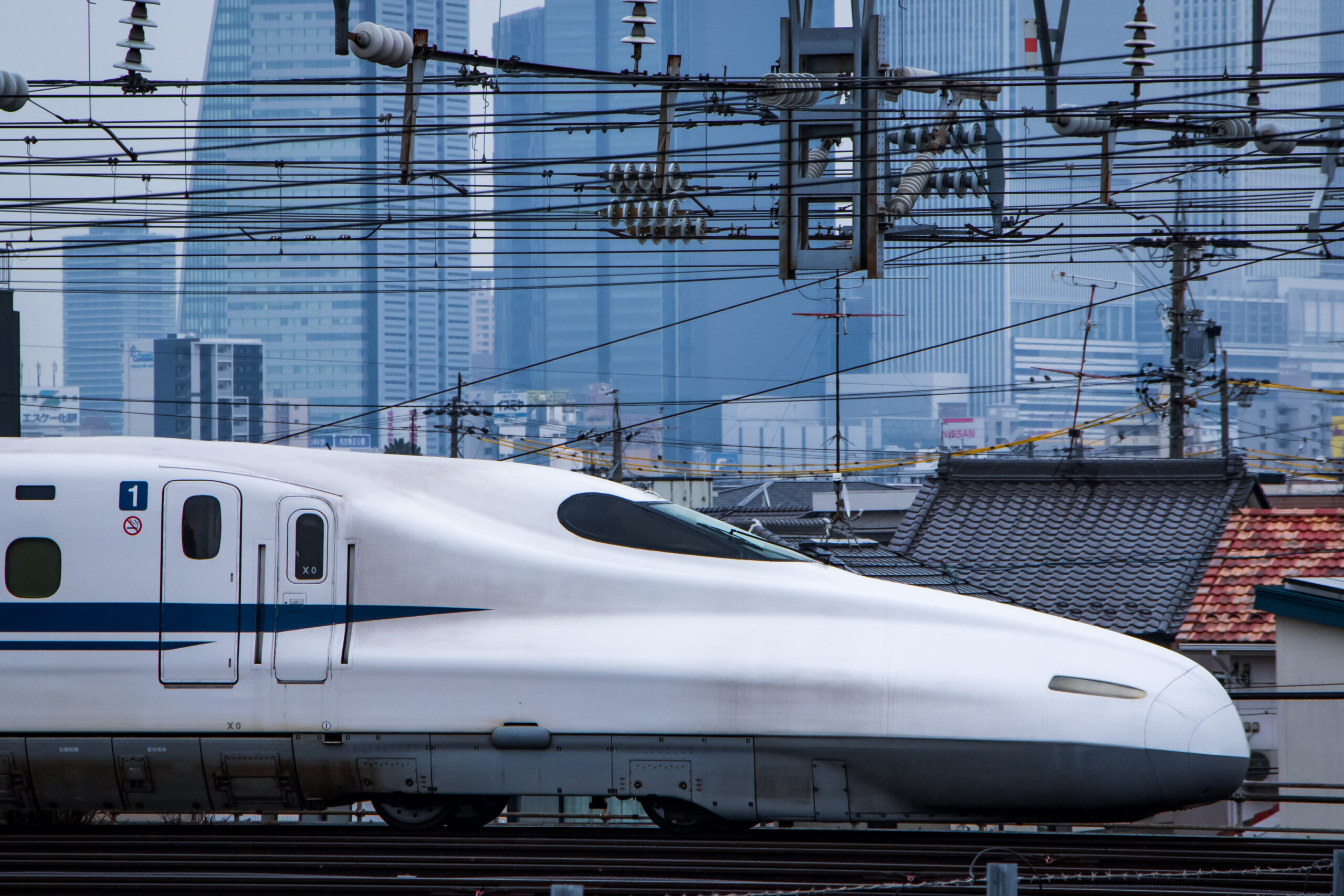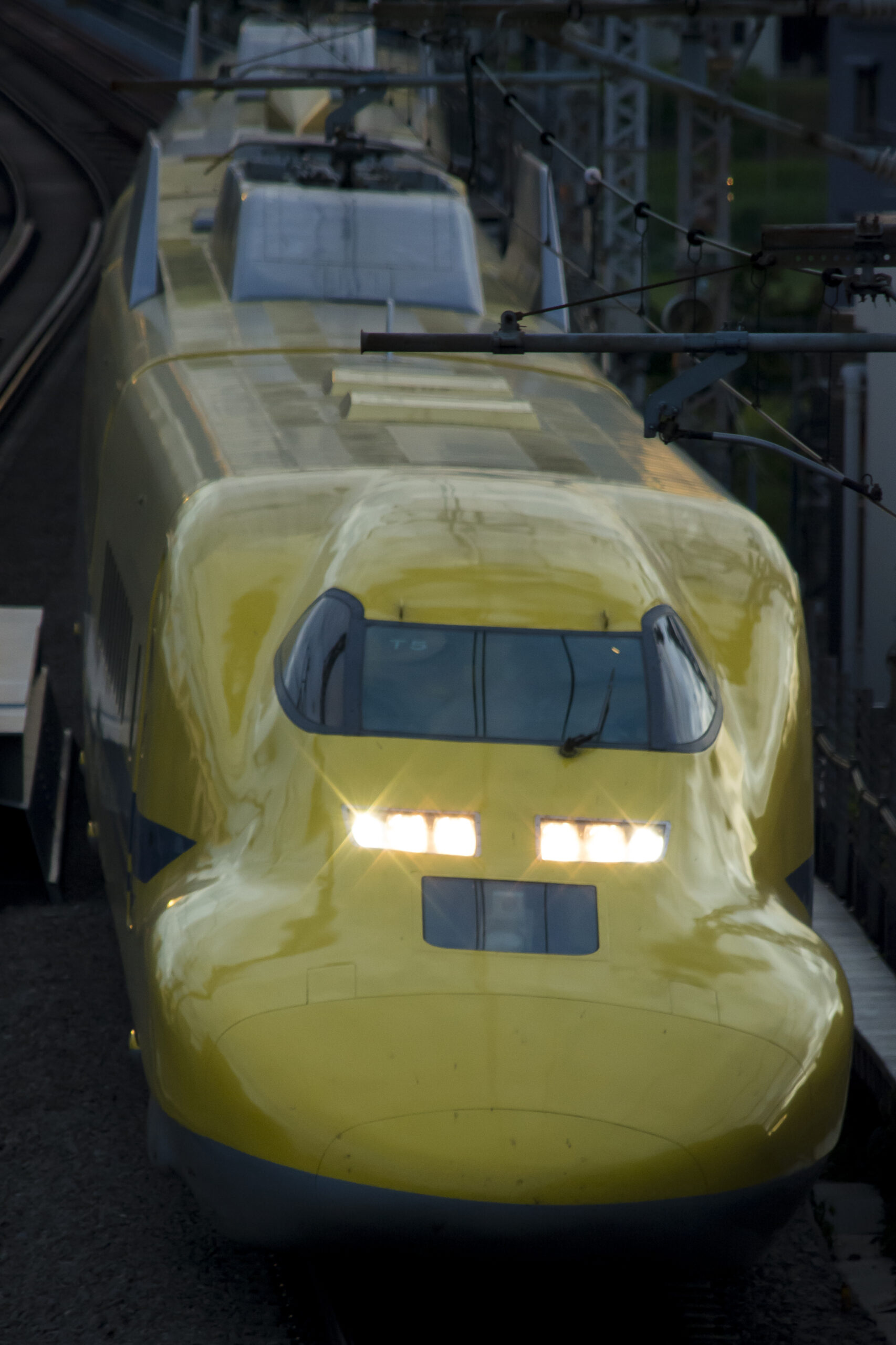
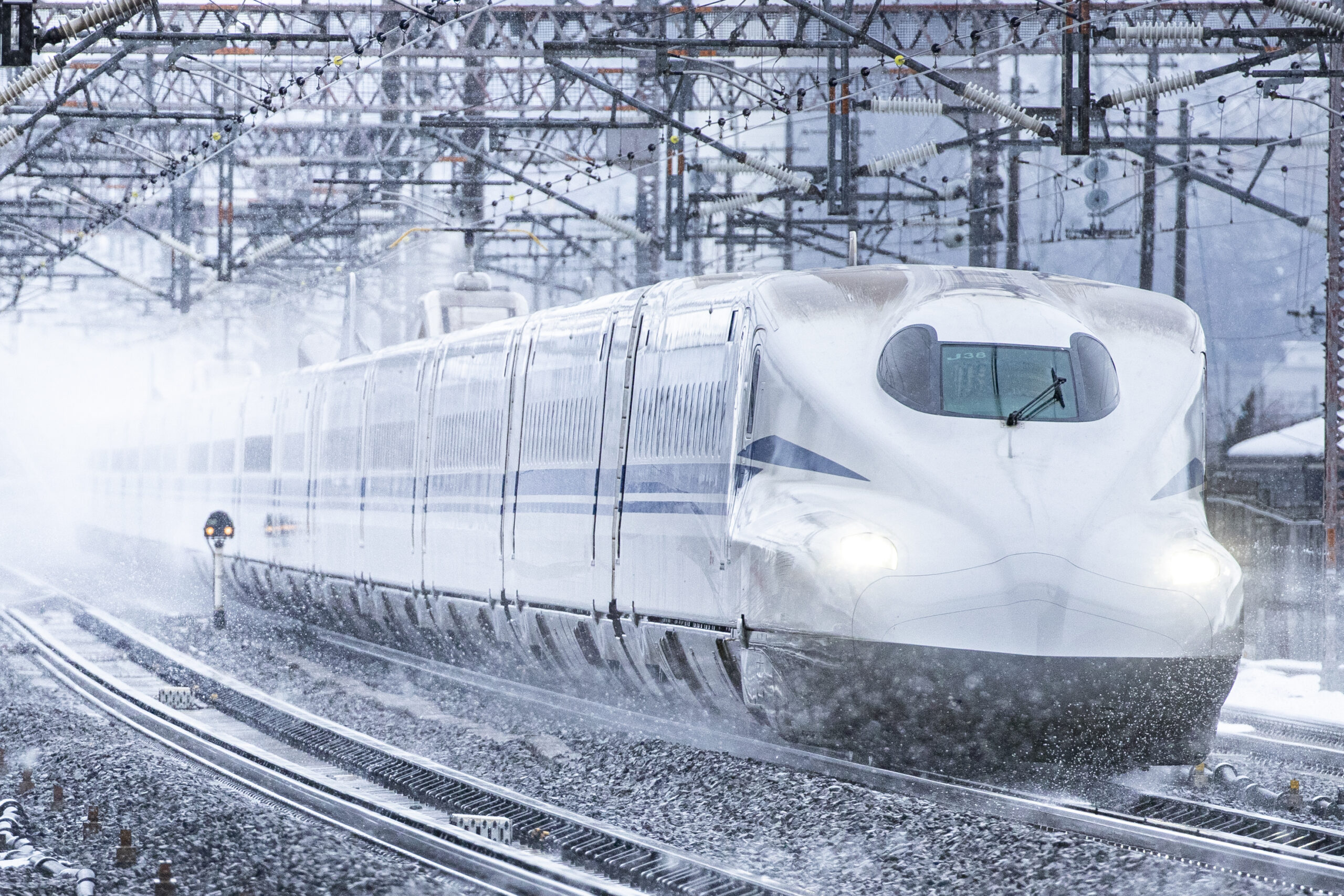
東海道新幹線は、東京・品川から名古屋・京都を経て新大阪に至る、日本初の新幹線として1964年に開業した高速鉄道。
全長約515kmの路線は、東海道本線と並行しながら東西を結び、開業当初から「夢の超特急」として日本の高度経済成長を支えてきた。
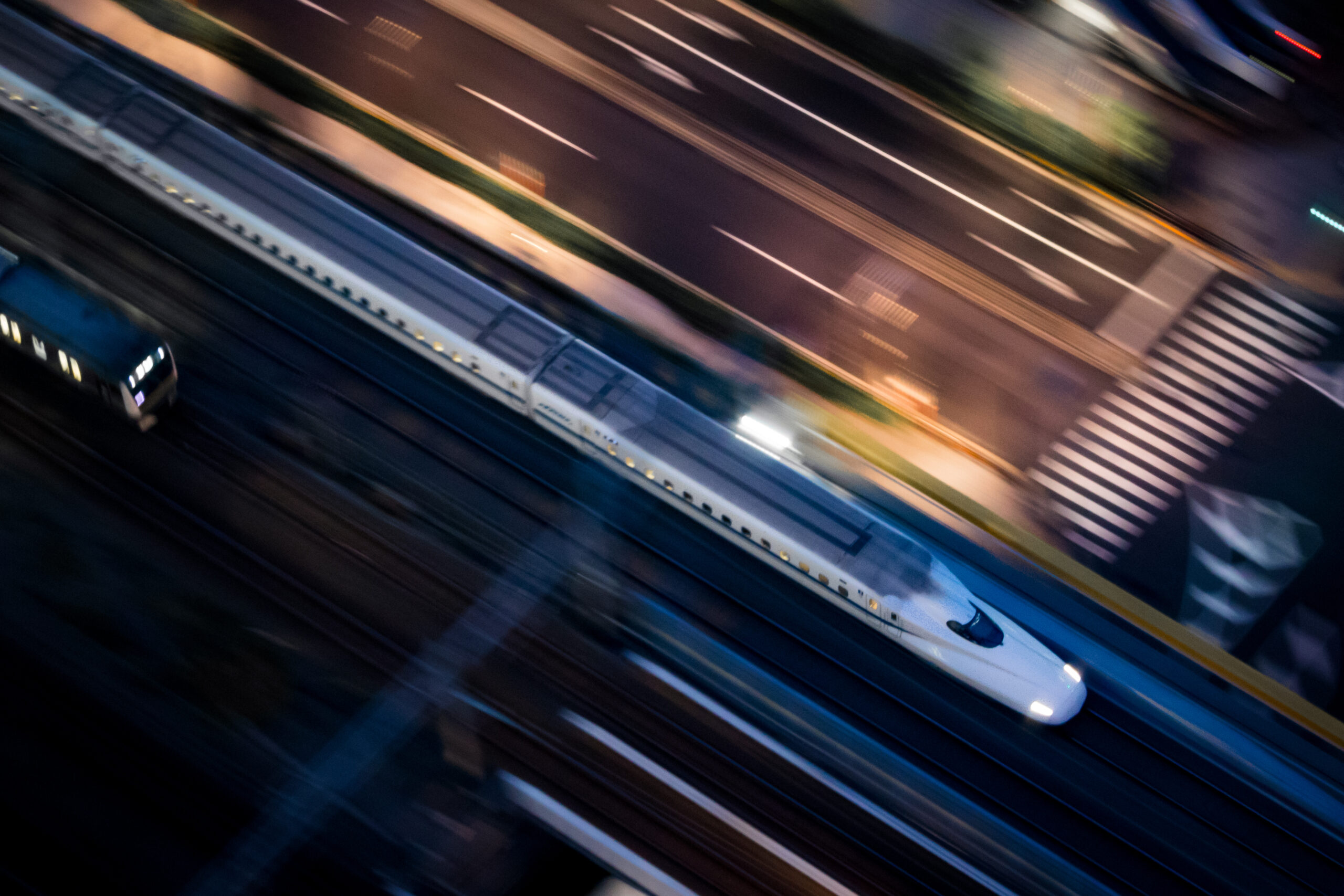
最高速度は現在285km/hで、「のぞみ」「ひかり」「こだま」の3種の列車が運行されている。
特に「のぞみ」は東京〜新大阪間を最短約2時間30分で結び、ビジネス・観光の両面で圧倒的な利便性を誇る。
地震対策や騒音対策、定時運行の徹底など、安全性と信頼性の高さでも世界的に評価されており、東海道新幹線は日本の高速鉄道技術の象徴ともいえる存在である。
現在も1日あたり約40万人が利用する、日本の大動脈としての役割を果たし続けている。
The Tokaido Shinkansen is Japan’s first high-speed railway, inaugurated in 1964. Stretching approximately 515 kilometers, it connects Tokyo and Shin-Osaka via Shinagawa, Nagoya, and Kyoto, running parallel to the Tokaido Main Line. Since its opening, it has supported Japan’s rapid economic growth as the “dream super express.”
Currently operating at a maximum speed of 285 km/h, the line offers three types of services: Nozomi, Hikari, and Kodama. Among them, the Nozomi connects Tokyo and Shin-Osaka in as little as 2 hours and 30 minutes, offering exceptional convenience for both business and leisure travelers.
Renowned worldwide for its safety and reliability, the Tokaido Shinkansen features advanced earthquake and noise countermeasures, as well as a commitment to punctuality. It stands as a symbol of Japan’s high-speed rail technology and continues to serve as a vital artery of the nation, carrying approximately 400,000 passengers daily.